Ørsted's Revolution Wind Project Achieves Full Commercial Operation Despite Trump Administration Obstacles

What's Happening?
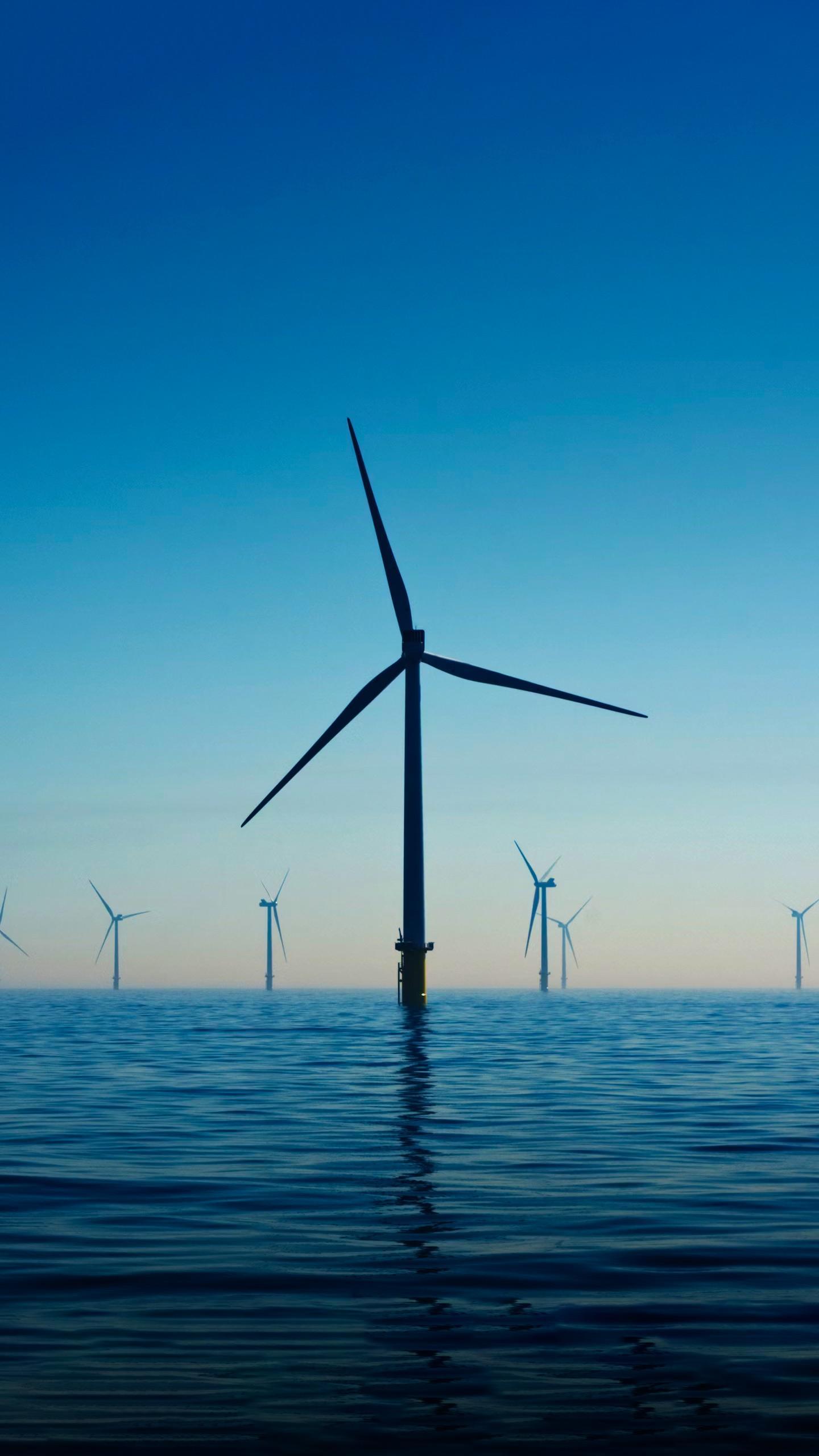
Ørsted's 704-megawatt Revolution Wind farm, a 50:50 partnership with Global Infrastructure Partners, has reached full commercial operation off the coast of Rhode Island. This milestone was announced by
Ørsted on Thursday, confirming that the project is now supplying power to Connecticut and Rhode Island. The project, which began construction in 2023, faced significant delays due to two stop-work orders issued by the Trump administration. These orders cited security risks, specifically concerns about interference with military radar, although a federal judge rejected these arguments and allowed work to continue. Despite the project's completion, the Trump administration continued its efforts to halt Revolution Wind, with attorneys for the Interior Department seeking to rescind prior approvals for the project's construction plan in October. This request remains pending before U.S. District Court Judge Royce C. Lamberth in Washington D.C., who has previously sided with developers against the administration. Revolution Wind's 65th and final turbine was installed in September, and the project is now generating at its full capacity.
Why It's Important?
The full commercial operation of the Revolution Wind project is a significant development for the U.S. renewable energy sector and the New England region. It provides a substantial new source of clean energy, capable of powering approximately 350,000 homes, at a time when demand for electricity is rising. For utility customers in Connecticut and Rhode Island, the project is expected to lead to annual savings of roughly $500 million starting in 2028, due to its competitive pricing compared to other energy sources. The successful completion of Revolution Wind, despite persistent opposition from the Trump administration, underscores the resilience of offshore wind developers and the legal system's role in upholding project approvals. This project's operational status also eases financial risks for companies like Eversource, which had set aside funds for potential obligations related to the project. The ongoing legal challenges, even after the project's completion, highlight the political complexities and regulatory hurdles that renewable energy initiatives can face in the U.S.
What's Next?
The legal battle surrounding Revolution Wind is not entirely over, as the Trump administration's request to rescind prior approvals for the project's construction plan remains pending before U.S. District Court Judge Royce C. Lamberth. While the project is fully operational, a ruling in favor of the administration could create uncertainty for future offshore wind developments. Ørsted is also continuing the development of its Sunrise Wind project, which is approximately 60% complete, indicating a continued commitment to expanding its U.S. offshore wind portfolio. The clarity provided by the midterm election results, which saw Democrats gain full control of Congress, is expected to create a more supportive political environment for the renewable energy industry, potentially easing future regulatory challenges. The success of Revolution Wind may serve as a precedent for other offshore wind projects that have faced similar opposition, demonstrating the viability and economic benefits of these large-scale renewable energy initiatives.
Beyond the Headlines
The Revolution Wind project's journey from conception to full operation reveals deeper implications regarding the intersection of energy policy, environmental goals, and political influence in the United States. The Trump administration's repeated attempts to obstruct the project, citing security concerns that were ultimately dismissed by a federal judge, highlight a broader ideological conflict over renewable energy development. This case exemplifies how political shifts can create significant headwinds for long-term infrastructure projects, even those with substantial economic and environmental benefits. The project's success, despite these challenges, could embolden other developers and states committed to transitioning to cleaner energy sources. It also underscores the critical role of the judiciary in safeguarding approved projects from politically motivated interventions. The long-term shift towards renewable energy, as evidenced by projects like Revolution Wind, suggests a gradual but persistent move away from traditional fossil fuels, with potential impacts on energy independence, job creation in green sectors, and the nation's overall carbon footprint.