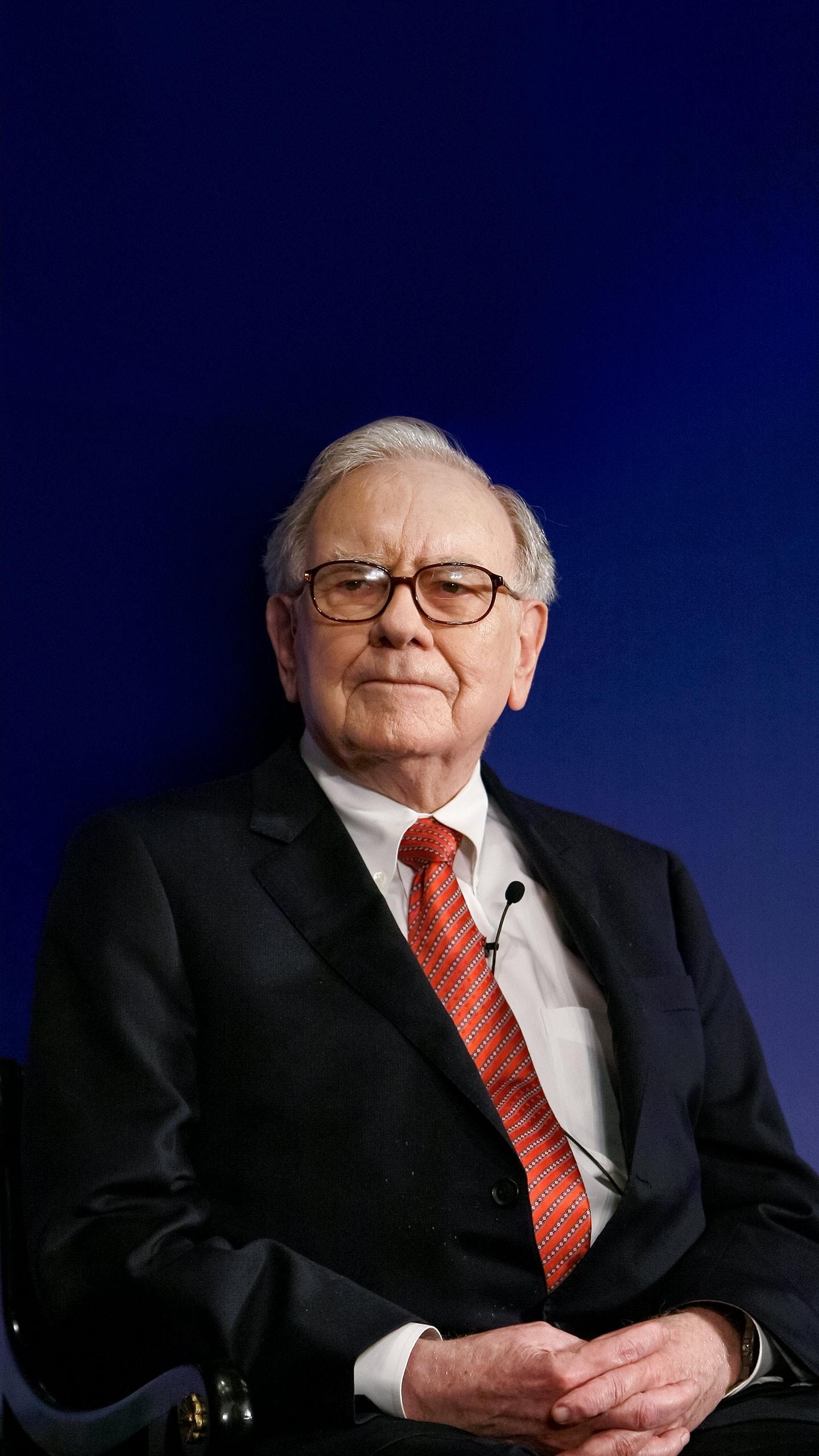
Warren Buffett and Charlie Munger Advocate for Index Funds in Personal Investment Strategies

What's Happening?
Warren Buffett and his late partner, Charlie Munger, have both expressed strong support for index funds, particularly for the average investor, despite Berkshire Hathaway not directly holding index funds.
Buffett's will specifies that his wife's trust should be invested 90% in index funds and 10% in U.S. treasuries. Munger, who was previously a critic of diversification, publicly reversed his stance, announcing that all Daily Journal employees' retirement investment choices were limited to index funds. This shift in perspective from two highly influential investors underscores their belief in the long-term benefits and wisdom of index fund investing, especially given the inherent volatility and change within individual companies and industries over time. They highlight the transient nature of corporate dominance, citing examples like the dramatic turnover in the top twenty corporations by market capitalization over a few decades and the high failure rate of early automobile companies.
Why It's Important?
The endorsement of index funds by figures as prominent as Warren Buffett and Charlie Munger carries significant weight in the investment world. Their recommendations can influence millions of individual investors and financial advisors, potentially leading to a greater allocation of capital into broad market index funds. This shift could democratize investing by promoting a simpler, lower-cost approach that historically outperforms many actively managed funds over the long term. For the U.S. financial industry, a widespread adoption of index fund investing could impact the business models of active fund managers and brokerage firms, potentially leading to lower fees and increased competition. It also reinforces the idea that even sophisticated investors recognize the challenges of consistently beating the market, making passive investing a prudent choice for wealth accumulation and retirement planning for a vast majority of the population.
What's Next?
The continued advocacy for index funds by influential figures like Buffett is likely to further solidify their position as a cornerstone of sound investment strategy, particularly for long-term savings and retirement. Financial education initiatives may increasingly highlight the benefits of index funds, potentially leading to a greater understanding and adoption among new investors. Investment platforms and robo-advisors are also likely to continue emphasizing index fund options due to their simplicity and cost-effectiveness. This trend could lead to a gradual but significant reallocation of investment capital from actively managed funds to passive index funds, potentially impacting the competitive landscape of the asset management industry. The philosophical underpinnings of their arguments, rooted in the inevitability of change and the difficulty of predicting future market leaders, will continue to be debated and analyzed by investors and academics alike.
Beyond the Headlines
The shift in perspective from Charlie Munger, a long-time proponent of concentrated investment, to advocating for index funds for ordinary investors, highlights a profound understanding of market evolution and the limitations of even the most astute individual stock-picking. This evolution in thought reflects a deeper philosophical insight into the 'Darwinian evolution' of businesses and industries, where even dominant companies can fade over time. It underscores the idea that while individual companies may rise and fall, the broader market, represented by an index, tends to persist and grow. This perspective offers a valuable lesson in humility for investors, suggesting that rather than trying to pick individual winners, a more reliable path to wealth creation lies in embracing the collective growth of the economy through diversified, low-cost index funds. It also touches upon the psychological aspect of investing, encouraging investors to accept change and avoid the emotional pitfalls of trying to outperform the market.