Federal Reserve Beige Book Reveals Two-Speed U.S. Farm Economy Amidst Drought and Strong Livestock Demand

What's Happening?
The Federal Reserve's latest Beige Book report indicates a bifurcated U.S. agricultural economy, with a strong livestock sector contrasting with a strained crop sector. While corn, soybean, and wheat markets
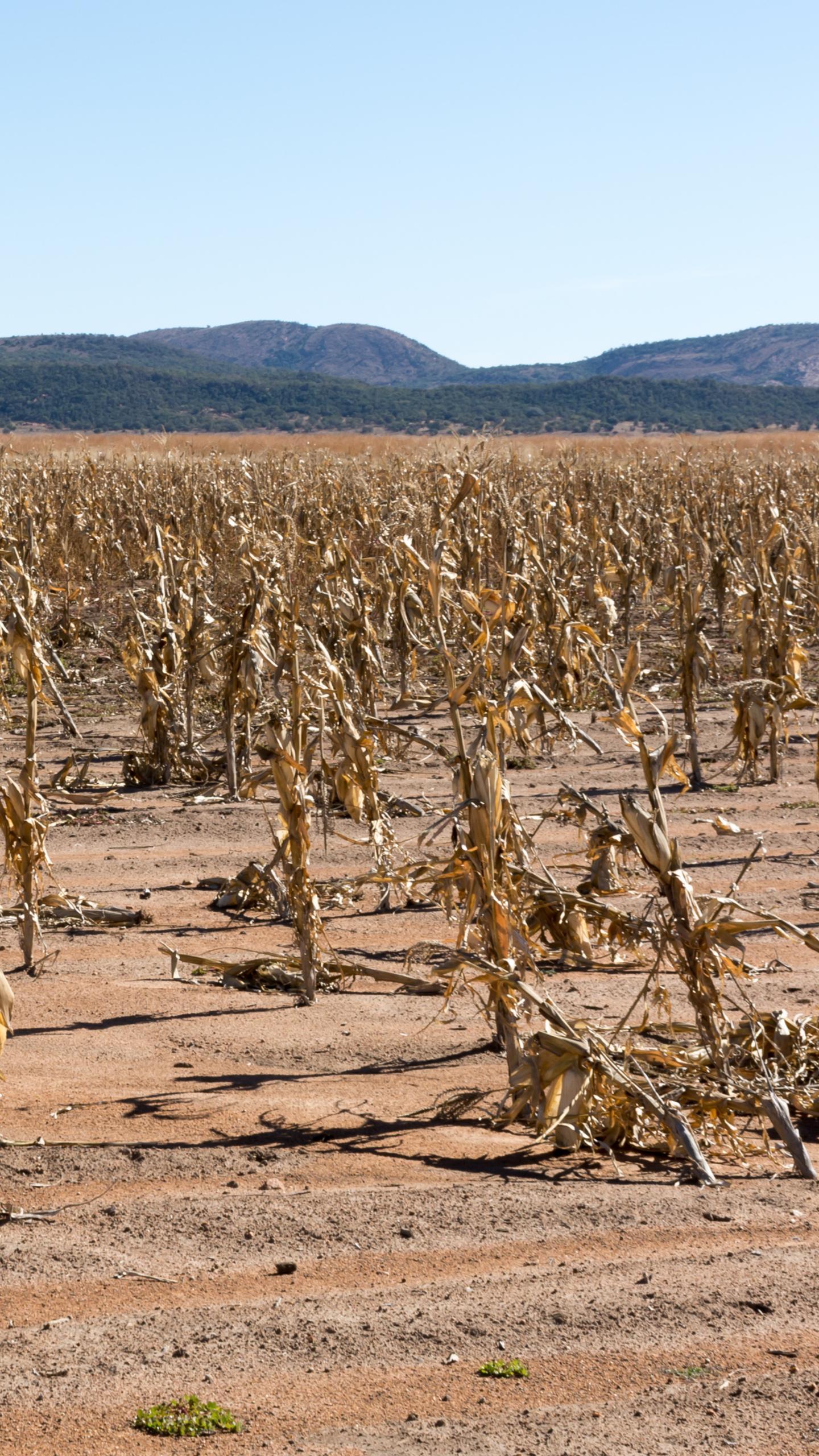
have seen price strengthening, lifting farmer expectations, the overall agricultural conditions remain challenged. Drought, particularly in the Plains and western Corn Belt, along with high fuel costs, fertilizer risks, elevated financing costs, and weak machinery demand, are tempering any gains. The report, based on information collected through August 24, highlights that while some areas like the central Corn Belt anticipate near-record yields, drought-stricken regions face lower production and weaker cash flow. Livestock, however, continues to be a bright spot, driven by robust consumer protein demand and high cattle prices, supporting profitable opportunities for producers and investment in processing capacity. The report also notes increased demand for biofuels, contributing to physical demand growth for corn and soybeans, suggesting a firmer commercial underpinning for recent crop market strength beyond speculative trading.
Why It's Important?
This two-speed farm economy has significant implications for various stakeholders across the U.S. agricultural sector. Livestock producers are experiencing a period of profitability and investment, which could lead to expansion and modernization within that segment. Conversely, crop farmers, especially those in drought-affected areas, face continued financial pressure, potentially leading to reduced investment, increased debt, and even farm consolidation. The uneven distribution of benefits from rising commodity prices means that while some farmers may see improved balance sheets, others will struggle to cover elevated input costs. This disparity could exacerbate regional economic inequalities within agricultural communities. Furthermore, the report's mention of tightening farm credit for crop producers signals potential challenges in securing financing for future planting seasons, which could impact overall agricultural output and food supply stability. The strong demand for biofuels also underscores the growing link between agricultural production and the energy sector, influencing commodity prices and land use.
What's Next?
Looking ahead, the U.S. agricultural sector will likely continue to navigate these divergent trends. Crop farmers will closely monitor weather patterns, particularly the potential for an El Niño pattern, which could bring much-needed rain to drought-stricken areas. The ongoing geopolitical situation, especially disruptions in the Black Sea region, will remain a critical factor influencing global wheat prices and, consequently, U.S. wheat exports. Stakeholders will also be watching for any shifts in input costs, particularly for fertilizer and fuel, which are anticipated to remain high or even increase into 2027. The Federal Reserve's observations on tightening farm credit suggest that lenders may become more selective, potentially impacting farmers' ability to secure operating loans for the upcoming planting season. Policy discussions may arise regarding support for drought-affected regions and strategies to mitigate the impact of high input costs on crop producers, while the livestock sector may see continued investment and expansion driven by consumer demand.
Beyond the Headlines
The Beige Book's findings point to deeper structural shifts within U.S. agriculture. The increasing regionalization of the farm economy, driven by localized weather patterns rather than national price trends, suggests a need for more tailored agricultural policies and risk management strategies. The explicit mention of geopolitical factors influencing wheat prices highlights the growing interconnectedness of global events and local farm economics, making U.S. farmers more susceptible to international conflicts. The report also subtly underscores the ongoing debate about the sustainability and resilience of current agricultural practices in the face of climate change and volatile input markets. The divergence between livestock and crop sectors could lead to long-term shifts in agricultural land use and investment priorities, potentially altering the landscape of rural economies. Furthermore, the cautious approach by farmers towards machinery purchases, focusing on repairs over upgrades, indicates a broader sentiment of uncertainty and a defensive posture, which could slow technological adoption and productivity growth in the crop sector.