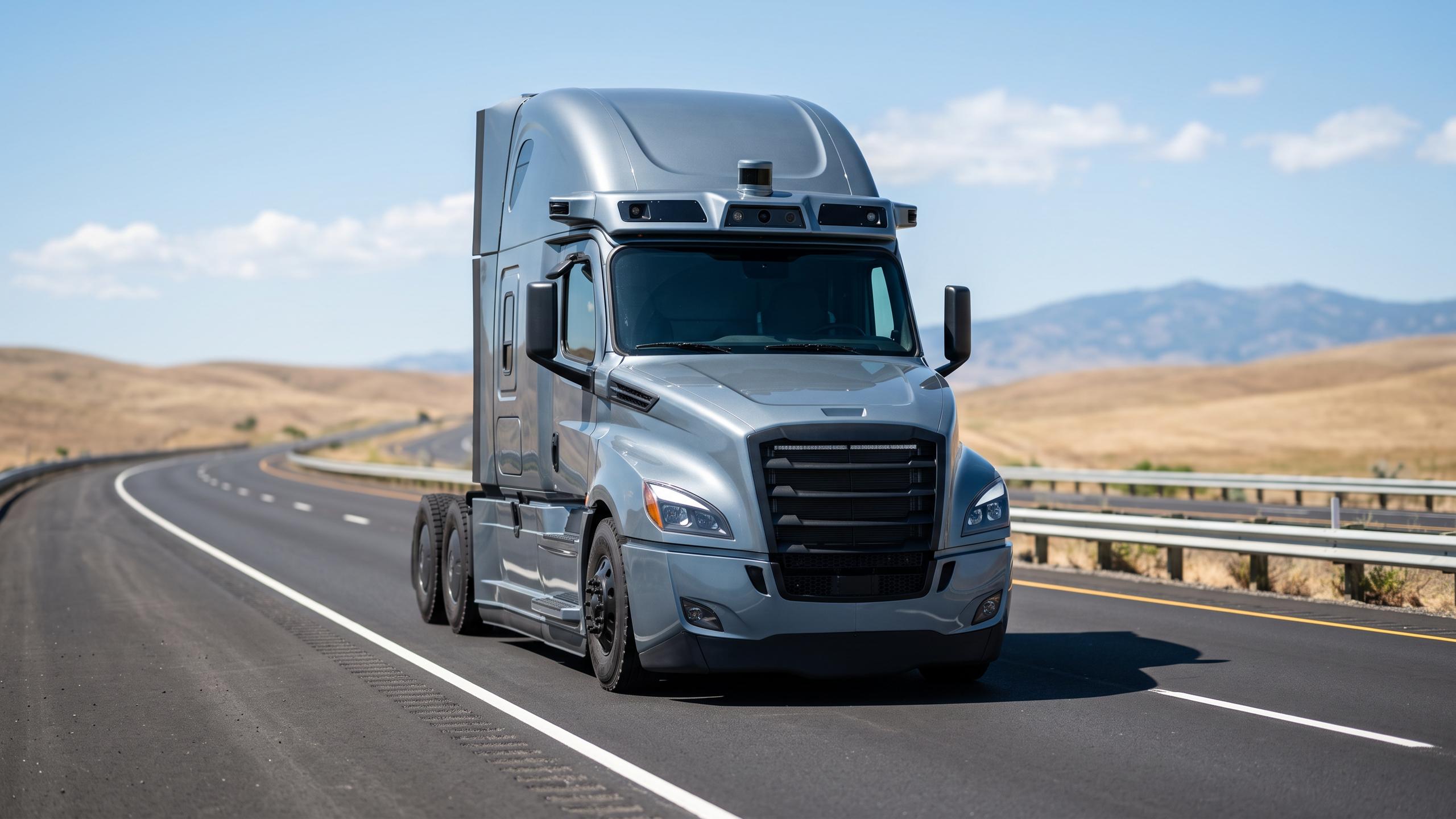
Stack AV Emerges as New Autonomous Trucking Company with Significant Funding

What's Happening?
Stack AV, a new company founded in 2023, has entered the autonomous trucking sector. Headquartered in Pittsburgh, PA, the company specializes in developing autonomous vehicle technology, trucking solutions,
and AI-powered transportation systems. Stack AV has secured substantial funding, raising $1.00 billion USD from investors, including SoftBank. The company currently employs 305 individuals, with a majority of its workforce based in Northern America. Its technological infrastructure utilizes a range of advanced tools and platforms, such as React, Linux, Kubernetes, TypeScript, CUDA, Airbrake, Persona, and Sumo Logic, indicating a robust approach to software development and system integration for its autonomous solutions. The company's focus is on creating reliable and efficient self-driving trucks to transform the logistics and transportation industries.
Why It's Important?
The emergence of Stack AV with significant financial backing underscores the growing investment and confidence in the autonomous trucking industry. This development is crucial for the U.S. transportation sector, which faces challenges related to driver shortages, operational efficiency, and safety. Autonomous trucking solutions, like those being developed by Stack AV, have the potential to revolutionize freight movement by reducing labor costs, improving fuel efficiency, and enhancing road safety through advanced AI and sensor technologies. The substantial funding received by Stack AV suggests that investors see a viable path to market and significant returns, potentially accelerating the deployment of self-driving trucks across the nation. This could lead to increased competition among autonomous vehicle developers and further innovation in the sector, ultimately benefiting logistics companies and consumers through more efficient supply chains.
What's Next?
Stack AV is expected to continue its development and testing phases for its autonomous trucking technology. With its substantial funding, the company will likely expand its research and development efforts, potentially increasing its workforce and operational footprint. The next steps will involve rigorous testing of its AI-powered transportation systems in various real-world scenarios to ensure safety and reliability. As the technology matures, Stack AV will likely seek partnerships with logistics companies and freight carriers to integrate its autonomous solutions into existing supply chains. Regulatory approvals and public acceptance will also be critical hurdles for the company to navigate as it moves towards commercial deployment. The company's progress will be closely watched by competitors and stakeholders in the transportation and technology sectors.
Beyond the Headlines
The rise of companies like Stack AV brings broader implications beyond just technological advancement. The widespread adoption of autonomous trucking could lead to significant shifts in the labor market, particularly for truck drivers, necessitating new training programs and job opportunities in areas like remote monitoring and maintenance of autonomous fleets. Ethical considerations surrounding AI decision-making in complex road scenarios, as well as legal frameworks for liability in accidents involving autonomous vehicles, will become increasingly prominent. Furthermore, the environmental impact of autonomous trucks, including potential reductions in emissions due to optimized driving patterns, could be substantial. Stack AV's success or challenges will offer valuable insights into the future of autonomous technology and its societal integration, influencing policy discussions and public perception of AI in critical infrastructure.