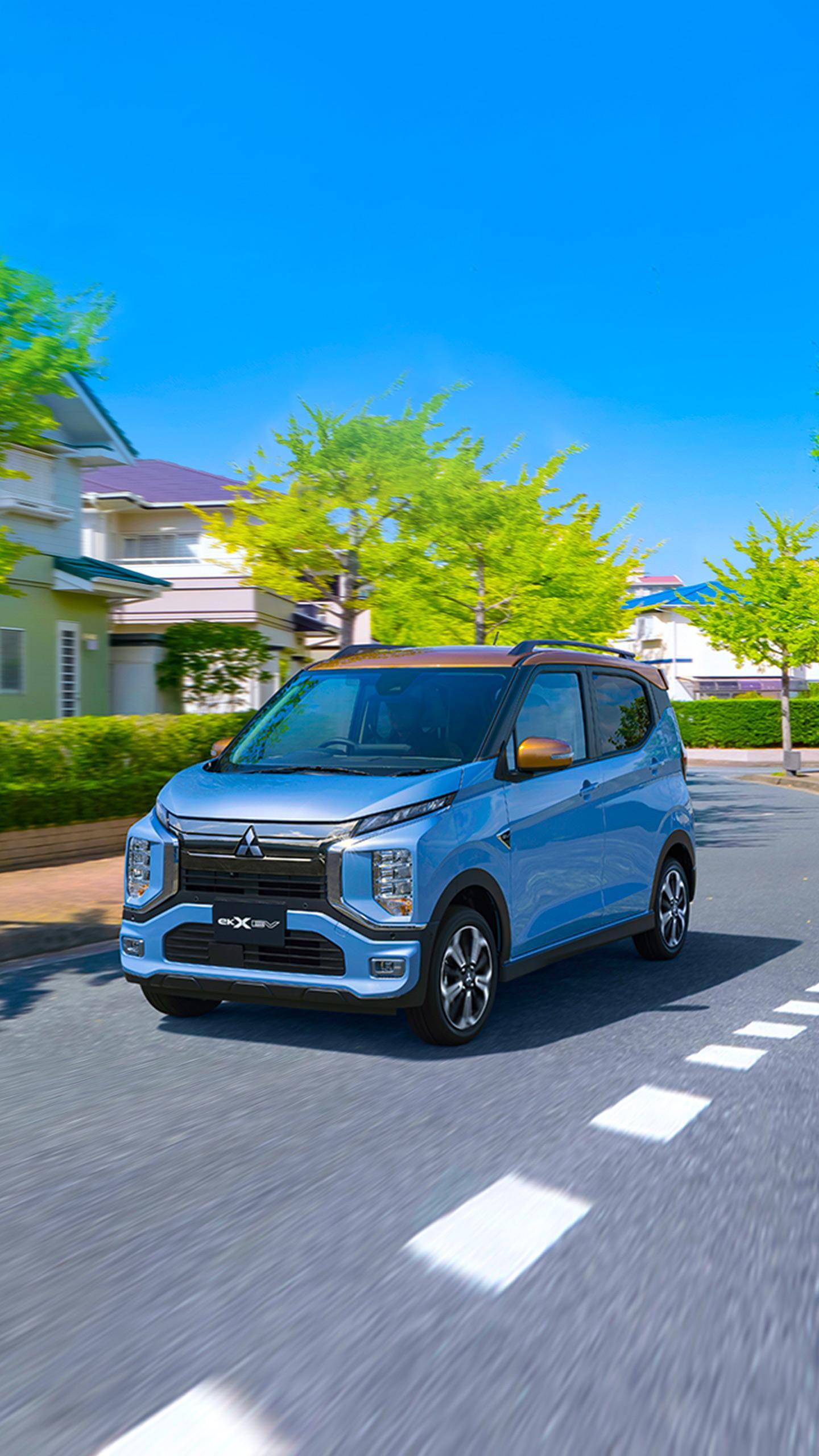
Honda and Nissan Pursue Joint Software Development for Future Vehicles, Mitsubishi Motors Included in Broader Partnership

What's Happening?
Honda and Nissan are reportedly nearing an agreement to jointly develop a shared operating system and onboard computer for their next-generation vehicles, with new models potentially arriving as early
as 2029. This collaboration aims to distribute the significant engineering costs associated with software-defined vehicles across both companies. While Honda stated that no deal has been finalized, describing discussions as covering 'potential areas of collaboration' under an existing strategic partnership, Nissan confirmed it is exploring various possibilities. Mitsubishi Motors, which has a capital tie-up with Nissan, is also part of this broader strategic partnership, though the software agreement primarily focuses on Honda and Nissan. This move follows the collapse of merger talks between Honda and Nissan over a year ago, which would have created a $60 billion automotive group, but failed due to a control dispute.
Why It's Important?
This potential agreement signifies a strategic shift in the automotive industry, where software development has become a critical and costly component of vehicle manufacturing. By sharing the engineering burden, Honda and Nissan can mitigate financial pressures and accelerate their transition to software-defined vehicles (SDVs). SDVs, much like smartphones, can update their capabilities through over-the-air code changes, moving away from fixed hardware. This collaboration could set a precedent for other automakers facing similar challenges, especially with the SDV market projected to grow significantly, from $213.5 billion in 2024 to $1.24 trillion by 2030. The move allows both companies to remain independent while still benefiting from shared technological advancements, contrasting sharply with their previous failed merger attempt.
What's Next?
An agreement between Honda and Nissan is expected to be finalized as early as Monday. Following this, the companies will likely begin the process of integrating their software development efforts to create a common operating system and onboard computer. This will involve significant coordination and resource allocation to ensure compatibility and efficiency. The first vehicles incorporating this shared technology are anticipated to launch by 2029. Stakeholders, including investors, suppliers, and consumers, will be closely watching the progress of this collaboration, as its success could influence future partnerships and technological advancements within the automotive sector. The involvement of Mitsubishi Motors in the broader strategic partnership suggests potential for further collaboration beyond the initial software agreement.
Beyond the Headlines
This collaboration highlights a deeper trend in the automotive industry: the increasing importance of software as a differentiator and a major cost driver. The shift towards SDVs means that automakers are moving from primarily selling hardware to offering software-enabled features, creating new revenue streams and business models. This also raises questions about data ownership, cybersecurity, and the long-term implications for vehicle customization and upgrades. The decision by Honda and Nissan to collaborate on software, rather than pursuing a full merger, indicates a preference for strategic alliances that preserve corporate independence while leveraging shared resources. This approach could become a blueprint for other industries facing high development costs and rapid technological evolution, emphasizing cooperation over consolidation.