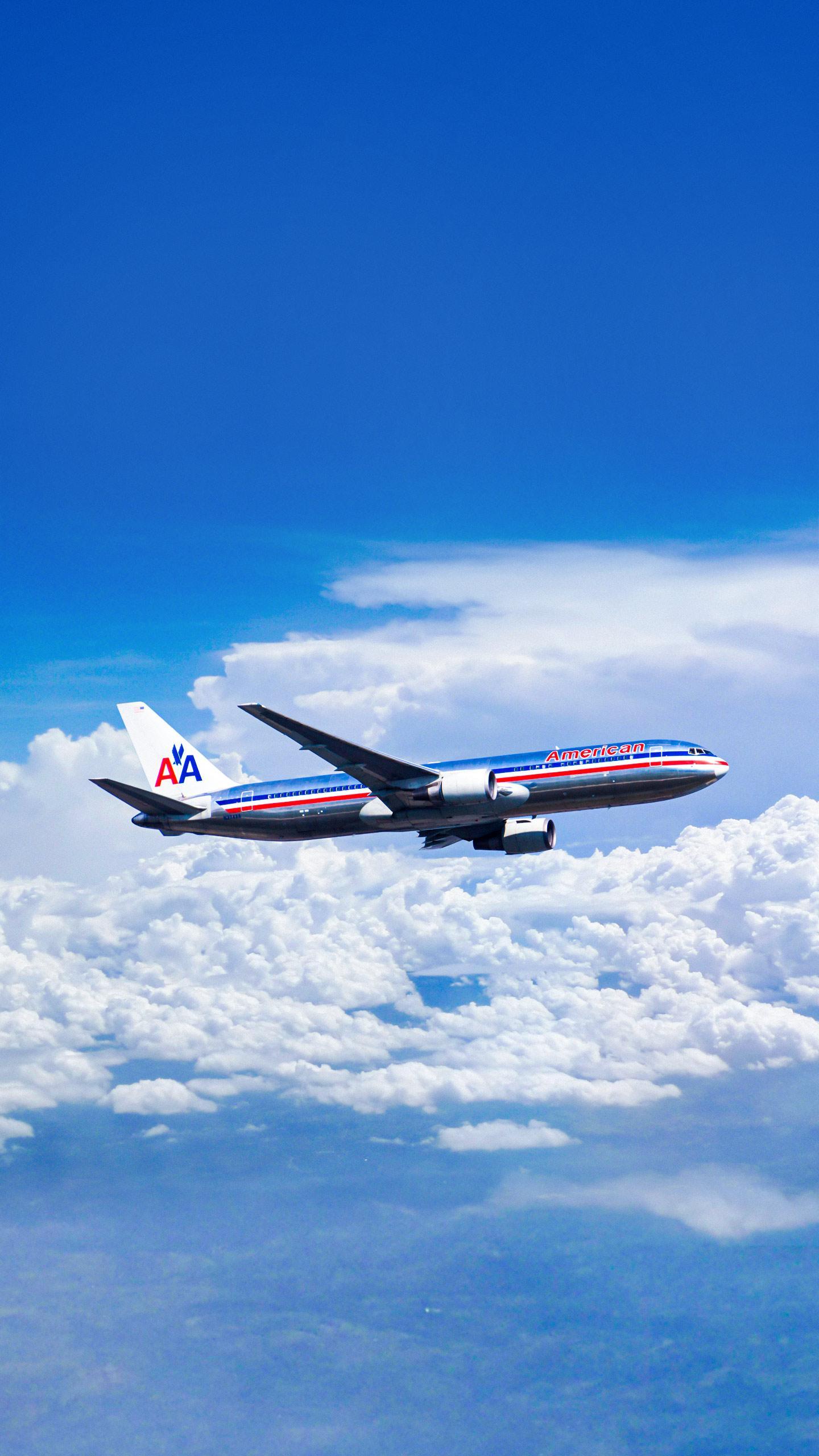
American Airlines Implements Higher Fares for Solo Travelers on Select Routes, Sparking Debate on Price Discrimination

What's Happening?
American Airlines is reportedly charging solo travelers significantly higher fares on up to one-third of its flights, a practice not observed on Delta, Alaska Airlines, or Southwest Airlines. For instance,
a one-way flight from Miami to Charlotte could cost a solo passenger $496, while the same main cabin ticket drops to $155 per person if booked for two. This pricing strategy, which also makes basic economy fares unavailable to solo travelers in some cases, was identified in a sample of 5,000 domestic nonstop one-way flights by Thrifty Traveler. The average fare difference on affected American Airlines flights exceeded $90, and over $64 on United Airlines, which also employs this strategy on about 10.6% of its flights. This practice is more prevalent on routes where American and United face no nonstop competition, particularly in American's Charlotte and Philadelphia markets. Airlines defend this as a form of price discrimination, aiming to charge different customers varying prices for the same seat based on their perceived willingness to pay.
Why It's Important?
This pricing model by American Airlines and United Airlines has significant implications for U.S. consumers and the airline industry. It represents a shift in how airlines segment their customer base, moving beyond traditional methods like advance purchase requirements and Saturday night stays. By using the number of passengers on a reservation as a proxy for travel intent, airlines can potentially extract more revenue from business travelers or those traveling alone for personal reasons, who may be less price-sensitive. Conversely, it offers a perceived 'discount' to leisure travelers or families who are typically more price-sensitive. This strategy could lead to increased frustration among solo travelers who feel penalized, and it highlights the opaque nature of airline pricing. The absence of this practice among other major U.S. carriers like Delta, Alaska, and Southwest suggests a competitive divergence that could influence booking behaviors and market share, especially in less competitive routes.
What's Next?
Travelers are advised to adjust their search strategies when booking flights. Instead of initially searching for one passenger, it is recommended to search with the actual number of travelers and compare total prices. Additionally, travelers might consider searching for one passenger and then for two or more to identify potential fare discrepancies. While some might consider booking two tickets and canceling one as a workaround, American Airlines' published instructions indicate that remaining tickets on multi-passenger fares would be repriced. This suggests that such workarounds may not be effective. The ongoing debate around this pricing strategy could lead to increased scrutiny from consumer advocacy groups or regulatory bodies, potentially prompting airlines to be more transparent about their fare rules. The competitive landscape may also evolve, with other airlines potentially adopting or rejecting similar pricing models based on market response and competitive pressures.
Beyond the Headlines
The practice of charging solo travelers more, while framed by airlines as a 'family or couples discount,' raises ethical questions about fairness and transparency in pricing. It leverages behavioral economics, specifically price discrimination, to maximize revenue by charging each customer as close as possible to their maximum willingness to pay. This approach can create a perception of unfairness, especially for individuals who must travel alone due to circumstances like funerals or business trips, and who may not have the option to 'bring a companion' to access lower fares. The lack of clear communication about these fare rules means many travelers are unaware of why they are paying more, leading to a sense of being exploited. This trend could contribute to a broader erosion of trust between consumers and airlines, particularly as air travel becomes increasingly essential for many. It also underscores the power dynamics in markets with limited competition, where airlines can implement complex pricing structures that benefit their bottom line at the expense of individual consumer choice and perceived equity.