U.S. Postal Service Faces Financial Crisis, Potentially Impacting Rural Homeowners

What's Happening?
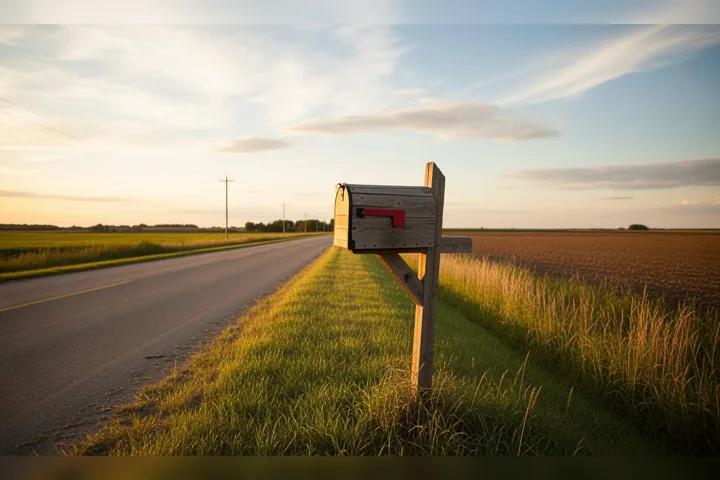
The U.S. Postal Service (USPS) is facing a severe financial crisis, with Postmaster General David Steiner warning that without congressional intervention, the agency could run out of cash within a year. The USPS has reported net losses of $118 billion since 2007, primarily due to a decline in first-class mail usage. The service is funded through stamps and service fees, not tax dollars, and without legislative action, service cuts and slowdowns are likely. This situation poses significant challenges for rural homeowners, who rely heavily on mail services for essential deliveries such as prescription medications, legal documents, and bills. In rural areas, where homeownership rates are higher and internet access is limited, the potential reduction in USPS services could have a profound impact.
Why It's Important?
The financial instability of the USPS could have widespread implications, particularly for rural communities in the U.S. where mail services are crucial. Older residents in these areas, who often depend on mail for essential services, could face significant disruptions. The potential reduction in mail services could also affect property values in rural areas, as reliable mail service is a key factor in determining the accessibility and desirability of a location. Furthermore, small businesses that rely on USPS for shipping and receiving goods may experience delays, impacting their operations and customer satisfaction. The situation underscores the need for congressional action to ensure the continuity of this vital service.
What's Next?
The future of the USPS largely depends on congressional intervention. If lawmakers do not act, the USPS may be forced to implement service cuts, including reduced delivery days and post office closures in low-volume areas. This could exacerbate the challenges faced by rural communities and small businesses. Stakeholders, including rural homeowners, small business owners, and local governments, may need to advocate for legislative solutions to prevent service disruptions. Additionally, there may be increased pressure on private carriers to fill the gap left by potential USPS service reductions, although they may not be able to replicate the comprehensive services provided by the USPS.
Beyond the Headlines
The potential decline of the USPS highlights broader issues of infrastructure and service provision in rural America. The USPS has historically served as a community anchor, providing not only mail services but also informal welfare checks for elderly residents. The loss of such services could lead to increased isolation for vulnerable populations. Moreover, the situation raises questions about the sustainability of self-funded public services and the role of government in ensuring equitable access to essential services across diverse geographic regions.
AI Generated Content
For the benefit of users - Parts of this article may include content generated using AI tools. Our teams are making active and commercially reasonable efforts to moderate all AI generated content. Our moderation processes are improving however our processes are carried out on a best-effort basis and may not be exhaustive in nature. We encourage our users to consume the content judiciously and rely on their own research for accuracy of facts. We maintain that all AI generated content on our platform is for entertainment purposes only. To know more about how we use AI, you can write to us at
Close AI Generated Content