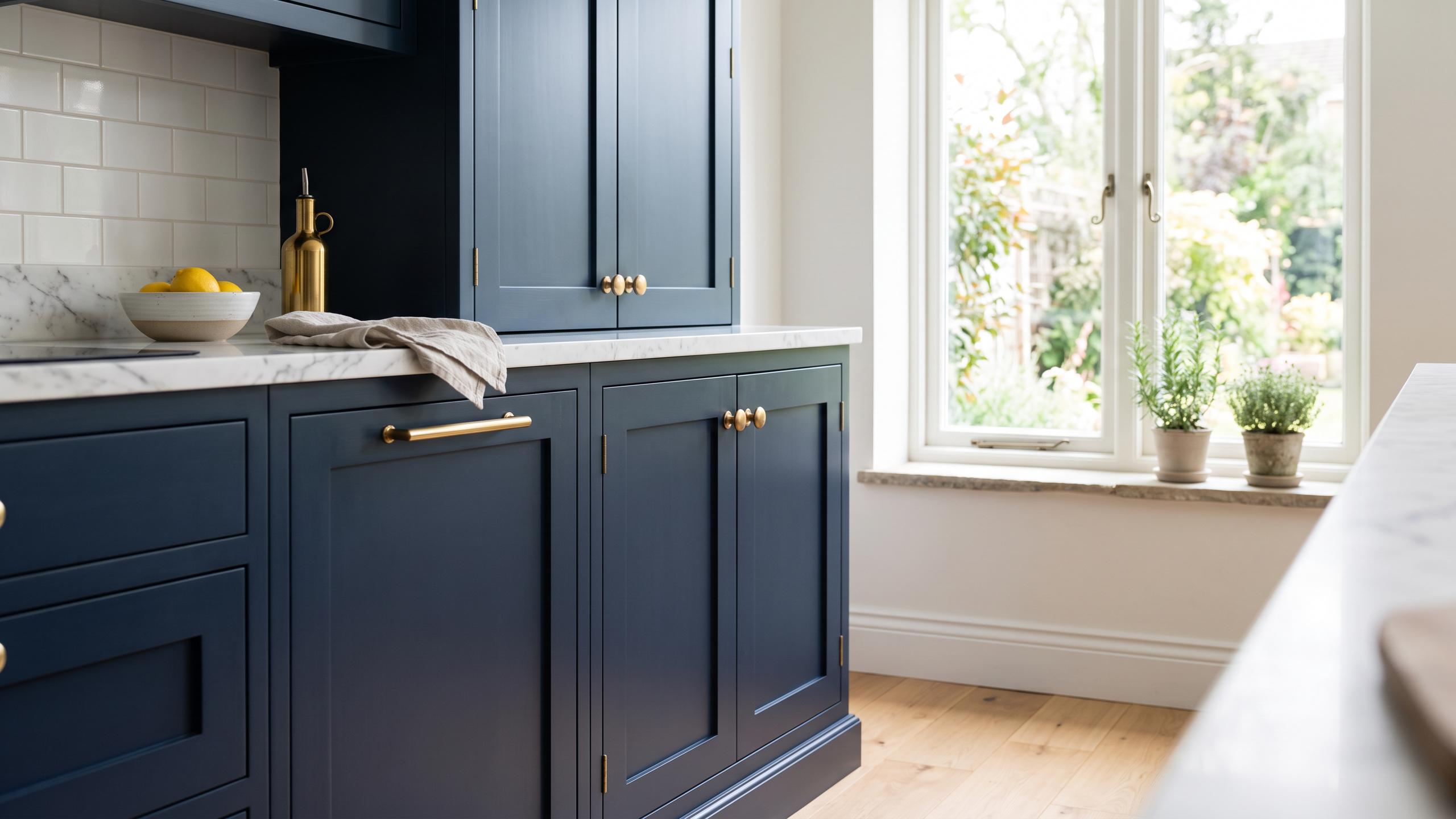
Scheduled Tariff Hike on Imported Kitchen Cabinets and Vanities to 50% by January 2027

What's Happening?
On January 1, 2027, the tariff on imported kitchen cabinets and bathroom vanities is slated to double from 25% to 50%. This increase stems from Proclamation 10976, signed on September 29, 2025, under Section
232 of the Trade Expansion Act of 1962, which initially imposed a 25% duty starting October 14, 2025. The scheduled increase to 50% for January 1, 2026, was postponed by one year via Proclamation 11000 on December 31, 2025, maintaining the 25% rate through 2026. The tariff applies to goods when they clear customs, not when ordered, and covers parts imported for use in cabinets and vanities. While the Supreme Court ruled in February 2026 against tariffs imposed under the International Emergency Economic Powers Act, this specific cabinet tariff, based on national security grounds under Section 232, was not affected by that ruling. Imports from certain regions like the UK, EU, Japan, South Korea, and Taiwan have capped rates, and countries reaching agreements with the U.S. may be exempt from the 50% rate.
Why It's Important?
This impending tariff increase holds significant implications for U.S. consumers and the home improvement industry. A 50% tariff, while not directly translating to a 50% increase in retail prices, will substantially raise the cost of imported cabinets and vanities at the border. This additional cost is likely to be passed on to consumers, impacting the budgets of those planning kitchen or bathroom remodels. The tariff also affects U.S. manufacturers who use imported components, as duties apply to these parts. This could lead to higher prices for domestically assembled cabinets as well. The policy aims to protect domestic manufacturers, but it also creates an affordability challenge for consumers and potentially reduces competition in the market. The timing of the increase, coinciding with the design window for many spring remodeling projects, necessitates careful planning for both consumers and suppliers to mitigate financial impacts.
What's Next?
Consumers planning kitchen or bathroom remodels in late 2026 or early 2027 should be aware of the January 1, 2027, tariff increase. It is advisable to inquire with suppliers about the origin of cabinets and components and to obtain written quotes that reflect prices if goods clear customs after the tariff hike. The decision to order before January 1, 2027, or to continue designing, depends on the project's stage and the supplier's ability to guarantee pricing. The possibility of the increase being delayed again or cancelled exists, as Proclamation 11000 previously postponed it, and countries reaching agreements with the U.S. may be exempt. However, industry groups representing domestic manufacturers are advocating for the increase, while others, like the National Association of Home Builders, oppose tariffs that raise housing costs. This ongoing tension suggests continued debate and potential adjustments to the policy.
Beyond the Headlines
The tariff on kitchen cabinets and vanities highlights the complexities of trade policy and its ripple effects across various sectors. While framed under national security, the economic impact is felt directly by consumers and businesses. The distinction between tariffs imposed under different acts (International Emergency Economic Powers Act vs. Section 232) underscores the nuanced legal landscape of trade regulations. This situation also brings to light the 'assembled in USA' versus 'made entirely from US parts' debate, as imported components can still incur duties, complicating the sourcing decisions for manufacturers. The rise in domestic producer prices for cabinets and countertops, even for U.S.-made products, suggests that tariffs on imports can create an environment where domestic producers also raise prices, further impacting consumer affordability. This dynamic illustrates how protectionist measures can have broader, sometimes unintended, consequences on an entire industry's pricing structure.