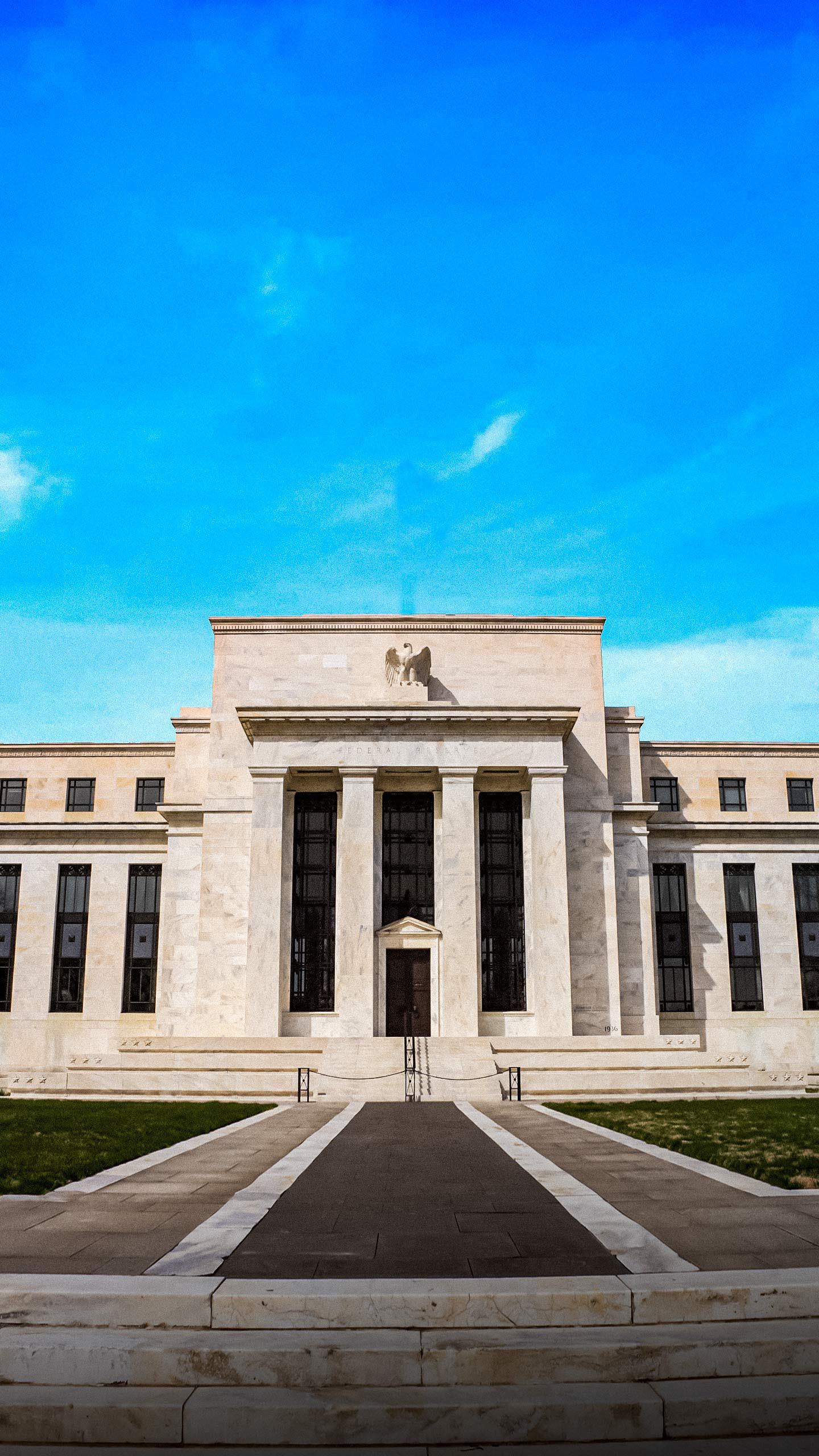
Federal Reserve Under Chair Kevin Warsh Maintains Hawkish Stance Amid Persistent Inflation

What's Happening?
The Federal Reserve, led by Chair Kevin Warsh, is maintaining a hawkish posture as the U.S. economy grapples with persistent inflation. Consumer price pressures remain above 3.5%, largely driven by elevated
energy prices stemming from geopolitical tensions in the Middle East and disruptions in the Strait of Hormuz. This stance comes as Dow Jones Industrial Average futures face a critical juncture, with December E-mini contracts settling at 50,821 after a recent rebound. The market is currently testing whether this rally has sufficient fundamental backing to overcome overhead resistance or if macroeconomic headwinds will trigger further declines. Traders are closely monitoring interest rate expectations in anticipation of the Federal Reserve's upcoming December policy meeting. Despite a widening U.S. trade deficit, which has raised concerns about fourth-quarter GDP growth, the Cboe Volatility Index (VIX) hovering near 24 indicates lingering institutional caution across various sectors.
Why It's Important?
The Federal Reserve's hawkish stance under Chair Kevin Warsh signals a continued commitment to combating inflation, which has significant implications for U.S. financial markets and the broader economy. Businesses and consumers face the prospect of higher borrowing costs if the Fed continues to raise interest rates, potentially impacting investment, spending, and economic growth. The ongoing tug-of-war between resilient corporate earnings and sticky inflation creates uncertainty for investors, as evidenced by the volatility in Dow futures. A sustained hawkish approach could strengthen the U.S. dollar, affecting international trade and the competitiveness of American exports. Furthermore, the Fed's decisions directly influence the cost of capital for corporations, potentially impacting hiring, expansion plans, and overall corporate profitability. The market's ability to absorb these pressures will be crucial for determining the trajectory of the U.S. economy in the coming months.
What's Next?
As the Federal Reserve's December policy meeting approaches, market participants will be keenly focused on any signals regarding future interest rate adjustments. Traders are calibrating their expectations, and any indication of a shift in the Fed's hawkish posture could trigger significant market movements. Technical analysts are watching key levels for the Dow, with a decisive daily close above 51,050 required to signal a broader bullish reversal. Conversely, a breach below the 50,340 support level could invalidate the recent bounce and reopen downside risks. The ongoing geopolitical tensions and their impact on energy prices will also remain a critical factor influencing inflation and, consequently, the Fed's policy decisions. Businesses will be adjusting their financial strategies in anticipation of potential interest rate changes, while consumers may face continued pressure from elevated prices and borrowing costs.
Beyond the Headlines
The Federal Reserve's sustained hawkish stance under Chair Kevin Warsh highlights a broader challenge in balancing economic growth with price stability. The current environment, characterized by persistent inflation driven by external factors like geopolitical events, complicates the Fed's traditional tools for managing the economy. This situation could lead to a prolonged period of higher interest rates, potentially reshaping investment landscapes and consumer behavior. The emphasis on combating inflation, even at the risk of slower economic growth, underscores the Fed's commitment to its mandate of price stability. This approach could also influence global monetary policy, as other central banks may follow suit to manage their own inflationary pressures. The long-term implications include a potential re-evaluation of supply chain resilience and energy independence to mitigate future inflationary shocks stemming from international conflicts.