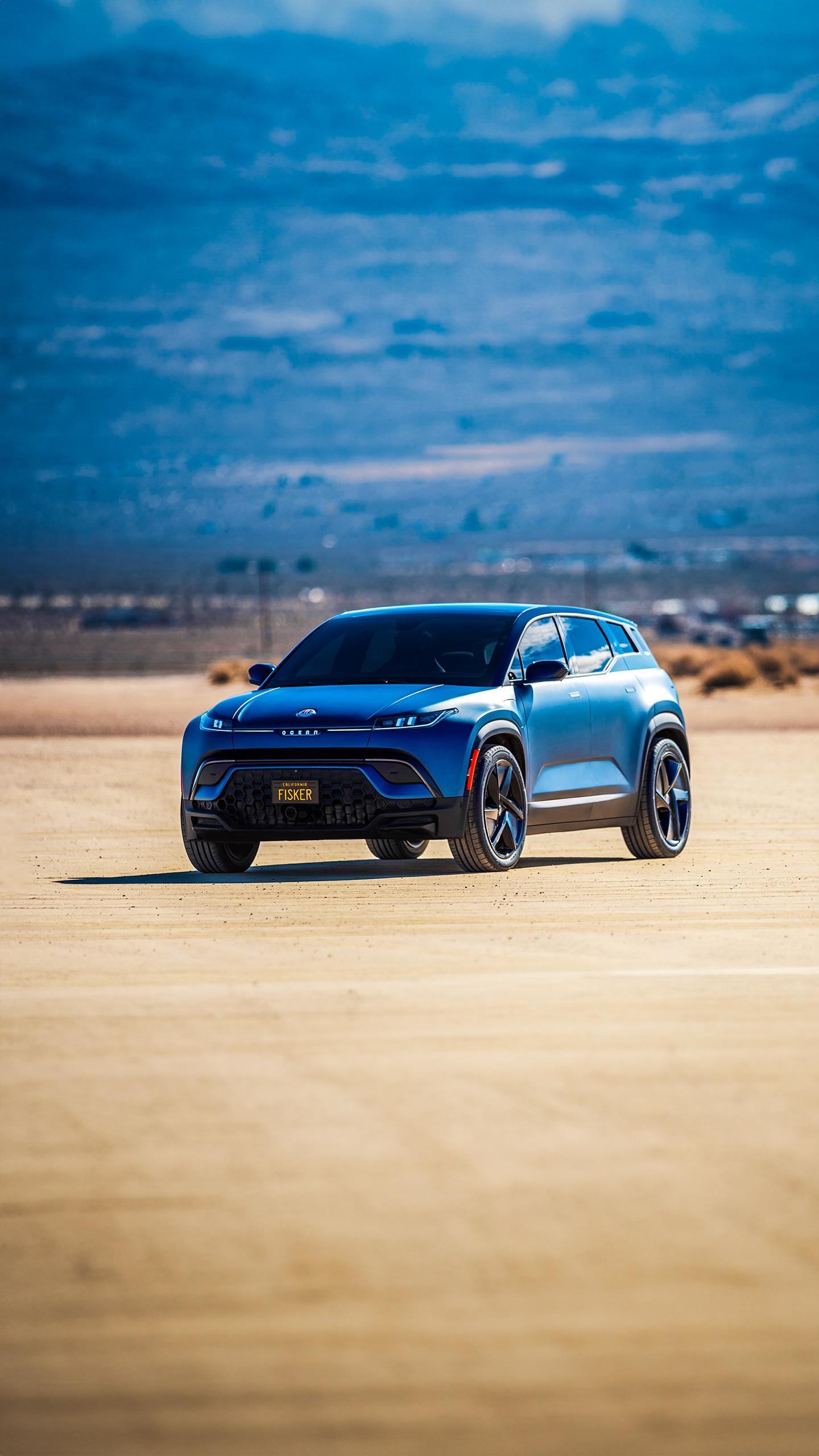
Fisker Inc., U.S. Electric Vehicle Manufacturer, Files for Bankruptcy Amid Financial Struggles

What's Happening?
Fisker Inc., an American electric vehicle automaker founded by Henrik Fisker and Geeta Gupta, has filed for bankruptcy after experiencing significant financial difficulties. The company had ambitious plans,
including the development of affordable models like the Pear, the Alaska pickup, and the high-performance Ronin. However, its primary offering, the Ocean SUV, despite being competitive with vehicles like the Tesla Model Y, ultimately could not prevent the company's collapse. Approximately 10,000 Fisker Ocean SUVs were delivered before the bankruptcy filing. These vehicles are now appearing on the second-hand market at significantly reduced prices, with some models being sold for less than half their original cost, even below the price of a new Volkswagen ID.3. The company is categorized as a startup scaling in the luxury electric vehicle market, focusing on lifestyle-oriented electric SUVs.
Why It's Important?
The bankruptcy of Fisker Inc. highlights the volatile and challenging landscape for new entrants in the U.S. electric vehicle market. Despite innovative designs and competitive offerings, achieving sustainable production and sales remains a formidable hurdle, even for companies with significant initial investment and a clear market niche. This event underscores the intense competition from established automakers and other EV giants, as well as the capital-intensive nature of the automotive industry. For consumers, the availability of nearly new Fisker Ocean vehicles at drastically reduced prices presents both an opportunity for a luxury EV at a lower cost and a significant risk due to the company's bankruptcy, which could impact warranty support, parts availability, and service infrastructure. This situation could also make investors more cautious about funding other EV startups, potentially slowing innovation in the sector.
What's Next?
The immediate future for Fisker Ocean owners is uncertain, particularly regarding long-term support and maintenance. With the company in bankruptcy, access to proprietary diagnostic software and qualified repair facilities may become increasingly limited, as indicated by reports from Fisker owner associations in other countries. The influx of used Fisker Oceans into the market at low prices could further depress resale values for existing owners and potentially affect the broader used EV market. For the electric vehicle industry, Fisker's bankruptcy serves as a cautionary tale, emphasizing the need for robust financial planning, efficient production scaling, and comprehensive after-sales support to succeed in a highly competitive environment. The fate of Fisker's other planned models, such as the Pear and Alaska, remains unclear following the bankruptcy.
Beyond the Headlines
Fisker Inc.'s trajectory from a promising startup to bankruptcy reflects a broader trend in the automotive industry where innovation alone is insufficient for success. The challenges extend beyond vehicle design and performance to include complex supply chain management, manufacturing scalability, and the establishment of a reliable service network. The rapid depreciation of Fisker Ocean vehicles on the secondary market also brings to light the potential financial risks for early adopters of new EV brands, especially those without the backing of a large, diversified automotive group. This situation could influence consumer confidence in emerging EV manufacturers and lead to a preference for more established brands, even if their offerings are less innovative. The case of Fisker Inc. will likely be studied as a critical example of the difficulties faced by startups attempting to disrupt a mature and capital-intensive industry.