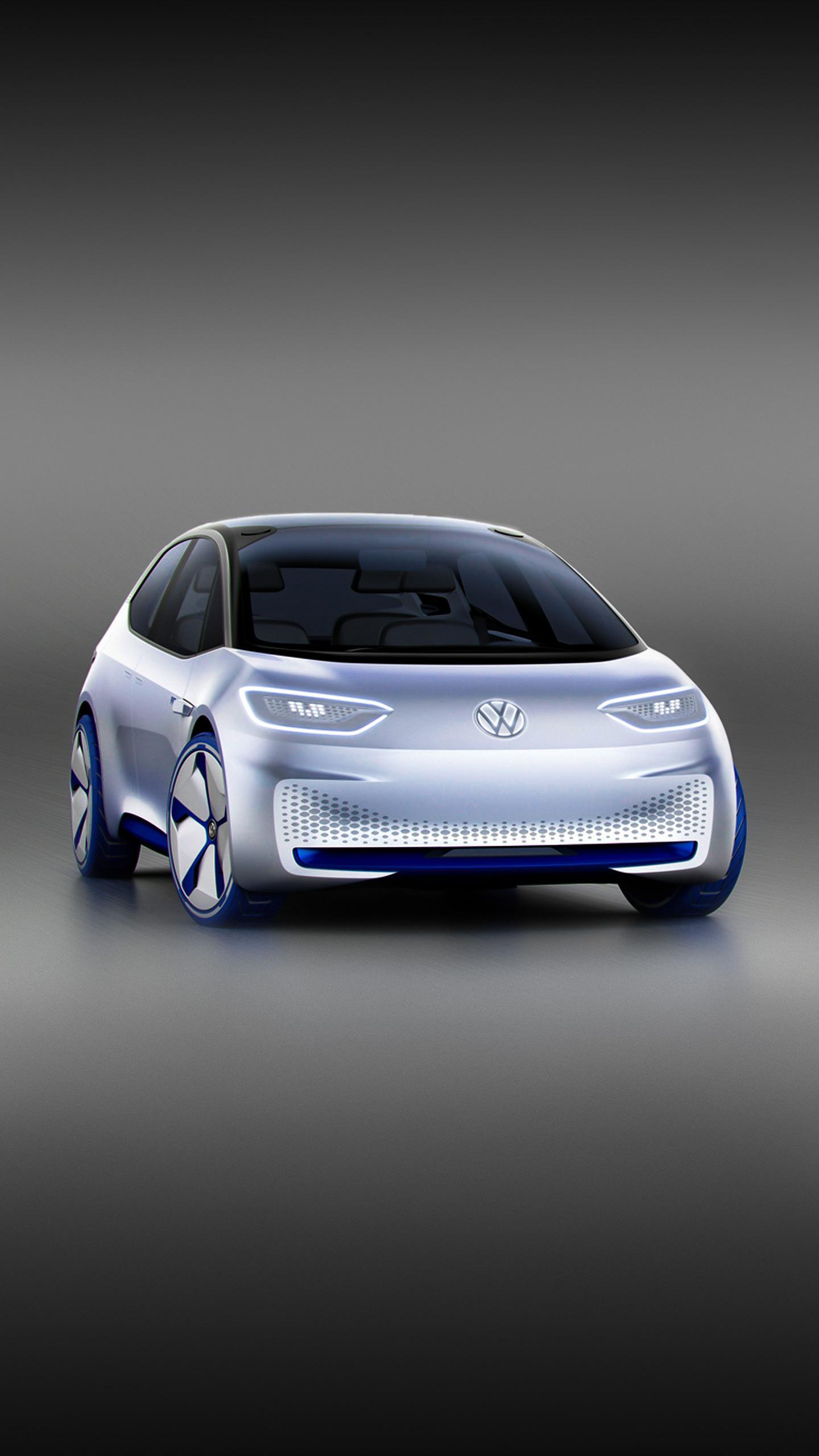
Volkswagen Group China to Become Global Export and Tech Hub, Exporting China-Developed Technology and Vehicles

What's Happening?
Volkswagen Group is transforming its operations in China into a global development and export hub. The company plans to introduce China-developed technologies to international markets and aims to export at least
300,000 vehicles annually from China by 2030. This strategic shift, termed 'In China, Beyond China,' signifies an evolution from merely serving the Chinese market to leveraging China's research and development capabilities for global business support. At its first Tech Day in China, Volkswagen unveiled VEGA, a domestically developed technology stack comprising vehicle platforms, electronic architecture, and advanced driver-assistance systems. Volkswagen Group CEO Oliver Blume stated that China is a crucial innovation engine and an increasingly important product and tech hub for the company's global markets. The company has already begun exporting China-produced Volkswagen and Jetta models to regions including the Middle East, Uzbekistan, Kazakhstan, and sub-Saharan Africa, with plans to expand to Mexico, Egypt, and Vietnam by the end of 2026, and more markets in Southeast Asia, South America, and Africa in subsequent years.
Why It's Important?
This strategic pivot by Volkswagen Group holds significant implications for the global automotive industry and international trade dynamics. By establishing China as a central hub for technology development and vehicle exports, Volkswagen is not only enhancing its competitive edge in the world's largest auto market but also leveraging Chinese innovation to bolster its global product offerings. This move could accelerate the adoption of China-developed automotive technologies in various international markets, potentially influencing global standards and consumer expectations for vehicle features and performance. For the U.S. market, while direct exports of these specific China-produced models to the U.S. are not explicitly mentioned, the broader strategy indicates a shift in global automotive supply chains and technological leadership. U.S. consumers and manufacturers might indirectly benefit from or be impacted by the advancements in vehicle technology originating from Volkswagen's Chinese R&D efforts, especially in areas like electric vehicles and advanced driver-assistance systems. This also highlights the growing influence of China as a source of automotive innovation, potentially leading to increased competition and collaboration opportunities for U.S. automotive companies.
What's Next?
Volkswagen plans to localize its Compact Main Platform (CMP) and China Electronic Architecture (CEA) in South America by 2030, marking the first region outside China to adopt these technologies. The VEGA tech stack, which includes the Hyper Sense 8 advanced driver-assistance system, will be integral to future vehicle offerings. The CEA, developed in 18 months, supports both electric and combustion-engine vehicles and enables major over-the-air software updates every three months. It has already been deployed in five China-produced electric models in 2026, with plans to equip China-produced PHEV and ICE models in 2027. The Hyper Sense 8 system will be fitted to seven new NEV models from Volkswagen's Chinese joint ventures, with more to follow. Volkswagen aims to be ready for Level 3 automated-driving technology by 2027 and is developing a system-on-chip for Level 4 applications in China. The company intends to introduce 30 China-developed new energy vehicle models by the end of 2027 and over 50 new products by 2030, further solidifying its commitment to leveraging Chinese innovation for global markets.
Beyond the Headlines
This strategic shift by Volkswagen Group underscores a broader trend of multinational corporations decentralizing their innovation hubs and increasingly relying on regional strengths for global competitiveness. The 'In China, Beyond China' strategy reflects a recognition of China's rapid advancements in automotive technology, particularly in electric vehicles and intelligent driving systems. This could lead to a more diversified global automotive landscape where technological leadership is not solely concentrated in traditional automotive powerhouses. Ethically, this move raises questions about intellectual property transfer and the potential for technology diffusion across different geopolitical spheres. Legally, it could necessitate new international agreements and standards for vehicle technology and data sharing. Culturally, the integration of China-developed technologies into global markets may influence consumer preferences and expectations, potentially leading to a convergence of automotive design and functionality across different regions. This long-term shift could reshape global supply chains, foster new collaborations, and intensify competition in the automotive sector, with significant implications for U.S. manufacturers and consumers.