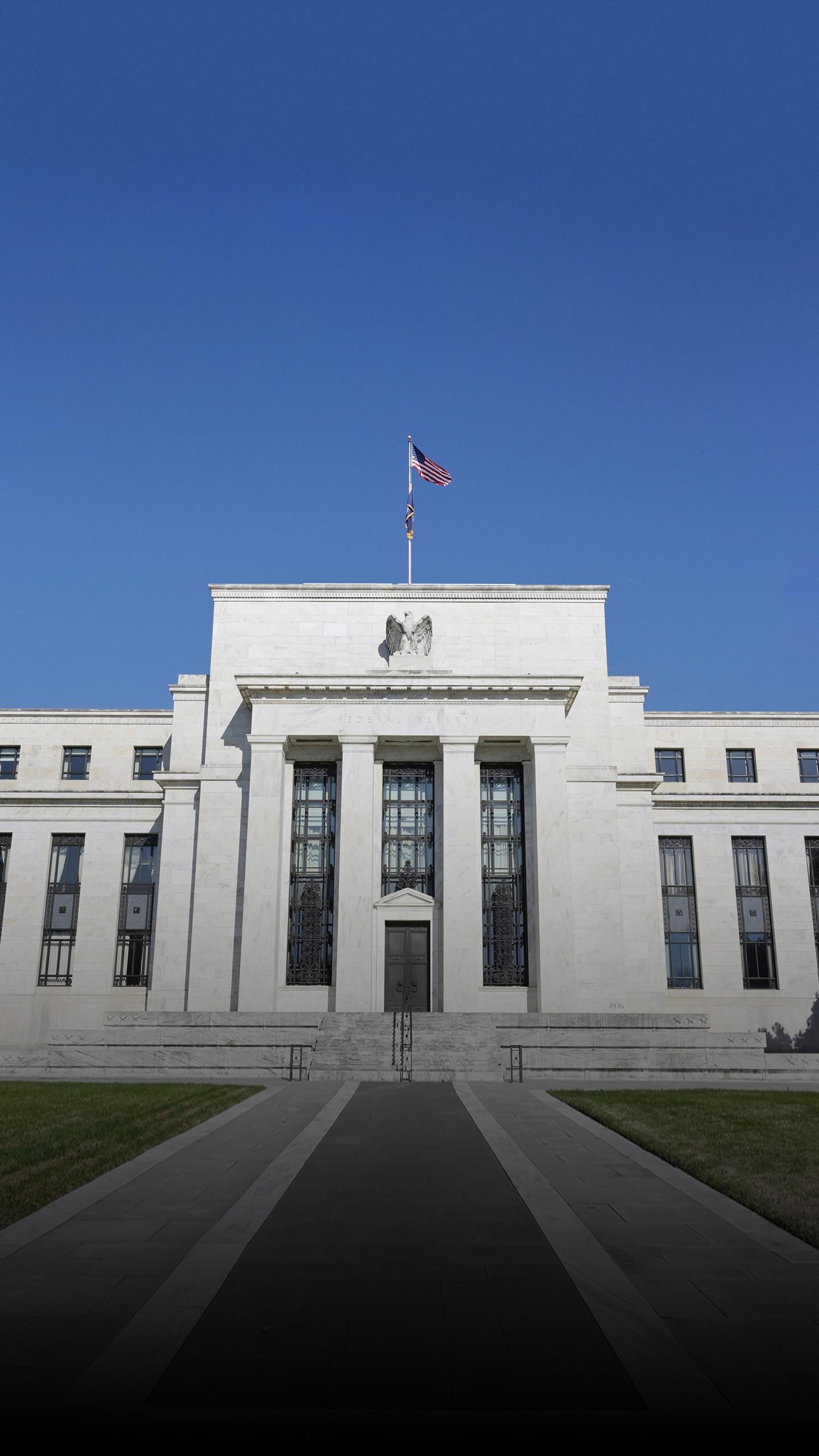
Federal Reserve Maintains Interest Rate Target Amidst Dissenting Votes in October 2026 Meeting

What's Happening?
The Federal Open Market Committee (FOMC) maintained its target range for the federal funds rate at 3.75-4.00% following its October 28, 2026 meeting. This decision came after a quarter-point increase on September
16, 2026, which marked the first rate hike since July 26, 2023, and concluded an easing cycle that began in September 2024. The October vote was 10-2, with two members, Lisa D. Cook and Beth M. Hammack, dissenting in favor of a quarter-point increase. The FOMC's statement indicated that economic activity is expanding at a strong pace, productivity growth is robust, job gains have kept pace with the workforce, and inflation remains elevated. This stance reflects the Committee's ongoing challenge of balancing inflation risks against the potential for restrictive rates to slow economic activity.
Why It's Important?
The Federal Reserve's decision to hold interest rates at 3.75-4.00% has significant implications for the U.S. economy. Stable rates can provide a degree of predictability for businesses and consumers, influencing borrowing costs for mortgages, credit cards, and business loans. The dissenting votes highlight internal divisions within the FOMC regarding the appropriate path for monetary policy, signaling that some members believe further tightening is necessary to combat persistent inflation. This internal debate underscores the complexity of managing economic conditions, particularly when inflation remains elevated despite strong economic activity. The Fed's actions directly impact the cost of capital, affecting investment decisions, consumer spending, and ultimately, the pace of economic growth in the United States.
What's Next?
The next Federal Reserve decision is scheduled after the FOMC meets on December 8-9, 2026. Market participants and analysts will closely monitor this meeting for any shifts in policy or further dissenting opinions. The statement from the October meeting indicated that more information would help the Committee judge the stance needed for a timely return of inflation to its 2 percent goal. Given that two members preferred a further quarter-point rise in October and the statement noted elevated inflation and strong economic activity, the December meeting could see continued debate over potential rate adjustments. The outcome will influence expectations for future borrowing costs and the overall economic outlook for the U.S.
Beyond the Headlines
The Federal Reserve's current approach reflects a delicate balancing act between achieving its dual mandate of maximum employment and price stability. The persistent elevation of inflation, even amidst strong economic indicators, suggests underlying structural pressures or continued demand-side strength. The dissenting votes also point to differing interpretations of economic data and the potential risks associated with either tightening too much or not enough. This ongoing policy debate within the FOMC highlights the inherent challenges in navigating a complex economic landscape, where the effects of monetary policy can take months to fully materialize. The long-term implications could include a prolonged period of higher interest rates if inflation proves more stubborn, or a potential shift towards easing if economic growth shows signs of faltering.