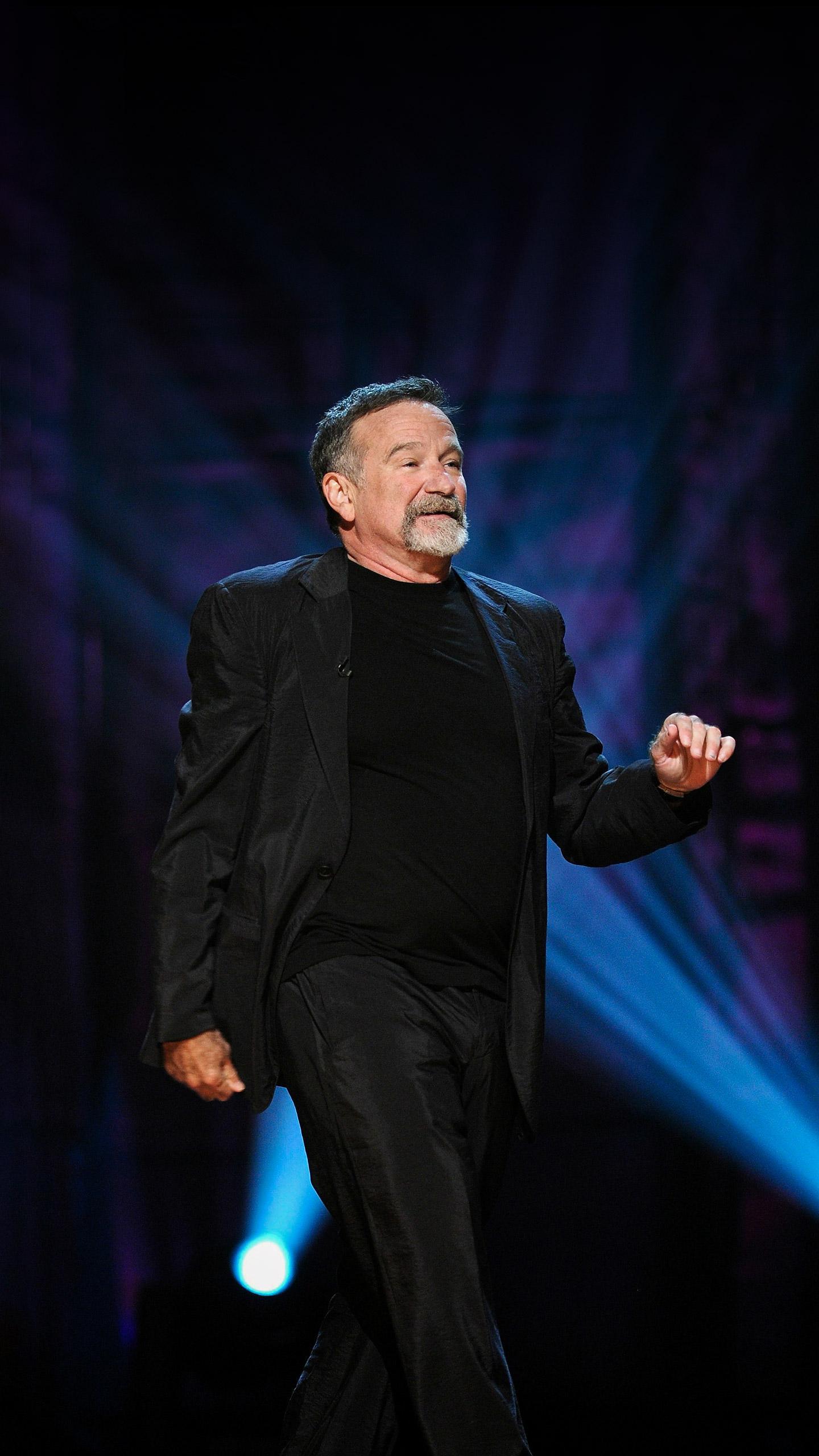
Zelda Williams Criticizes 'Robotic and Terrible' AI Videos of Late Father Robin Williams, Urges Respect for Deceased Actors

What's Happening?
Zelda Williams, daughter of the late actor Robin Williams, has publicly criticized AI-generated videos of her father, labeling them as 'robotic and terrible' and urging creators to 'have some shame.' She
took to social media to call out a recent AI video that falsely depicted Robin Williams discussing conspiracy theories, emphasizing that the voice was unconvincing and clearly artificial. Zelda expressed her exasperation with people believing such content and condemned the use of a deceased person's likeness for manipulative purposes. She highlighted the ethical concerns surrounding AI, particularly the removal of consent when recreating real people and making them perform actions they would not have chosen in reality. This is not the first time Zelda has spoken out against AI recreations of her father, having previously asked fans to stop sending her such videos and advocating for actors' rights during the SAG-AFTRA strike in 2023.
Why It's Important?
Zelda Williams's strong stance against AI-generated content featuring her late father underscores a critical and growing ethical dilemma within the entertainment industry and broader society. The proliferation of deepfake technology and voice synthesis raises significant questions about consent, intellectual property, and the posthumous rights of individuals, especially public figures. Her comments highlight the emotional distress caused to families by unauthorized AI recreations and the potential for misinformation when AI is used to put words into the mouths of deceased individuals. This issue has profound implications for U.S. copyright law, privacy regulations, and the future of creative industries, as it challenges the traditional understanding of performance and artistic integrity. The debate over AI's use in recreating actors, particularly those who cannot consent, is a central point of contention in ongoing labor negotiations and legislative discussions, impacting how digital likenesses are controlled and protected.
What's Next?
The ongoing debate sparked by Zelda Williams and others in the entertainment industry is likely to intensify, pushing for clearer legal and ethical frameworks regarding AI-generated content. This could lead to increased advocacy for stronger protections for deceased individuals' likenesses and voices, potentially influencing future legislation in the U.S. The Screen Actors Guild – American Federation of Television and Radio Artists (SAG-AFTRA) has already made AI a key issue in its negotiations, and such public statements from prominent figures like Zelda Williams will add pressure for comprehensive agreements. We can expect continued discussions among lawmakers, technology companies, and creative unions to establish guidelines and regulations that balance technological innovation with the rights and dignity of individuals, both living and deceased. The industry may also see the development of new technologies designed to detect and flag AI-generated content, or to provide mechanisms for individuals and estates to control their digital representations.
Beyond the Headlines
Zelda Williams's plea to 'let him rest' transcends the immediate issue of AI technology; it touches upon fundamental questions of human dignity, memory, and the sanctity of a person's legacy. The ability of AI to endlessly replicate and manipulate the images and voices of the deceased challenges our cultural understanding of death and remembrance. It forces a re-evaluation of what it means to 'pass on' in an increasingly digital world, where a person's digital footprint can be endlessly reanimated. This raises profound philosophical and psychological questions about grief, closure, and the potential for perpetual digital haunting. The ethical implications extend to how society will collectively decide to honor and protect the memory of individuals from digital exploitation, shaping future norms around digital immortality and the boundaries of technological intervention in human experience.