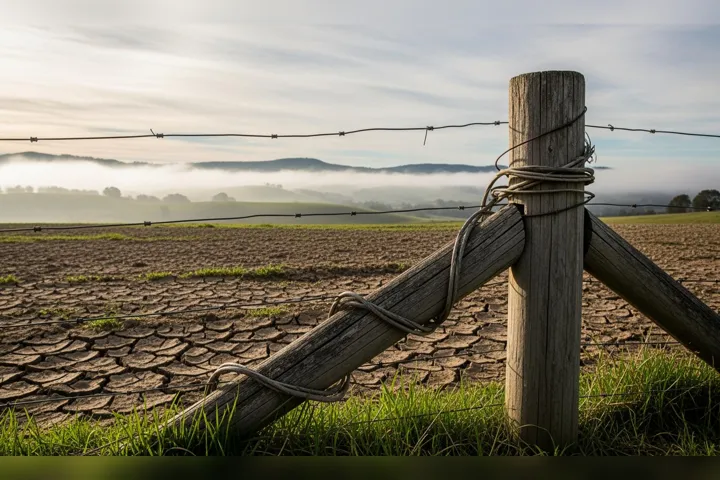
Washington State's Environmental Actions Threaten Local Ranchers

What's Happening?
Washington state has intensified its regulatory actions against local ranchers, particularly targeting the Kings family, who have been managing their land for over 50 years. The state’s Environmental Crimes Division, established over a decade ago, is now being used to enforce strict environmental regulations that many argue unfairly target agricultural producers. The Kings, who have maintained several man-made stock water ponds on their property, are facing significant fines and legal challenges. These ponds, traditionally used for cattle and wildlife, are now being classified as wetlands by the state, despite existing laws that exclude farm ponds from such definitions. The Kings have been fined over a quarter of a million dollars, had their grazing leases revoked, and faced criminal charges under environmental laws.
Why It's Important?
This situation highlights the growing tension between state environmental regulations and agricultural practices. The actions taken by Washington state could set a precedent for how environmental laws are enforced against farmers and ranchers nationwide. The outcome of this case could impact the agricultural industry significantly, potentially leading to increased operational costs and legal challenges for farmers. It also raises questions about the balance between environmental protection and agricultural sustainability, as well as the role of government in regulating land use. The case has drawn attention from federal agencies, with the USDA reviewing funding to Washington state to ensure it is not used to unfairly target agricultural producers.
What's Next?
The Kings and other affected ranchers are likely to continue their legal battle against the state’s classification of their ponds as wetlands. The USDA and other federal agencies may increase their involvement, potentially leading to changes in how environmental laws are applied to agricultural lands. This case could also prompt legislative reviews or reforms at both state and federal levels to address the concerns of the agricultural community. Stakeholders, including agricultural associations and environmental groups, are expected to weigh in on the implications of this case, potentially influencing future policy decisions.
AI Generated Content
For the benefit of users - Parts of this article may include content generated using AI tools. Our teams are making active and commercially reasonable efforts to moderate all AI generated content. Our moderation processes are improving however our processes are carried out on a best-effort basis and may not be exhaustive in nature. We encourage our users to consume the content judiciously and rely on their own research for accuracy of facts. We maintain that all AI generated content on our platform is for entertainment purposes only. To know more about how we use AI, you can write to us at
Close AI Generated Content