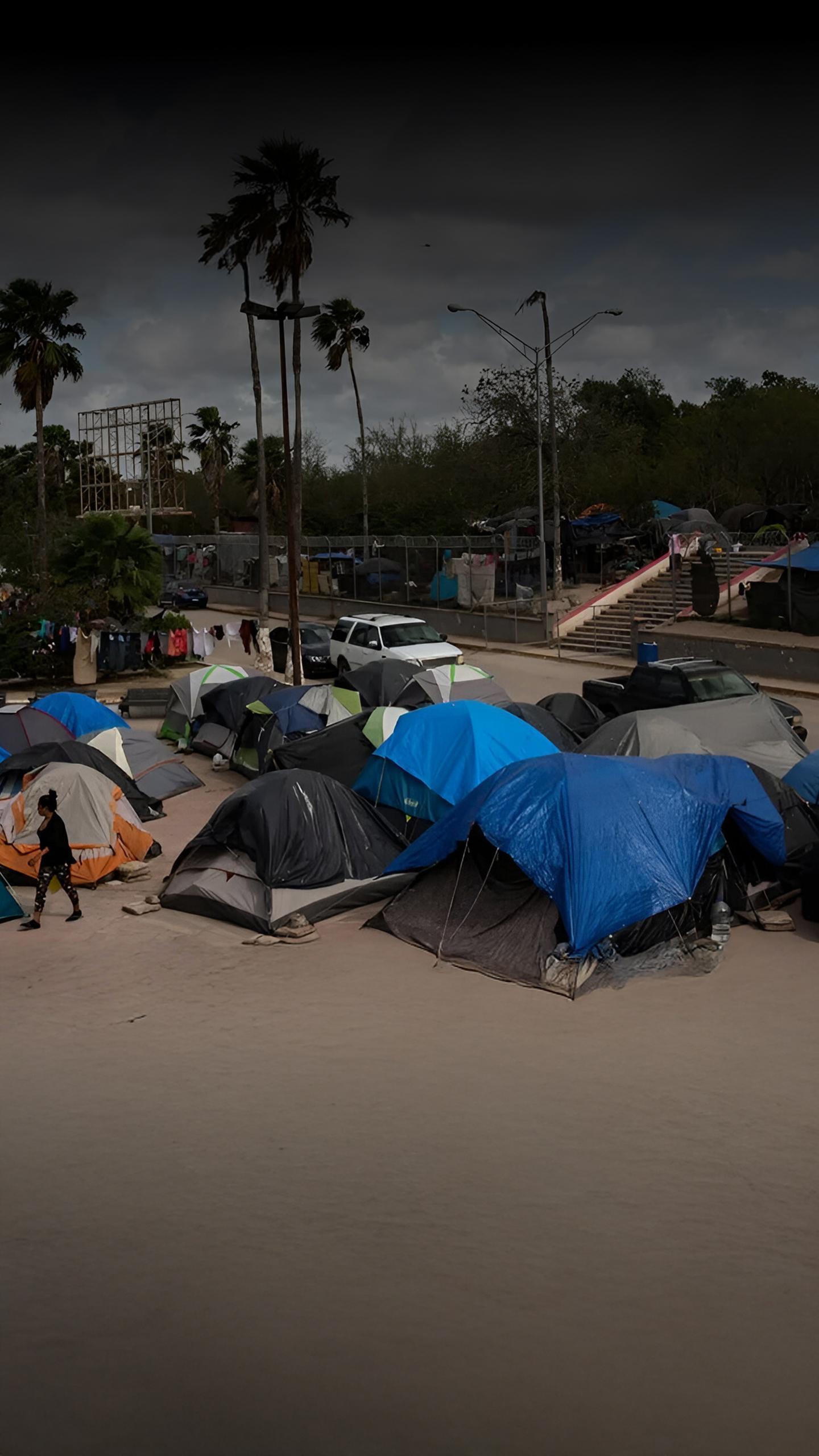
International Rescue Committee Expands Migrant and Refugee Support in U.S. Cities

What's Happening?
The International Rescue Committee (IRC), a global humanitarian non-governmental organization founded in 1933 at the behest of Albert Einstein, is actively expanding its support for migrants and refugees
across the United States. Operating in over 40 countries and 29 U.S. cities, the IRC focuses on restoring health, safety, education, economic well-being, and power to individuals affected by conflict and disaster. In New York City, the IRC's Assistance for Migrants Program (AMP), funded by the New York State Office of Temporary and Disability Assistance (OTDA), provides comprehensive and culturally-responsive case management, legal, financial, and employment assistance to asylum seekers and other recent arrivals. Similarly, the IRC offers trauma-informed services to refugees and qualified immigrants through its Case Management Specialist roles, which include coordinating pre- and post-arrival services, developing self-sufficiency plans, and connecting clients to essential resources like housing, medical care, and public benefits. These initiatives underscore the IRC's commitment to helping people reclaim control of their futures and strengthen their communities.
Why It's Important?
The IRC's expanded operations in U.S. cities are crucial for addressing the growing needs of migrant and refugee populations, particularly in areas like New York City that experience significant influxes of new arrivals. By providing comprehensive case management and support services, the IRC helps these vulnerable individuals navigate complex systems, access vital resources, and achieve self-sufficiency. This work is vital for the successful integration of migrants and refugees into American society, contributing to their economic well-being and overall community stability. The focus on trauma-informed care acknowledges the unique challenges faced by those fleeing conflict and disaster, ensuring that support is delivered with sensitivity and effectiveness. The IRC's efforts also alleviate pressure on local government services by offering specialized assistance, fostering a more organized and humane response to humanitarian crises within the U.S. borders. The organization's adherence to core values like integrity, service, equality, and accountability ensures that these critical services are delivered ethically and efficiently.
What's Next?
The International Rescue Committee is expected to continue its efforts to expand and refine its programs for migrants and refugees in U.S. cities. The organization will likely focus on strengthening partnerships with local and state government agencies, such as the New York State Office of Temporary and Disability Assistance, to secure continued funding and support for initiatives like the Assistance for Migrants Program. There will be an ongoing need for skilled professionals, including caseworkers and case management specialists, to deliver trauma-informed services, develop individualized self-sufficiency plans, and coordinate essential resources for new arrivals. The IRC will also likely continue to advocate for policies that support the rights and integration of refugees and asylum seekers, while adapting its services to meet evolving humanitarian needs and demographic shifts within the U.S. The organization's commitment to professional standards and equal opportunity employment will guide its future recruitment and operational strategies.
Beyond the Headlines
Beyond the immediate provision of services, the IRC's work in the U.S. has deeper implications for national discourse on immigration and humanitarian aid. By actively assisting migrants and refugees, the IRC contributes to shaping public perception and policy debates surrounding the integration of diverse populations. The organization's emphasis on restoring 'power to people devastated by conflict and disaster' highlights a fundamental shift from mere aid provision to empowering individuals to rebuild their lives and contribute to their new communities. This approach fosters long-term resilience and reduces dependency, promoting a more sustainable model for humanitarian response. Furthermore, the IRC's presence in 29 U.S. cities underscores the localized impact of global crises, demonstrating how international humanitarian issues directly affect American communities and necessitate coordinated, compassionate responses at both local and national levels. The organization's commitment to integrity and accountability also sets a benchmark for ethical practices in the non-profit sector.