Christa Pike's veins, blood disorder were the focus of a three-day hearing

A little more than a month prior to her execution date, Christa Pike's lawyers made a number of arguments before Senior Judge Mark Ward, a special master appointed by the Tennessee Supreme Court, during
a three-day hearing in Knoxville.
Much of the time was dedicated to whether her veins and a blood disorder could make a lethal injection unnecessarily painful.
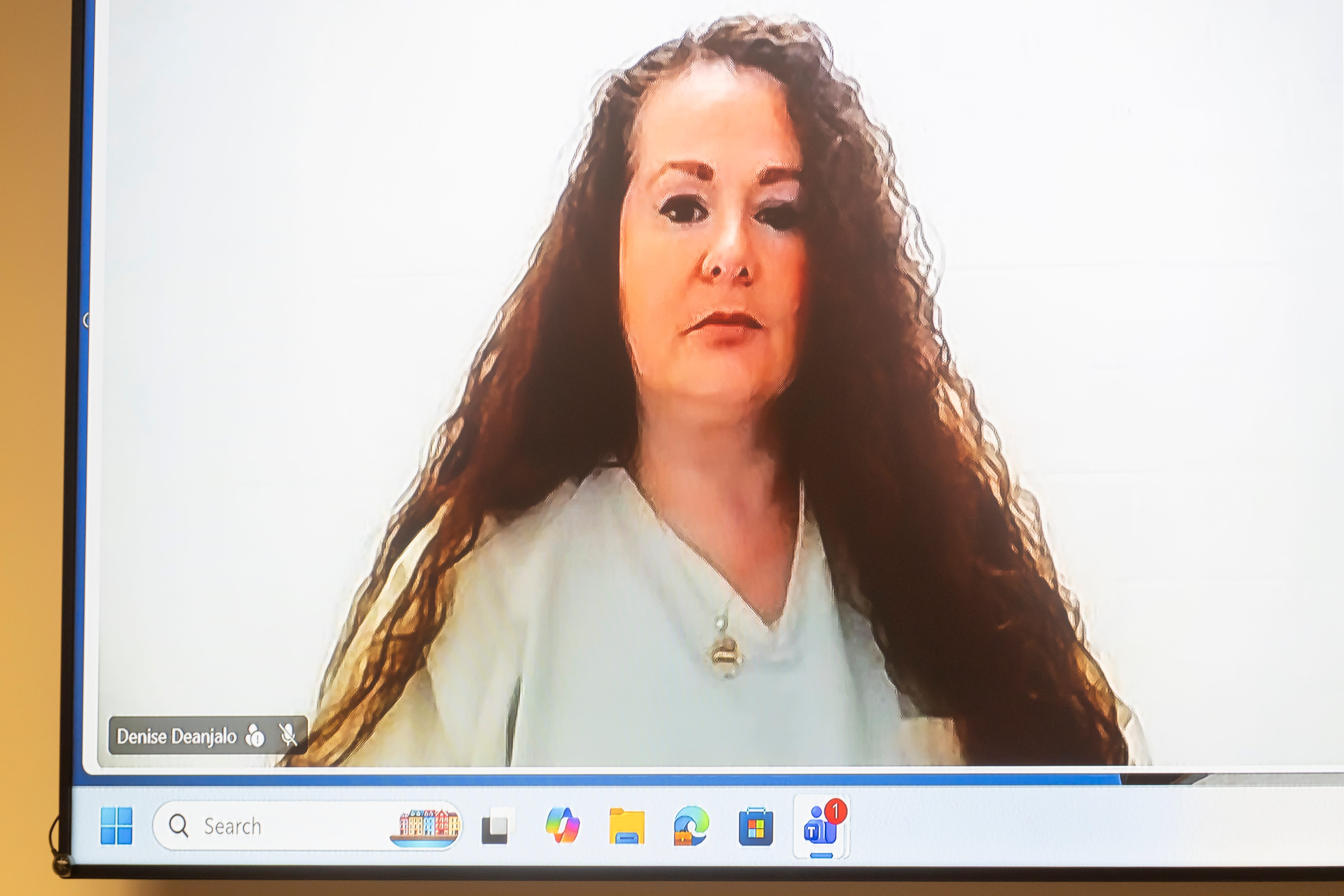
Journalists from The Tennessean, the Knoxville News Sentinel and other media outlets were in the courtroom at Knoxville Criminal Court, but Pike was not. Her image was streamed from the Debra K. Johnson Rehabilitation Center, where she has been imprisoned for more than 30 years.
Pike's side did prevail on some legal fronts. She was allowed to have a Buddhist advisor with her in the death chamber, for example.
Most of the hearing focused on Pike's veins.
Pike's condition, thrombocytosis, could increase clotting and pain during the execution process, her legal team argued. They also contended that her veins are difficult to access.
Defense expert Dr. Joel Zivot testified during the hearing that this could cause Pike to feel as though she were "burning alive" during the execution. Her attorneys argued that it would be difficult to access Pike's veins, prolonging the process and extending her suffering.
The state disputed those claims. Hematologist Dr. Richard Mansour testified that Pike's recent medical history showed her veins were accessible. He noted that medical staff had successfully completed nearly all recent blood draws with a single needle stick.
Ward rejected most of the claims lodged by Pike's legal team, and concluded the evidence did not show Pike's veins or blood disorder would create a substantial risk of severe pain during the execution.