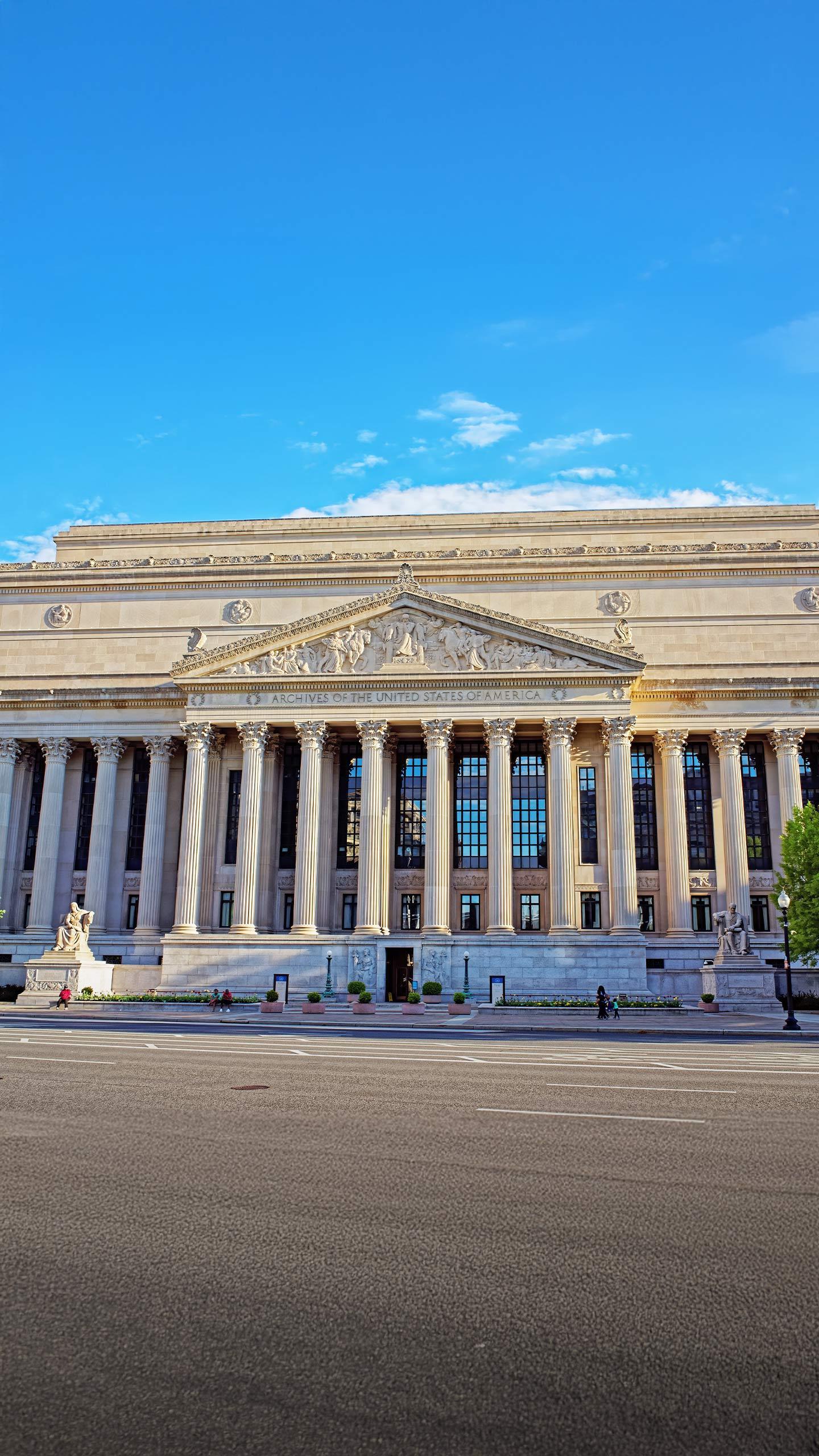
National Archives Holds Majority of U.S. Government Records in Public Domain, With Exceptions

What's Happening?
The National Archives and Records Administration (NARA) serves as the custodian of U.S. federal government records, with the vast majority of its digital images available in the public domain. This means
these works are generally not eligible for copyright protection in the United States. However, NARA cautions that not all records within its extensive holdings are in the public domain, particularly certain 'Special Media' collections. A small percentage of photographs may also be subject to copyright restrictions. NARA does not confirm the copyright status for individual items, placing the responsibility on the user to verify usage rights. Users can check the 'Use Restriction(s)' field in the National Archives Catalog for each record to determine its copyright status. While not legally required for public domain records, NARA encourages proper credit lines for good documentation practices.
Why It's Important?
The public domain status of most NARA records is crucial for transparency, historical research, education, and creative works in the United States. It allows historians, journalists, educators, and the general public free access to foundational documents and images of American history without the burden of licensing fees or complex copyright negotiations. This accessibility fosters a deeper understanding of government operations and national heritage. The caveat regarding copyrighted materials within NARA's holdings highlights the importance of due diligence for anyone utilizing these resources, especially for commercial purposes. Misuse of copyrighted material, even if housed within a government archive, can lead to legal repercussions. This balance between open access and copyright protection underscores the complexities of managing vast historical collections.
What's Next?
Individuals and organizations intending to use materials from the National Archives will continue to be responsible for verifying the copyright status of specific items. NARA's existing guidelines direct users to the 'Use Restriction(s)' field in its catalog for this purpose. It is anticipated that NARA will maintain its current policy of not confirming copyright status, thereby placing the onus on the user. Researchers and content creators should remain vigilant in checking these restrictions, particularly for special media or older photographic collections, to ensure compliance with copyright law. The encouragement for proper credit lines is likely to persist as a best practice for academic and public use of these historical assets.
Beyond the Headlines
The distinction between public domain and copyrighted materials within NARA's collections reflects broader legal and ethical considerations surrounding intellectual property and public access to information. While the principle of government works being in the public domain promotes democratic ideals, the existence of copyrighted items within federal archives often stems from donations, acquisitions, or works created by non-government entities. This situation raises questions about the long-term management of such mixed collections and the potential for future policy discussions regarding the digitization and accessibility of all historical records. The ongoing challenge for NARA and similar institutions is to balance the imperative of preserving national heritage with ensuring legal compliance and facilitating broad public engagement with these invaluable resources.