Anti-Inflammatory Diet Emphasizes Mediterranean-Style Eating for Health Benefits

What's Happening?
An anti-inflammatory diet, closely resembling the Mediterranean diet, is gaining recognition for its potential to lower inflammatory markers in the body. This dietary pattern focuses on consuming a wide
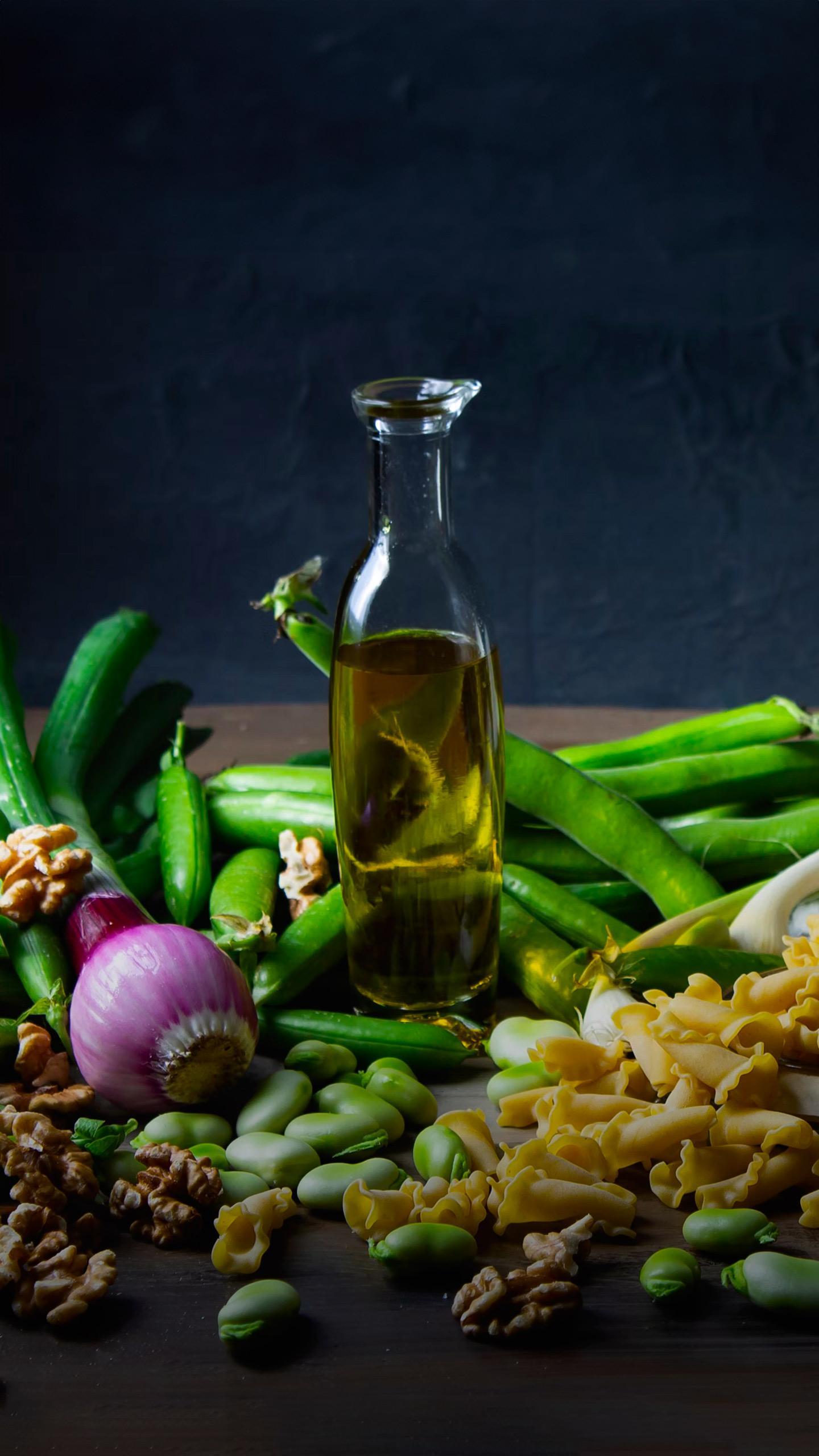
array of vegetables, fruits, whole grains, legumes, nuts, olive oil, and fish, while significantly limiting processed foods, sugary drinks, and ultra-processed items. The emphasis is on the overall eating pattern rather than individual 'superfoods.' Research indicates that this approach can lead to reduced levels of inflammatory markers such as C-reactive protein. Eggs can be included in moderation, as they are not considered strongly pro- or anti-inflammatory. For individuals with specific conditions like breast cancer undergoing chemotherapy, adopting an anti-inflammatory diet has been linked to improved sleep quality and overall quality of life. Ingredients common in Indian vegetarian diets, such as turmeric, ginger, garlic, and omega-3 rich seeds, are also highlighted for their benefits in reducing joint stiffness and pain. Fatty fish like salmon, sardines, herring, and mackerel are particularly beneficial due to their high omega-3 content, which helps in lowering inflammatory markers.
Why It's Important?
The adoption of an anti-inflammatory diet holds significant importance for public health in the U.S., given the prevalence of chronic diseases linked to inflammation. Conditions such as heart disease, type 2 diabetes, rheumatoid arthritis, and inflammatory bowel disease are often exacerbated by chronic low-grade inflammation. By promoting a diet rich in plant-based foods, healthy fats, and omega-3s, and low in processed ingredients, this approach offers a proactive strategy for disease prevention and management. The emphasis on whole, unprocessed foods could lead to a shift in consumer demand, impacting the food industry towards healthier product offerings. Furthermore, for individuals already suffering from inflammatory conditions, this diet can serve as a complementary approach to medical treatments, potentially improving symptoms and overall quality of life. The focus on accessible and affordable ingredients like frozen vegetables, tinned beans, and whole grains also makes this dietary pattern a viable option for a broader demographic, addressing health disparities related to diet.
What's Next?
The growing awareness of the benefits of an anti-inflammatory diet is likely to lead to increased recommendations from healthcare professionals and dietitians. This could result in more widespread educational campaigns and resources aimed at helping the public adopt these eating habits. Food manufacturers may respond by developing more products that align with anti-inflammatory principles, such as ready-to-eat meals rich in vegetables, whole grains, and healthy fats, and reducing the sugar and processed ingredients in existing products. Further research is expected to continue exploring the specific mechanisms through which this diet impacts various inflammatory conditions and to identify additional beneficial foods or dietary components. There may also be a push for policy changes that support access to fresh, whole foods, making it easier for all Americans to follow an anti-inflammatory eating pattern. The integration of dietary advice into routine medical care for chronic inflammatory diseases is also a foreseeable development.
Beyond the Headlines
Beyond the immediate health benefits, the widespread adoption of an anti-inflammatory diet could have profound cultural and economic implications in the U.S. Culturally, it could foster a greater appreciation for traditional cooking methods and fresh, seasonal ingredients, moving away from a reliance on convenience and highly processed foods. This shift might also encourage community-based initiatives focused on gardening, farmers' markets, and culinary education. Economically, a healthier population could lead to reduced healthcare costs associated with chronic inflammatory diseases. There could also be a boost for local agriculture and sustainable food systems as demand for fresh produce, legumes, and whole grains increases. The ethical dimension of food production, including sourcing and environmental impact, may also come into sharper focus as consumers become more discerning about the quality and origin of their food. This dietary trend could ultimately contribute to a more holistic understanding of health, where food is viewed not just as sustenance but as a powerful tool for well-being and disease prevention.