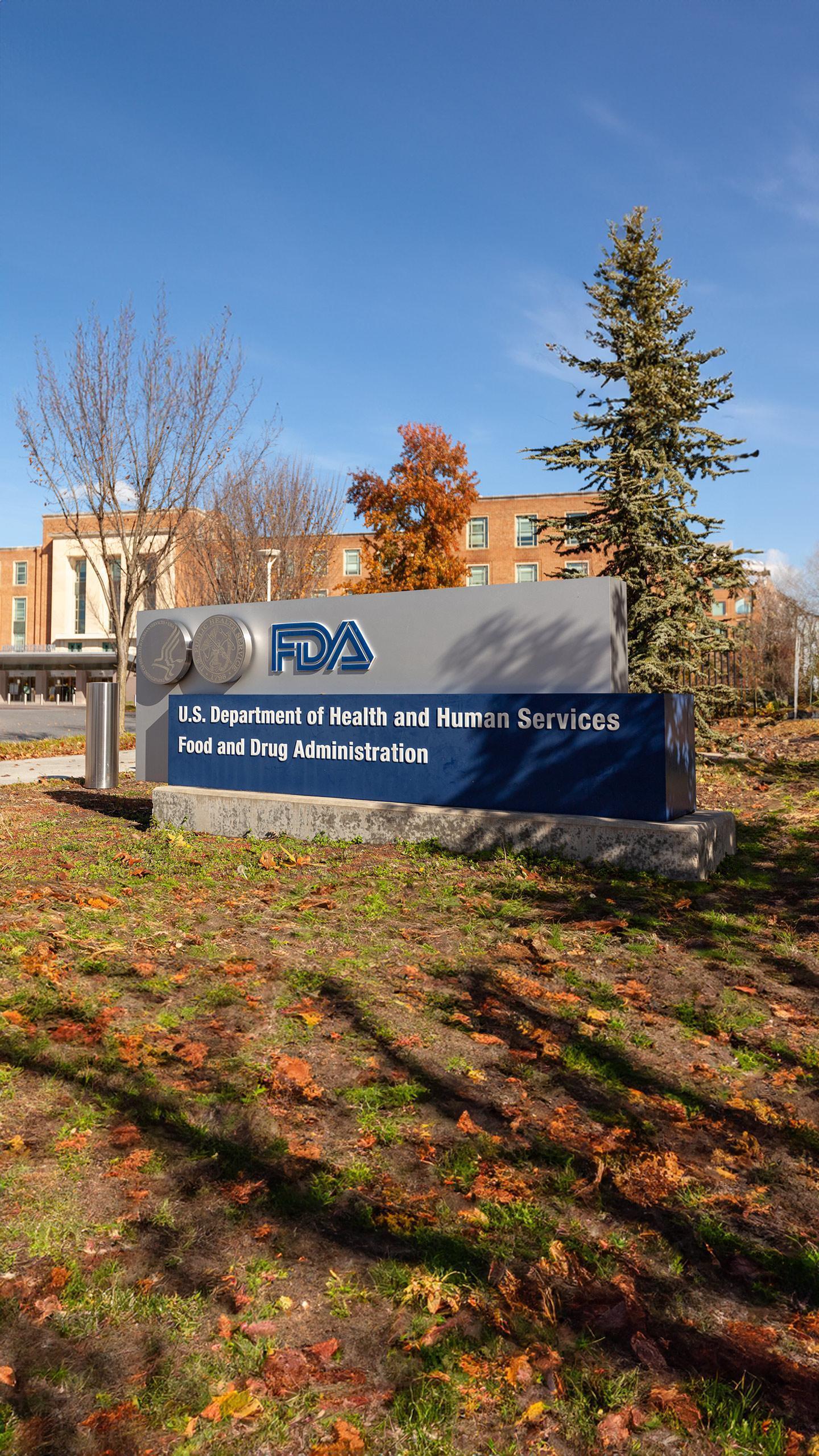
CDC and FDA Issue Updated Adult Vaccine Guidance for 2026-2027 Season

What's Happening?
The Centers for Disease Control and Prevention (CDC) and the Food and Drug Administration (FDA) have released updated guidance for adult vaccinations for the 2026-2027 season, leading to some variations
in recommendations. The CDC's published guidance recommends a COVID vaccine for all adults, while the FDA has specifically approved this season's COVID vaccines for adults 65 and older, and for individuals under 65 with high-risk conditions such as diabetes, heart or lung disease, obesity, or a weakened immune system. Healthy adults under 65 may still access the vaccine in many locations, depending on state rules. For the flu, it is recommended for nearly everyone 6 months and older, with a new mRNA flu vaccine approved for adults 50 and older. RSV vaccination is advised as a one-time dose for adults 75 and older, and for those 50 to 74 with chronic conditions or living in nursing homes.
Why It's Important?
The updated vaccine guidance is crucial for public health as it aims to protect adults from seasonal respiratory illnesses, including flu, COVID-19, and RSV. The differing recommendations between the CDC and FDA highlight the complexity of vaccine policy, balancing broad public health goals with specific regulatory approvals. This can lead to confusion for individuals seeking vaccination, making it essential for them to consult with their healthcare providers or pharmacists. The emphasis on higher-strength flu vaccines for older adults and the introduction of an mRNA flu vaccine reflect ongoing efforts to enhance vaccine efficacy. For pregnant individuals, specific recommendations for flu, Tdap, RSV, and COVID-19 vaccines underscore the importance of protecting both the mother and newborn from various infections. Adherence to these guidelines can significantly reduce hospitalizations and severe outcomes across different age groups and risk profiles.
What's Next?
Adults are advised to get their flu and COVID-19 shots in early fall, though later vaccination still offers protection. These vaccines, along with the RSV vaccine, can be administered during the same visit, or individuals can space them out to mitigate potential side effects. Pharmacists and clinicians will play a key role in clarifying eligibility and state-specific rules, especially for healthy adults under 65 seeking the COVID-19 vaccine. Ongoing monitoring of vaccine effectiveness and safety will continue, particularly for newer vaccines like the mRNA flu shot. Individuals are encouraged to bring their vaccination records, photo ID, and insurance information to their appointments and to discuss any health conditions or medications with their provider to ensure appropriate vaccination. The evolving nature of these recommendations necessitates continuous public education and accessible healthcare resources.
Beyond the Headlines
The nuanced differences in vaccine recommendations from various federal agencies and medical groups reflect the dynamic nature of public health science and policy. While the CDC aims for broad protection, the FDA's approvals are based on specific clinical trial data for defined populations. This divergence can create challenges in public communication and may lead to varying levels of vaccine uptake. The increasing number of recommended adult vaccines, including flu, COVID-19, and RSV, highlights a growing emphasis on comprehensive respiratory illness prevention. This trend suggests a future where annual adult vaccination against multiple pathogens becomes a standard component of preventive healthcare, potentially leading to a more resilient population against seasonal outbreaks and reducing the overall burden on healthcare systems.