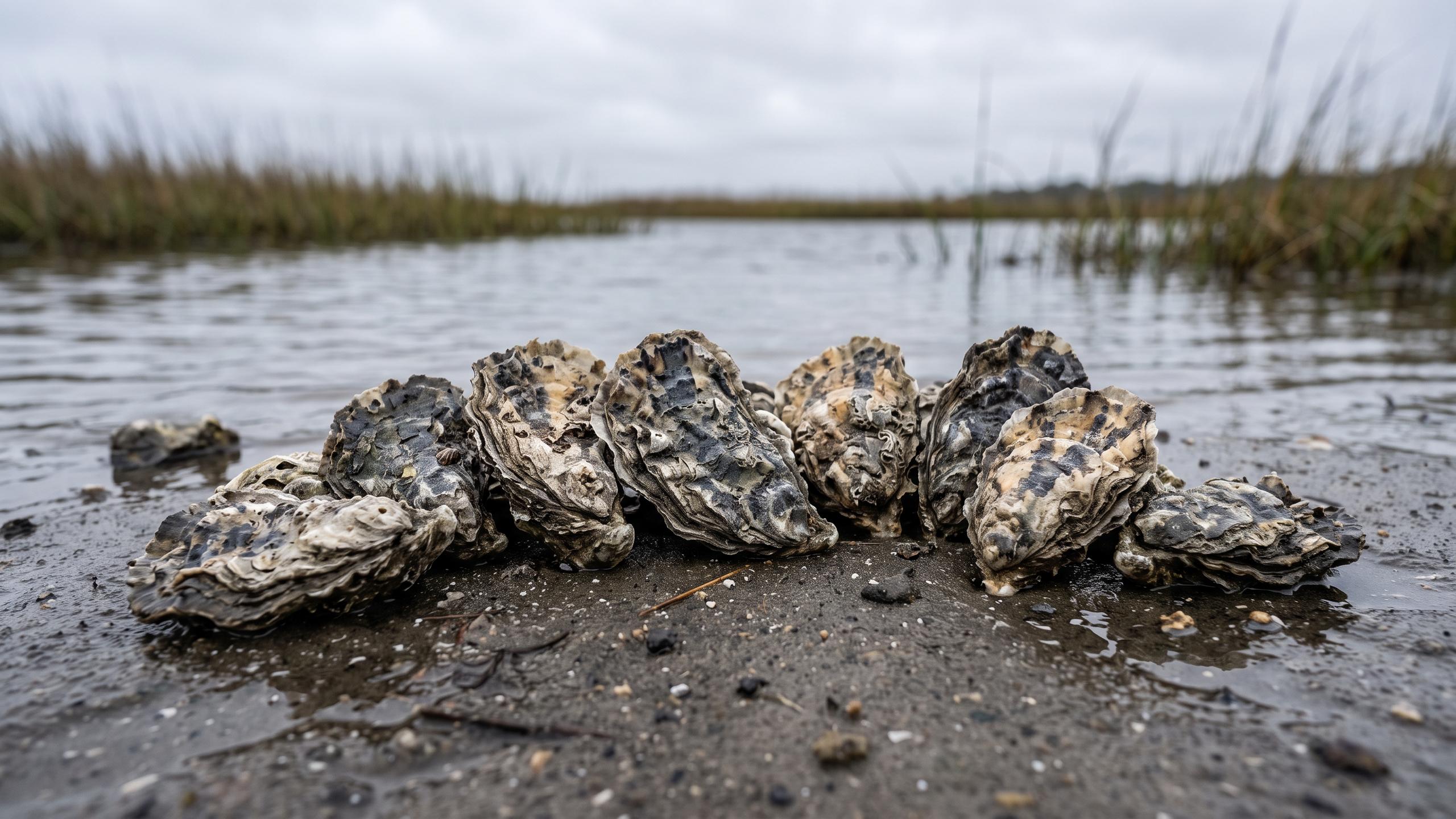
Virginia Shellfish Manufacturer Recalls Oysters in Multistate Salmonella Outbreak

What's Happening?
Little Wicomico Oystery Company of Virginia has issued a voluntary recall for raw, whole oysters due to a multistate Salmonella outbreak. The recall, initiated on October 9, affects oysters harvested from
the Little Wicomico River and Little Wicomico River Lower in Virginia between September 18 and October 8. These contaminated oysters were distributed to restaurants and retailers in at least 12 states, including Pennsylvania and New Jersey. The Centers for Disease Control and Prevention (CDC) has reported 27 confirmed cases of Salmonella infection, with five individuals requiring hospitalization across the affected states. Salmonella bacteria, which reside in the intestines of humans and animals, typically cause symptoms such as diarrhea, fever, dehydration, vomiting, and stomach cramps. While most individuals recover within a week without specific treatment, children, older adults, and those with compromised immune systems are at higher risk for severe illness and may necessitate medical intervention or hospitalization. As a precautionary measure, the Virginia Health Department has temporarily closed the two affected rivers to oyster harvesting, with the closure expected to last until at least early November. Oysters harvested from other areas of Virginia are not included in this recall.
Why It's Important?
This recall highlights significant public health and food safety concerns, particularly for the U.S. seafood industry and consumers. The multistate nature of the outbreak underscores the challenges in tracking and controlling foodborne illnesses across supply chains, impacting consumer confidence in seafood products. For businesses like Little Wicomico Oystery Company, recalls can lead to substantial financial losses due to product removal, investigations, and potential legal liabilities. The temporary closure of oyster harvesting areas in Virginia also affects local economies dependent on aquaculture, impacting harvesters, distributors, and retailers. Furthermore, the incident emphasizes the vulnerability of specific populations—children, the elderly, and immunocompromised individuals—to severe health outcomes from common foodborne pathogens. The CDC's involvement and the widespread distribution of the contaminated product demonstrate the critical need for stringent food safety protocols from harvesting to consumption to prevent such outbreaks and protect public health nationwide.
What's Next?
Consumers who have purchased raw, whole oysters from the Little Wicomico Oystery Company, particularly those harvested between September 18 and October 8, are advised not to consume them. Restaurants and retailers are instructed to remove the recalled products from their inventory and refrain from serving them. The CDC recommends thoroughly cleaning any surfaces or items that may have come into contact with the contaminated oysters using hot, soapy water to prevent cross-contamination. The Virginia Health Department's temporary closure of the Little Wicomico River will remain in effect, with ongoing monitoring and assessment to determine when it is safe to resume harvesting. Public health officials will continue to investigate the outbreak to identify any additional cases and ensure all contaminated products are removed from circulation. Further actions may include enhanced inspections and revised safety guidelines for oyster harvesting and distribution to prevent future occurrences.
Beyond the Headlines
This Salmonella outbreak extends beyond immediate health concerns, touching upon broader issues of food traceability and regulatory oversight within the U.S. food system. The incident highlights the complex journey of seafood from harvest to plate and the potential for contamination at various stages. It prompts questions about the effectiveness of current monitoring systems and the speed at which contaminated products can be identified and recalled across state lines. Ethically, it underscores the responsibility of food producers to ensure the safety of their products, especially those consumed raw. The long-term implications could include increased scrutiny of shellfish harvesting practices, potentially leading to stricter regulations or enhanced testing requirements. For consumers, such events can foster a heightened awareness of food safety risks, potentially shifting dietary habits or increasing demand for products with transparent sourcing and safety certifications. This incident serves as a reminder of the continuous need for vigilance and adaptation in food safety practices to protect public health and maintain trust in the food supply.