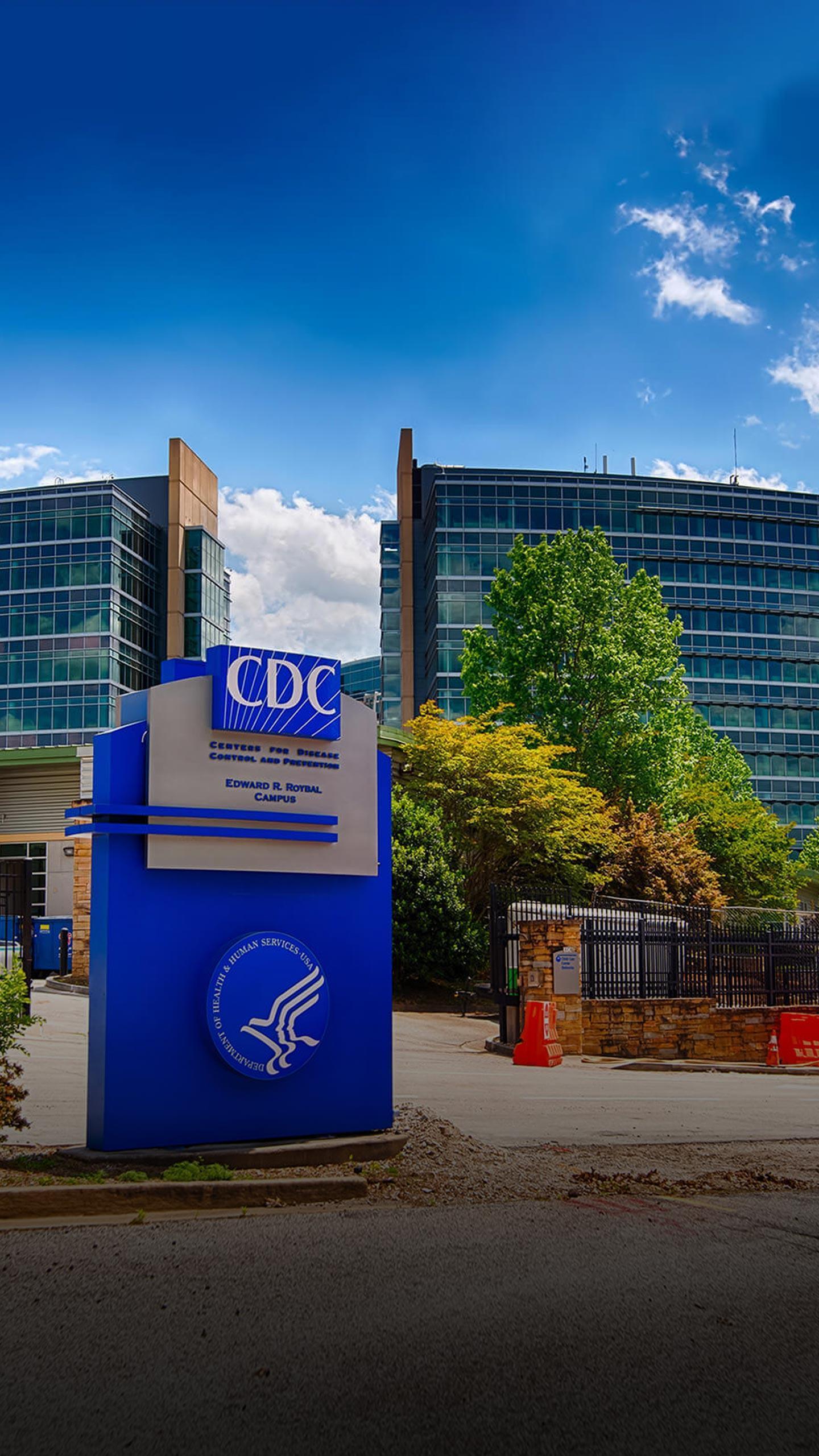
HHS Seeks Experts for Federal Disaster Preparedness Committees, Including Biodefense

What's Happening?
The U.S. Department of Health and Human Services (HHS) is actively recruiting experts for two federal advisory committees: the National Biodefense Science Board and the National Advisory Committee on Children
and Disasters. This recruitment, managed by HHS’s Administration for Strategic Preparedness and Response (ASPR), aims to gather scientific, medical, and public health expertise to inform federal preparedness, emergency response, and recovery policies. Applications for these positions are due by November 22, 2026. The National Biodefense Science Board specifically provides recommendations on preparedness for infectious diseases, chemical, biological, radiological, and nuclear threats, and evaluates the impact of biotechnology and genetic engineering on public health and national security. The National Advisory Committee on Children and Disasters focuses on the unique medical and public health needs of children during emergencies. Both committees are crucial in ensuring that federal preparedness efforts incorporate practical experience and address the needs of affected communities.
Why It's Important?
The recruitment of these experts is vital for strengthening the nation's defense against a wide array of public health threats, including bioterrorism and other disasters. By bringing together diverse expertise from pharmaceutical and biotechnology companies, academic institutions, clinical medicine, and public health agencies, HHS aims to enhance the robustness of its preparedness strategies. The National Biodefense Science Board's focus on emerging biotechnologies and genetic engineering highlights the evolving nature of potential threats and the need for proactive measures. Furthermore, the emphasis on children's specific needs through the National Advisory Committee on Children and Disasters underscores a comprehensive approach to disaster planning, recognizing the particular vulnerabilities of pediatric populations during emergencies. These committees play a critical role in shaping policies that protect public health and national security, ensuring a more resilient response to future crises.
What's Next?
Following the application deadline of November 22, 2026, HHS will review candidates and appoint members to both the National Biodefense Science Board and the National Advisory Committee on Children and Disasters. Once appointed, these committees will commence their advisory roles, participating in public meetings, policy deliberations, and working groups. Their recommendations will directly influence federal preparedness, emergency response, and recovery policies. The ongoing work of these boards will involve continuous evaluation of evolving threats, including advancements in biotechnology, and the development of strategies to mitigate their impact. Stakeholders, including public health entities, healthcare providers, and emergency management agencies, will likely monitor the committees' recommendations to adapt their own preparedness plans and practices.
Beyond the Headlines
The establishment and ongoing operation of these advisory committees reflect a deeper understanding within the U.S. government of the complex and interconnected nature of modern public health threats. Beyond immediate disaster response, the focus on evaluating developments in biotechnology and genetic engineering by the National Biodefense Science Board points to the ethical and societal implications of scientific advancements. This proactive stance acknowledges that technological progress, while beneficial, can also introduce new vulnerabilities that require careful consideration and strategic planning. The inclusion of pediatric health considerations in disaster preparedness also highlights a growing recognition of the need for tailored approaches to vulnerable populations, moving beyond a one-size-fits-all model. This comprehensive strategy aims to build a more adaptable and equitable national health security framework.