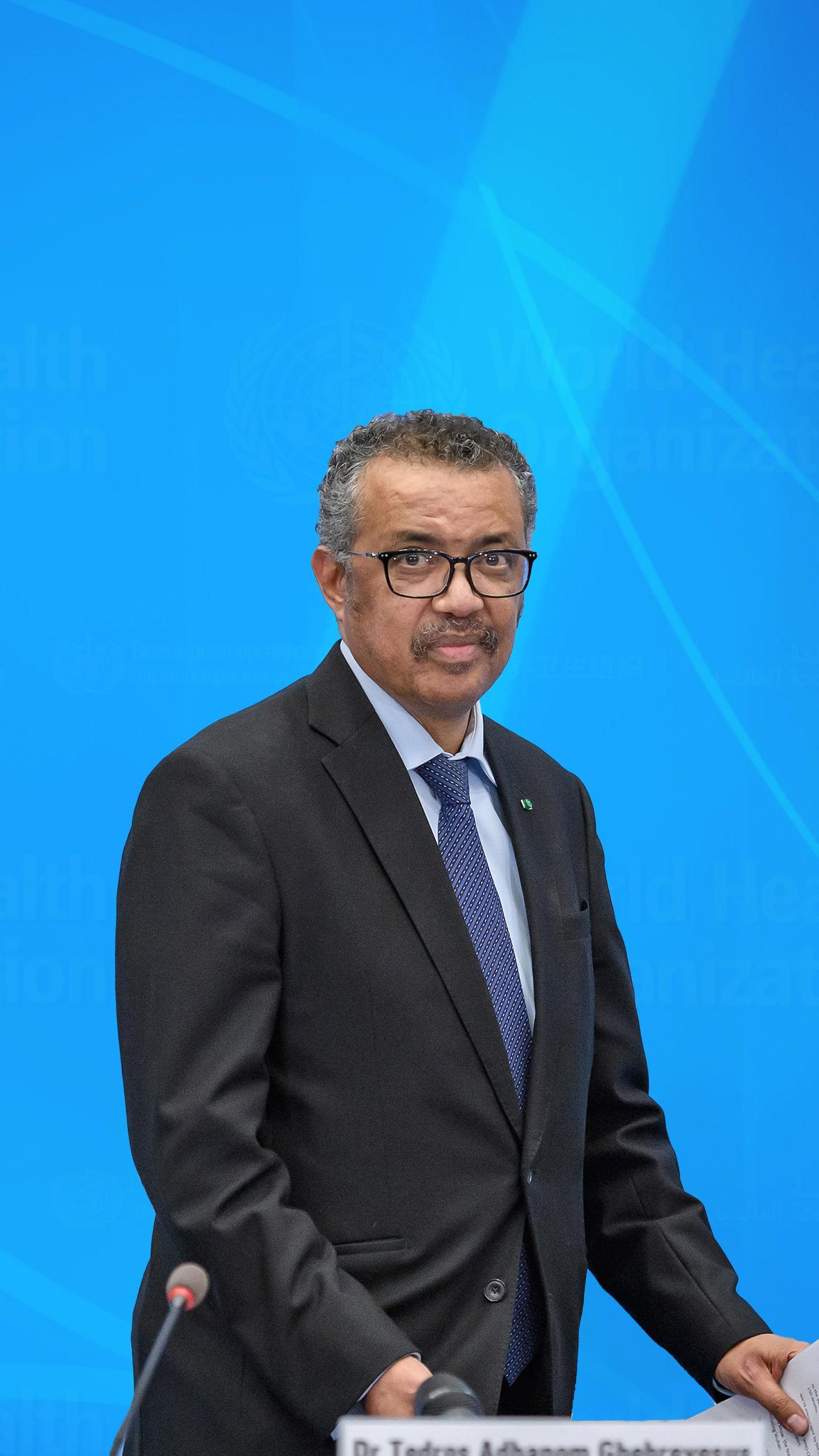
WHO Director-General Nominee Warns U.S. Against Solo Pandemic Response

What's Happening?
Budi Sadikin, Indonesia’s Minister of Health and a nominee for WHO Director-General, has issued a warning to the United States, stating that no country can effectively safeguard its population from a pandemic
alone. Sadikin, who has a background in finance and physics, believes his executive experience can aid in WHO reform, particularly as the organization faces donor funding cuts. He advocates for emergency treatments during a global pandemic to be considered global public goods. Sadikin's positive relationships with the U.S., stemming from his executive education stints at institutions like Wharton, Harvard, and UC Berkeley, could potentially facilitate Washington's re-engagement with the WHO. He emphasizes that any belief by a country that it can manage the next pandemic independently is both scientifically and practically impossible.
Why It's Important?
This statement from a potential future leader of the World Health Organization carries significant weight for U.S. public health policy and international relations. It underscores the critical need for global cooperation in addressing health crises, directly challenging any isolationist approaches to pandemic preparedness. For the U.S., a nation with substantial resources and scientific capabilities, Sadikin's warning highlights the interconnectedness of global health and the limitations of national-level responses to widespread infectious diseases. A failure to engage internationally could leave the U.S. vulnerable to future pandemics, impacting its economy, healthcare system, and national security. The call for emergency treatments to be global public goods also has implications for pharmaceutical industries and intellectual property rights, potentially influencing how the U.S. approaches vaccine and therapeutic development and distribution in future health emergencies.
What's Next?
The upcoming WHO Director-General election will determine the leadership that will guide global health policy, and Sadikin's perspective on international collaboration will be a key factor. Should he be elected, his emphasis on health equity and global public goods could shape the WHO's agenda, potentially influencing U.S. engagement and funding strategies for international health initiatives. The U.S. will need to consider its stance on global health partnerships and resource sharing, especially in light of past experiences with the COVID-19 pandemic. Discussions around rejoining or strengthening ties with the WHO, as suggested by Sadikin, could gain traction, impacting U.S. foreign policy and its role in global health governance. The pharmaceutical sector may also face increased pressure to contribute to global access to treatments, potentially leading to new policy debates regarding drug pricing and distribution.
Beyond the Headlines
Sadikin's background in finance, rather than traditional public health, offers a unique perspective on managing a global health organization. His focus on efficiency and reform, coupled with his belief in health equity, suggests a pragmatic yet principled approach to the WHO's challenges. The ethical dimension of treating emergency treatments as global public goods raises fundamental questions about access to healthcare as a human right versus proprietary interests. This debate could lead to long-term shifts in how intellectual property is managed during global health crises, potentially setting precedents for future pandemics. Furthermore, the warning against national isolationism in pandemic response highlights a broader cultural and political challenge: balancing national sovereignty with the undeniable reality of global interdependence in an era of rapid international travel and interconnected economies.