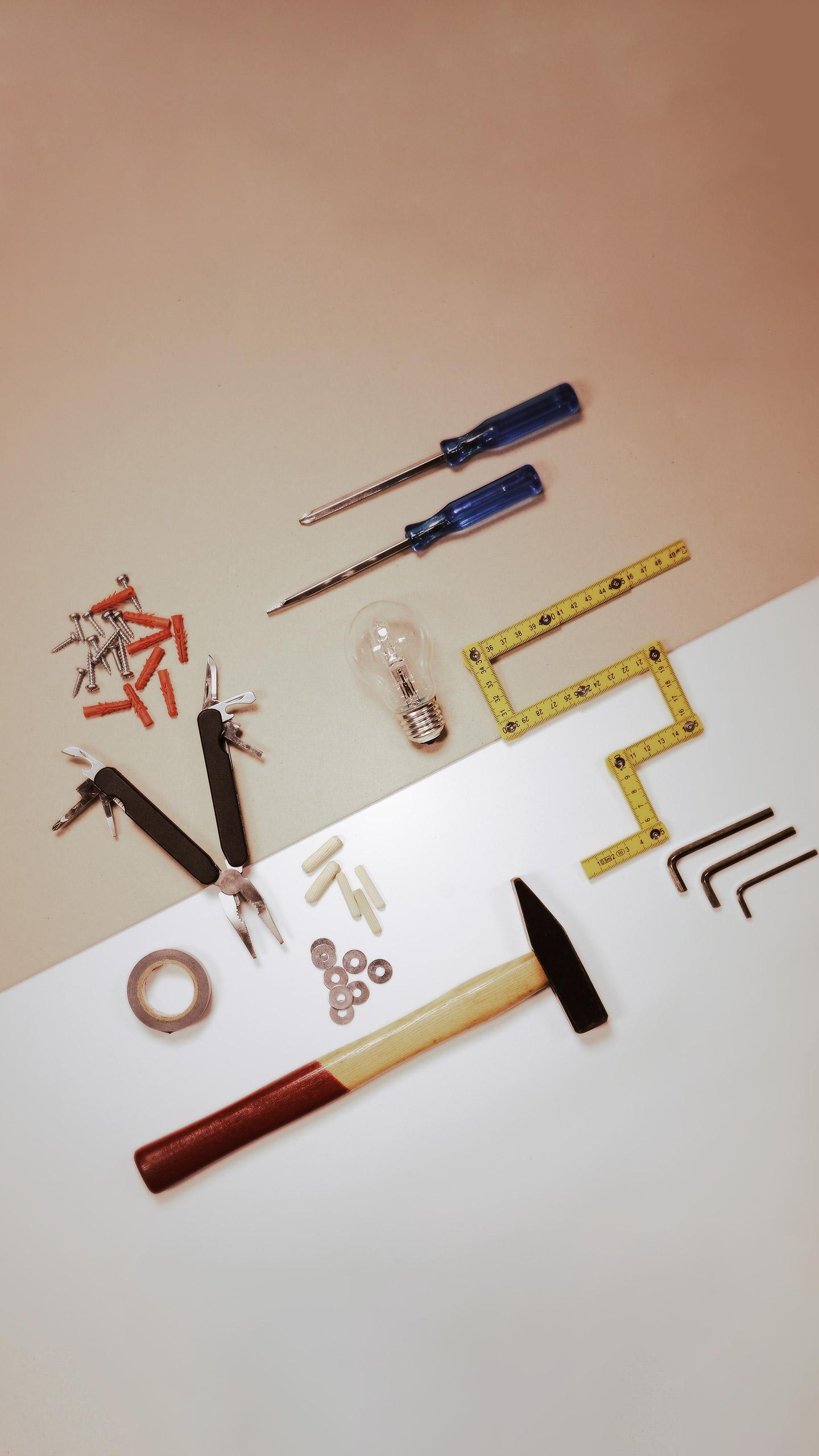
Homeowners Can Undertake DIY Projects Under $100 to Enhance Living Spaces

What's Happening?
Homeowners are increasingly looking for cost-effective ways to improve their living spaces, with many practical DIY projects available for under $100. These projects, which can often be completed in a weekend,
include painting accent walls, refreshing front doors, replacing cabinet hardware, installing floating shelves, and sealing drafts around doors and windows. Other popular options involve re-caulking windows, upgrading light fixtures, framing bathroom mirrors, repainting old furniture, and adding peel-and-stick backsplashes. These affordable upgrades aim to make rooms appear cleaner, newer, brighter, and more functional without requiring extensive renovations. The focus is on making noticeable differences with a small budget, utilizing basic tools and readily available materials.
Why It's Important?
The accessibility of under-$100 DIY home projects is significant for U.S. homeowners, particularly in an economic climate where major renovations might be financially prohibitive. These projects empower individuals to take control of their home environment, fostering a sense of accomplishment and improving daily living comfort. For those looking to sell, strategic, low-cost improvements can significantly enhance curb appeal and interior presentation, potentially attracting more buyers and even increasing resale value, as buyers often prioritize homes that feel well-maintained and move-in ready. Energy-saving projects like sealing drafts also contribute to lower utility bills, offering tangible financial benefits to homeowners. This trend supports a more sustainable approach to homeownership by encouraging repair and refresh over complete replacement, aligning with broader environmental consciousness.
What's Next?
As homeowners continue to seek value and efficiency, the market for DIY supplies and instructional content is likely to expand. Retailers may offer more curated kits and budget-friendly material options tailored to these specific projects. We can also anticipate a rise in online tutorials and workshops, further democratizing access to home improvement skills. The emphasis will remain on practical, impactful changes that don't require professional intervention, allowing homeowners to continuously adapt and upgrade their spaces. This focus on incremental improvements could lead to a shift in how home maintenance and renovation are perceived, moving towards a more continuous, manageable process rather than large, infrequent overhauls.
Beyond the Headlines
Beyond the immediate aesthetic and financial benefits, the rise of accessible DIY home projects reflects a broader cultural shift towards self-reliance and mindful consumption. In an era of increasing costs and environmental awareness, homeowners are finding satisfaction in repairing, repurposing, and enhancing what they already own. This movement fosters creativity and problem-solving skills, transforming home maintenance from a chore into a rewarding hobby. It also challenges the notion that significant home improvement requires substantial financial outlay, promoting a more resourceful and sustainable lifestyle. The psychological benefits of personalizing one's living space through one's own effort, even with small projects, can contribute to overall well-being and a stronger connection to one's home.