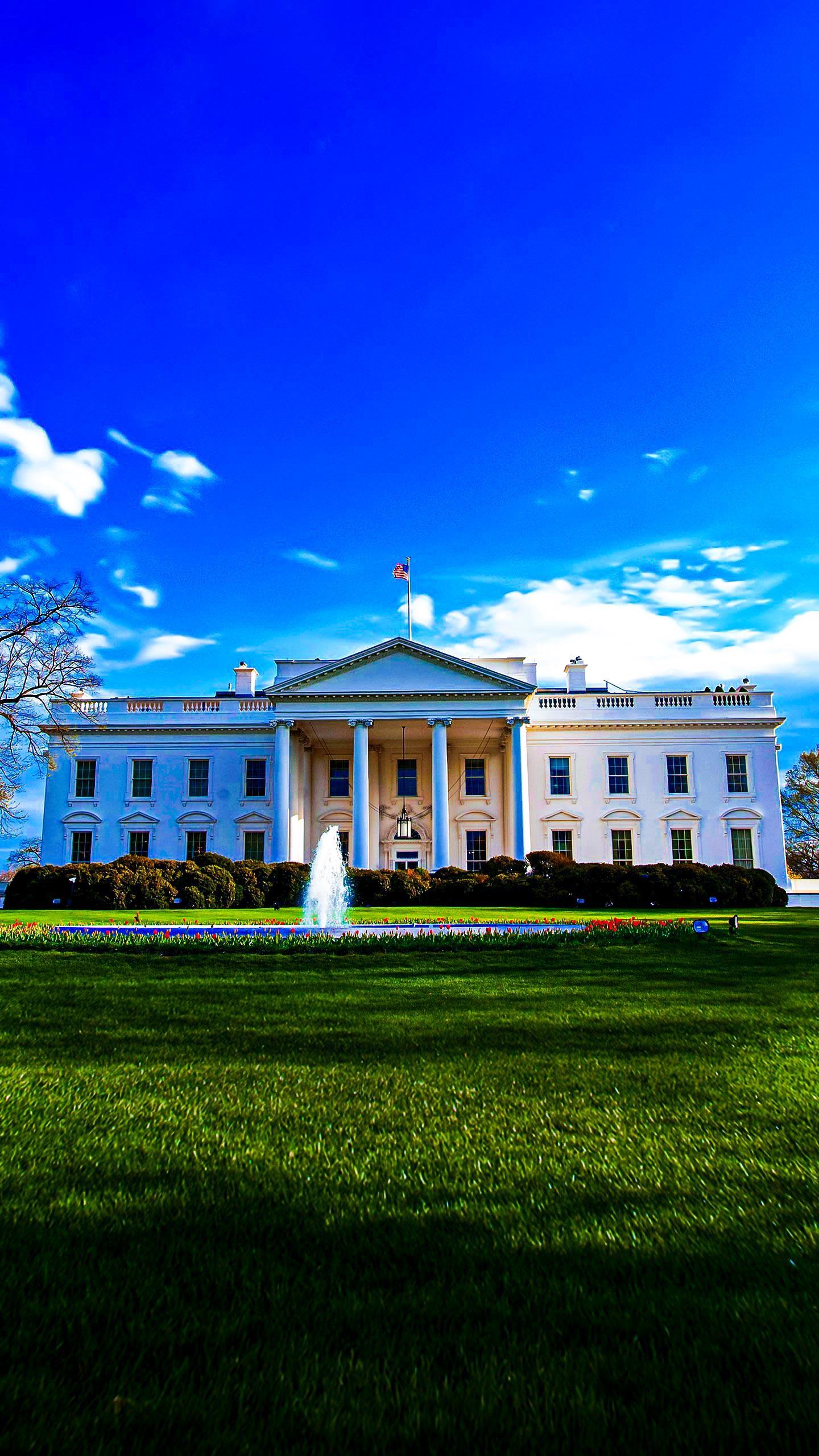
Lawyer Greg Werkheiser Discusses Ongoing Battle Over White House Ballroom's Future

What's Happening?
NPR's Sacha Pfeiffer recently interviewed Greg Werkheiser of Cultural Heritage Partners regarding the ongoing dispute surrounding the future of the White House ballroom. The discussion centered on the legal
and historical considerations impacting decisions about this significant space within the White House. Werkheiser, representing a law firm specializing in cultural heritage, provided insights into the complexities involved in determining how the ballroom will be utilized or altered. The conversation highlighted the various stakeholders and legal frameworks that come into play when addressing changes to historically important government properties. The interview aimed to shed light on the current status of the debate and the potential paths forward for the White House ballroom.
Why It's Important?
The ongoing battle over the White House ballroom's future is important due to its implications for the preservation of national heritage and the legal precedents it may set for other historical government properties. The White House, as a symbol of American democracy and history, holds immense cultural and political significance. Decisions regarding its architectural and functional changes can reflect broader national values concerning preservation versus modernization. This situation could influence how future administrations approach modifications to historical landmarks, potentially impacting public policy on heritage conservation. Furthermore, the involvement of a law firm specializing in cultural heritage underscores the increasing legal scrutiny and public interest in safeguarding such sites, affecting how government agencies manage and maintain national treasures.
What's Next?
The immediate next steps in the battle over the White House ballroom will likely involve continued legal and public discourse. Greg Werkheiser's firm, Cultural Heritage Partners, will probably continue to advocate for specific approaches to the ballroom's future, potentially engaging with government officials and other interested parties. Stakeholders, including historical preservation groups and potentially future administrations, will continue to present their cases for either maintaining the ballroom's current state or implementing proposed changes. The outcome could involve legislative action, administrative decisions, or even further legal challenges, depending on the nature of the proposed alterations and the level of public and expert opposition or support. The discussion is expected to evolve as more details emerge about specific plans for the ballroom.
Beyond the Headlines
Beyond the immediate legal and political discussions, the debate over the White House ballroom touches upon deeper ethical and cultural dimensions concerning the stewardship of national symbols. It raises questions about the balance between adapting historical spaces for contemporary needs and preserving their original integrity and historical narrative. The outcome could influence public perception of how the government values and protects its heritage, potentially sparking broader conversations about national identity and the role of historical buildings in modern society. This situation also highlights the growing influence of specialized legal practices in cultural heritage, indicating a societal shift towards greater protection and advocacy for historical assets, which could have long-term implications for urban planning and architectural preservation across the U.S.