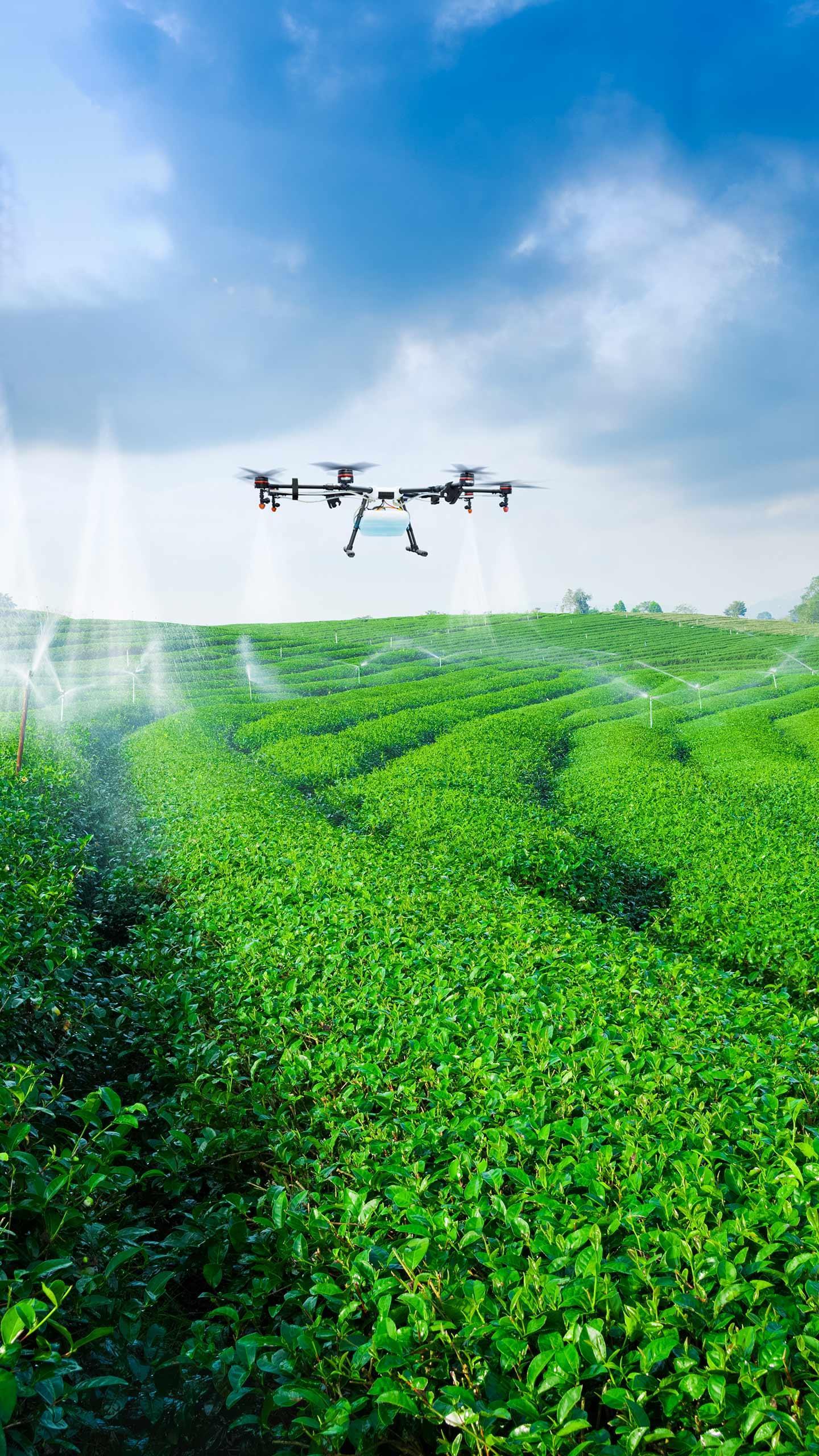
Congresswoman Zoe Lofgren Participates in AI Roundtable on Agriculture and Water Security

What's Happening?
Congresswoman Zoe Lofgren recently joined San José State University President Cynthia Teniente-Matson for a roundtable discussion at San José State University. The event brought together civic, academic,
agricultural, and technology leaders to explore the role of artificial intelligence (AI) in agriculture and water security. The discussion focused on the unique intersection of Silicon Valley and the Salinas Valley, both located within California's 18th Congressional District. Key topics included the adoption of AI in ag-tech, water management, infrastructure, and climate issues affecting the region. The roundtable also addressed the crucial need to develop a skilled workforce and an educational pipeline to support the growing ag-tech sector. Representatives from companies like Synopsys Inc. highlighted how their engineering simulation software is already assisting the agricultural industry in optimizing heavy machinery, designing indoor vertical farms, and improving crop management technologies.
Why It's Important?
This roundtable discussion is significant because it highlights the proactive efforts to integrate advanced technology, specifically AI, into critical sectors like agriculture and water management in the U.S. The convergence of Silicon Valley's technological prowess with the agricultural heartland of the Salinas Valley presents a unique opportunity for innovation. The focus on AI in ag-tech can lead to more efficient resource utilization, increased crop yields, and enhanced sustainability, which are vital for national food security and economic stability. Addressing water security through AI-driven solutions is particularly crucial for California, a state frequently impacted by droughts. Furthermore, the emphasis on creating a workforce and education pipeline underscores the long-term investment in human capital necessary to support these technological advancements. This initiative can foster economic growth, create new job opportunities, and ensure the U.S. remains at the forefront of agricultural innovation, benefiting both local communities and the broader national economy.
What's Next?
Following this roundtable, it is anticipated that Congresswoman Lofgren and other participants will continue to advocate for policies and funding that support the integration of AI in agriculture and water security. This could involve legislative initiatives aimed at promoting research and development in ag-tech, providing grants for educational programs focused on AI and agriculture, or incentivizing businesses to adopt these advanced technologies. The discussions are likely to lead to further collaborations between academic institutions, technology companies, and agricultural stakeholders to develop and implement practical AI solutions. There may also be efforts to establish pilot programs or demonstration projects to showcase the effectiveness of AI in addressing specific agricultural and water challenges in the region. The focus on workforce development suggests future initiatives to create specialized training programs and curricula to prepare students and existing workers for jobs in the evolving ag-tech landscape. The ongoing dialogue is expected to shape future public policy and private sector investments in these critical areas.
Beyond the Headlines
The integration of AI into agriculture and water security, as discussed in the roundtable, carries profound long-term implications beyond immediate economic benefits. Ethically, the increasing reliance on AI in agriculture raises questions about data privacy, algorithmic bias, and the potential impact on small farmers who may lack access to expensive technologies. There's a need to ensure that AI solutions are developed and deployed equitably, benefiting all segments of the agricultural community. Environmentally, AI can play a crucial role in sustainable farming practices, reducing water usage, optimizing pesticide application, and minimizing environmental footprints. However, the energy consumption of AI systems themselves needs to be considered to ensure overall environmental benefits. Culturally, the shift towards high-tech farming could alter traditional agricultural practices and the rural landscape, necessitating careful management of this transition to preserve community values and livelihoods. This development also highlights the growing interdependency between seemingly disparate sectors—technology and agriculture—signaling a future where cross-disciplinary innovation will be key to addressing complex societal challenges.