Representatives Thompson and Salinas Introduce Bipartisan Bill to Boost Mass Timber Production and Lower Housing Costs

What's Happening?
U.S. Representatives Glenn “GT” Thompson (R-Pa.) and Andrea Salinas (D-Ore.) have introduced the Mass Timber Growth and Innovation Act, a bipartisan legislative effort aimed at reducing housing construction
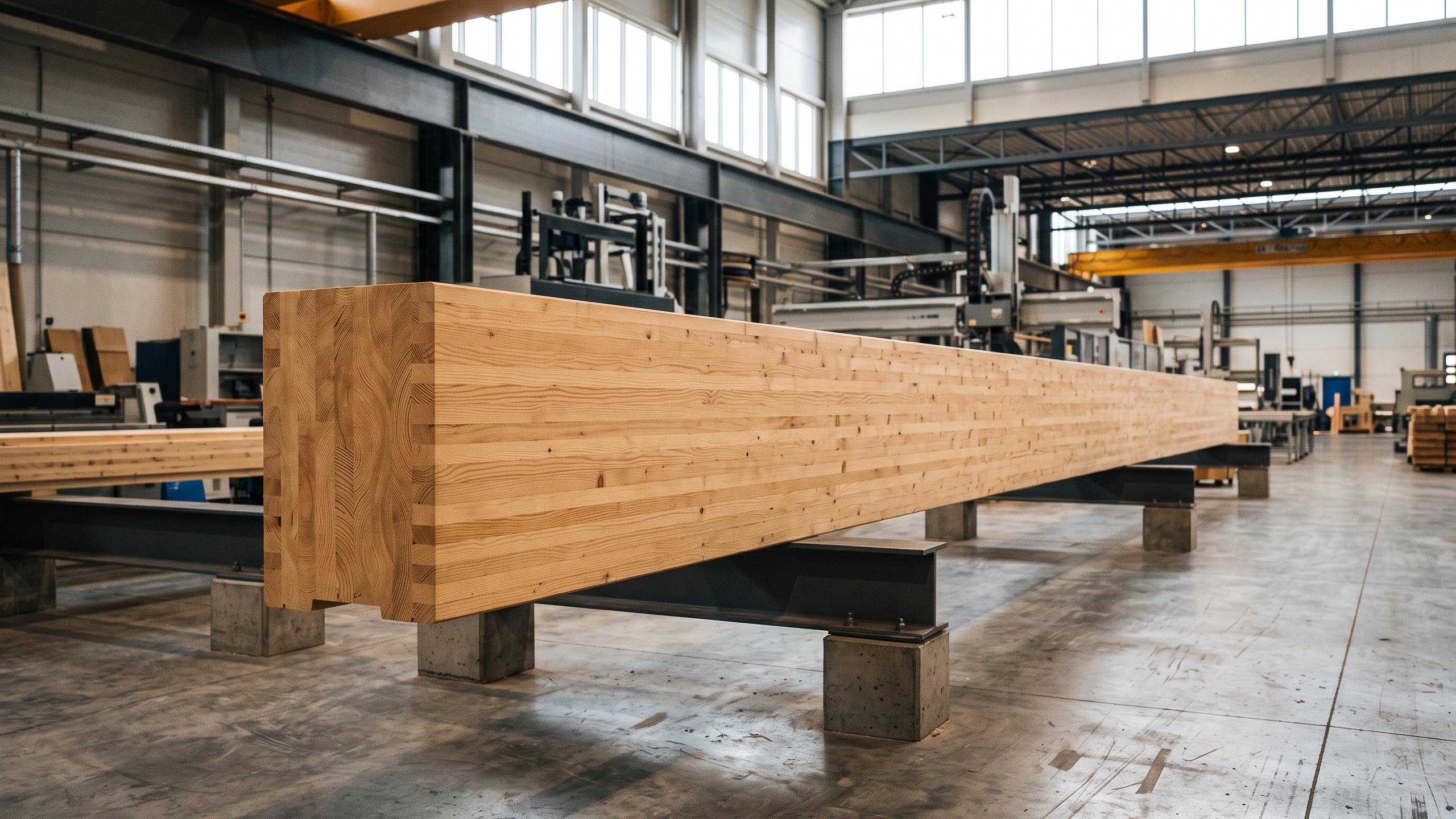
costs, strengthening American manufacturing, and creating jobs in rural communities. The proposed bill seeks to expand domestic production of mass timber, an innovative wood building material. Mass timber products are created by bonding or fastening layers of wood to form strong structural components like large panels and beams. These materials are particularly suitable for housing projects where traditional wood framing may be impractical or other construction materials uneconomical. The bill proposes a 10% tax credit for investments in mass timber manufacturing facilities, including machinery, equipment, and buildings, by integrating it into the existing Advanced Manufacturing Investment Credit. Additionally, it would establish a 20% credit for companies investing in mass timber research, covering new products and improved production methods. According to Representative Thompson, this initiative will strengthen the forest products industry and fund future research, driving innovation in timber usage.
Why It's Important?
This bipartisan legislation holds significant implications for the U.S. housing market and manufacturing sector. By incentivizing the domestic production of mass timber, the bill aims to address the rising costs of housing construction, a critical issue across the nation. Mass timber's ability to reduce construction timelines and costs could make homeownership more accessible for working families. For the American timber industry, particularly in regions like northern Pennsylvania and Oregon, the act promises to bolster manufacturing capabilities and create new job opportunities in rural areas. The tax credits for manufacturing facilities and research are designed to foster innovation and competitiveness within the wood products industry, potentially positioning the U.S. as a leader in advanced timber construction. This could also reduce reliance on more carbon-intensive building materials, aligning with broader environmental goals, though this aspect is not explicitly detailed in the source. The collaboration between Republican and Democratic representatives underscores a shared recognition of the economic and social benefits of supporting this emerging construction technology.
What's Next?
The Mass Timber Growth and Innovation Act will now proceed through the legislative process in Congress. Its future will depend on gaining further bipartisan support and navigating committee reviews and floor votes in both the House and Senate. If passed, the bill would trigger new investment in mass timber manufacturing facilities and research and development across the country. Manufacturers would likely begin assessing opportunities to utilize the proposed tax credits for new plant construction and equipment upgrades. Research institutions and companies would also be incentivized to explore new mass timber products and more efficient production methods. The success of the bill could lead to increased adoption of mass timber in construction projects, potentially altering building practices and supply chains within the housing sector. Stakeholders in the timber industry, construction companies, and housing advocates will likely monitor its progress closely, advocating for its passage to realize the promised benefits of lower housing costs and job creation.
Beyond the Headlines
The introduction of the Mass Timber Growth and Innovation Act signals a broader shift towards sustainable and efficient construction methods in the United States. Beyond the immediate economic benefits of job creation and reduced housing costs, this legislation could catalyze a significant transformation in the construction industry's environmental footprint. Mass timber, as a renewable resource, offers a lower carbon alternative to traditional materials like concrete and steel, which are energy-intensive to produce. This move could align with national efforts to combat climate change by promoting more sustainable building practices. Furthermore, the emphasis on domestic production could enhance national supply chain resilience, reducing dependence on foreign materials and bolstering local economies. The bill also highlights the potential for technological innovation within traditional industries, demonstrating how advanced manufacturing techniques can revitalize sectors like timber. This legislative push could set a precedent for future policies that integrate economic development with environmental sustainability and technological advancement in other sectors.