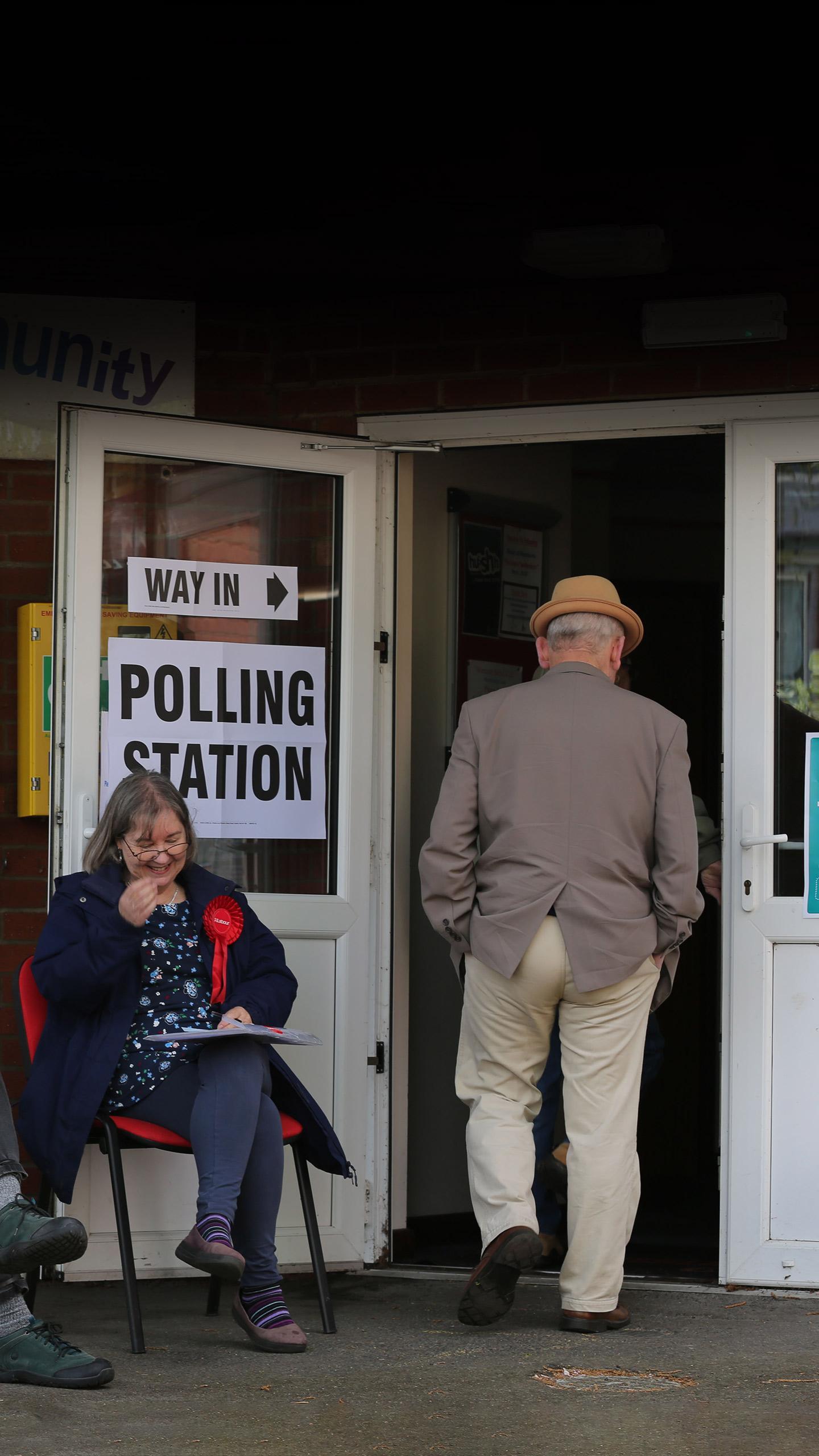
Galveston County Faces Legal Challenges Over Mid-Cycle Redistricting Affecting Voter Representation

What's Happening?
Galveston County is embroiled in legal disputes after redrawing local precinct lines between the primary and general elections this year. This decision could result in some voters participating in general election contests
for which they had no say in the primary. Election experts are unaware of any prior instance of such mid-cycle redistricting. The county's latest changes are adding complexity to an ongoing lawsuit concerning maps adopted in 2021. Voting rights advocates argue that the new maps could further diminish Black and Latino voting power within the county. In 2021, county leaders openly stated their goal was to create lines favorable to a Republican majority on the commissioners court. This led to a federal lawsuit by voting rights groups and the U.S. Department of Justice, claiming the 2021 map was unconstitutional and violated the Voting Rights Act by eliminating the only majority-minority commissioners court precinct. That case remains pending. In June, commissioners voted to redraw precinct boundaries again for commissioners, constables, and justices of the peace, citing partisan objectives. This prompted another lawsuit, filed on behalf of three county residents in Texas state courts, alleging the mid-primary-to-general election redistricting violates state and federal laws. This case is now before the Texas Supreme Court.
Why It's Important?
This situation in Galveston County is significant as it challenges established norms of electoral processes and could set a dangerous precedent for future elections across the U.S. The move to redraw precinct lines between a primary and general election is unprecedented, raising questions about voter equality and access. If allowed to stand, it could enable other jurisdictions to manipulate electoral boundaries mid-cycle, potentially disenfranchising voters and undermining democratic principles. The legal battles highlight the ongoing struggle over voting rights and the impact of redistricting on minority representation. The county's stated partisan aims in redrawing maps underscore concerns about gerrymandering and its potential to dilute the voting power of specific demographic groups. The outcome of these lawsuits, particularly the decision by the Texas Supreme Court, will have broad implications for how redistricting is conducted and challenged in the future, potentially influencing election integrity and voter confidence nationwide.
What's Next?
The immediate next step is a decision from the Texas Supreme Court regarding the legality of Galveston County's mid-cycle redistricting. The court could request additional information or rule based on the existing record. Concurrently, the federal lawsuit challenging the 2021 map remains active, with U.S. District Court Judge Jeffrey Brown having rejected the county's argument that the new maps rendered the 2021 lawsuit moot. Election officials face a deadline of September 19 to mail ballots to military and overseas voters, requiring clarity on precinct assignments. The shifting boundaries have already caused confusion among voters regarding their candidates and districts. Depending on court rulings, the boundaries could shift again, further complicating the electoral process. If the courts do not intervene, there is a possibility that other jurisdictions could attempt similar mid-cycle redistricting, potentially setting a new and concerning precedent for U.S. elections.
Beyond the Headlines
The Galveston County redistricting controversy delves into deeper issues concerning the integrity of the electoral process and the balance of power in local governance. The timing of the redistricting, described by a federal judge as 'highly suspicious,' suggests a strategic maneuver to influence election outcomes and potentially circumvent legal challenges. This situation highlights the ethical implications of partisan redistricting, where political advantage appears to supersede fair representation. The weakening of Section 2 of the Voting Rights Act, as noted by experts, creates a higher bar for proving intentional discrimination, potentially emboldening jurisdictions to pursue such aggressive redistricting tactics. This case could serve as a critical test of how courts interpret and enforce voting rights in an environment where legal protections for minority voters are being re-evaluated. The long-term shift could be towards more frequent and aggressive redistricting efforts, making it harder for voters to understand their representation and for minority groups to achieve equitable political power.