Fix Our Forests Act Aims to Accelerate Forest Treatment and Reduce Wildfire Risks

What's Happening?
Congress is considering the Fix Our Forests Act, legislation designed to enhance the pace and scale of forest treatments and reduce delays for projects addressing wildfire risks, hazardous fuels, insects,
and disease. The U.S. Forest Service (USFS) manages over 193 million acres of forests and grasslands, with nearly half identified as high wildfire hazard areas or suffering from insect and disease impacts. Federal policies and litigation have historically restricted timber harvest and vegetation management on national forests. The proposed act seeks to provide federal agencies with more authority, foster local partnerships, and improve post-fire rehabilitation efforts. The House of Representatives passed its version (H.R. 471) in January 2025, and the Senate Agriculture Committee approved its version (S. 1462) in October 2025. Both versions aim to expedite environmental assessments and deter frivolous litigation, while expanding cooperative tools like Good Neighbor Authority and Stewardship Contracting.
Why It's Important?
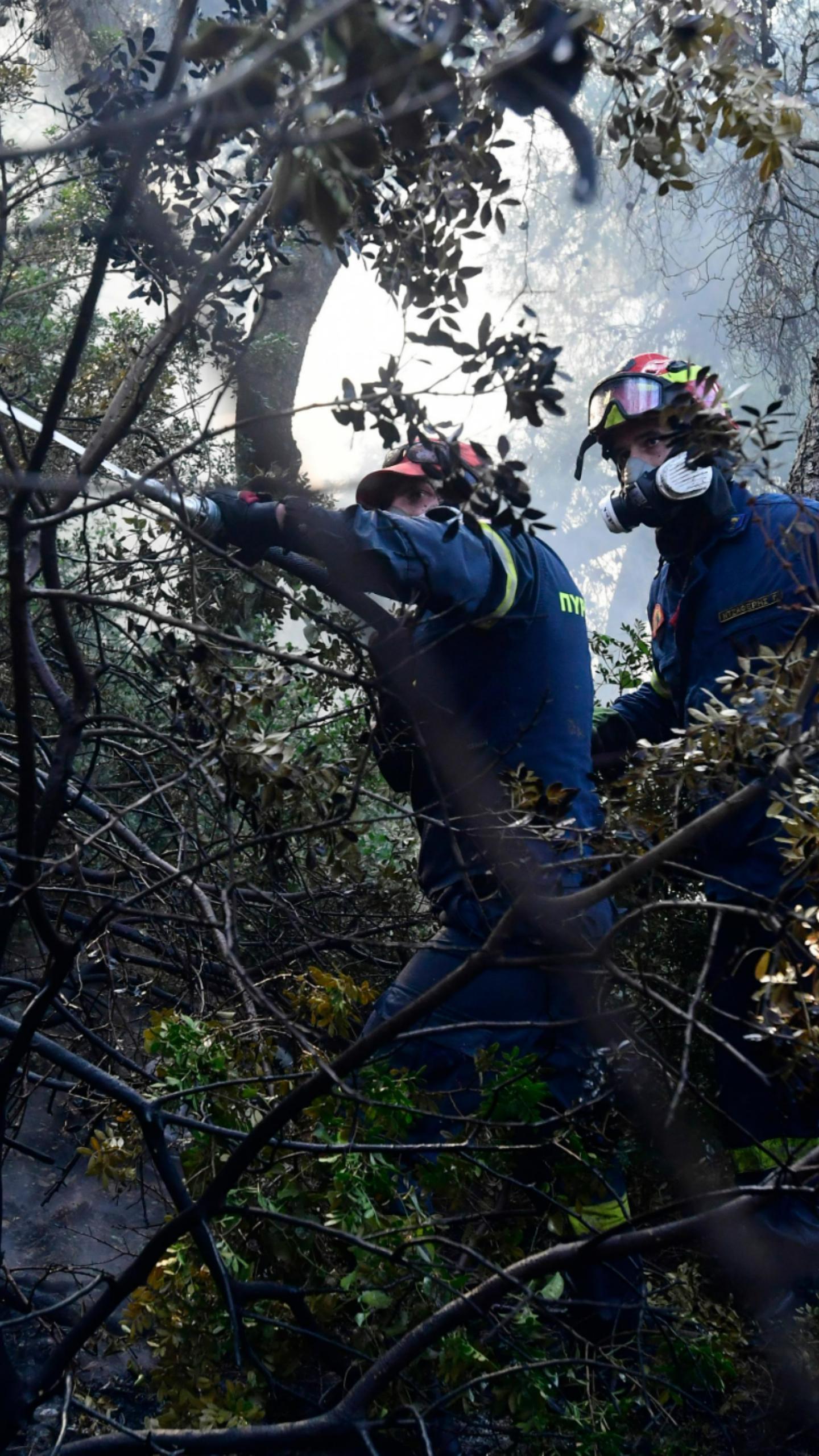
The Fix Our Forests Act is critical for addressing the escalating wildfire crisis and improving the health of U.S. national forests. Decades of restricted forest management have led to overgrown federal lands with heavy fuel loads, increasing the risk of catastrophic wildfires. These fires not only destroy homes and grazing lands but also impact water infrastructure, wildlife, and air quality, causing significant economic and environmental damage to rural communities. The legislation's focus on increasing timber harvest and active forest management aligns with the National Active Forest Management Strategy, which aims to boost timber volume by 25% to 4 billion board feet annually by fiscal year 2028. This increase would benefit both forest health and the U.S. timber industry. By streamlining project approvals and fostering collaboration, the act seeks to proactively mitigate fire risks rather than solely focusing on post-fire response, which has historically consumed the majority of wildfire-specific funds.
What's Next?
The Fix Our Forests Act now awaits action in the full Senate, following its approval by the Senate Agriculture Committee. While the House and Senate versions have some differences, their fundamental approach to landscape-scale wildfire prevention, expedited environmental assessments, and expanded local cooperative tools remains consistent. The Congressional Budget Office (CBO) estimates the Senate's version would cost $27 million over the next decade, primarily from the new White Oak Initiative. Larger budgetary effects, subject to appropriations, include $80 million per year for the Collaborative Forest Landscape Restoration Program and $90 million per year for the Joint Chiefs’ Landscape Restoration Partnership. Farmers, ranchers, and rural communities are urging reconciliation of the House and Senate bills to send a unified piece of legislation to the White House, followed by necessary appropriations to implement its provisions.
Beyond the Headlines
The debate surrounding the Fix Our Forests Act highlights a long-standing tension between environmental protection and active resource management. While some advocate for minimal human intervention in forests, proponents of this act argue that decades of such policies have inadvertently contributed to the current wildfire crisis by allowing fuel loads to accumulate. The legislation's emphasis on 'active stewardship' suggests a paradigm shift towards a more interventionist approach, recognizing that human-induced climate change and historical land use practices necessitate proactive management. This also touches upon the economic revitalization of forest-dependent communities, as increased timber harvesting could create jobs and stimulate local economies. The act's success will depend not only on its passage but also on effective implementation, balancing ecological needs with economic realities and ensuring that expedited processes do not compromise thorough environmental review.