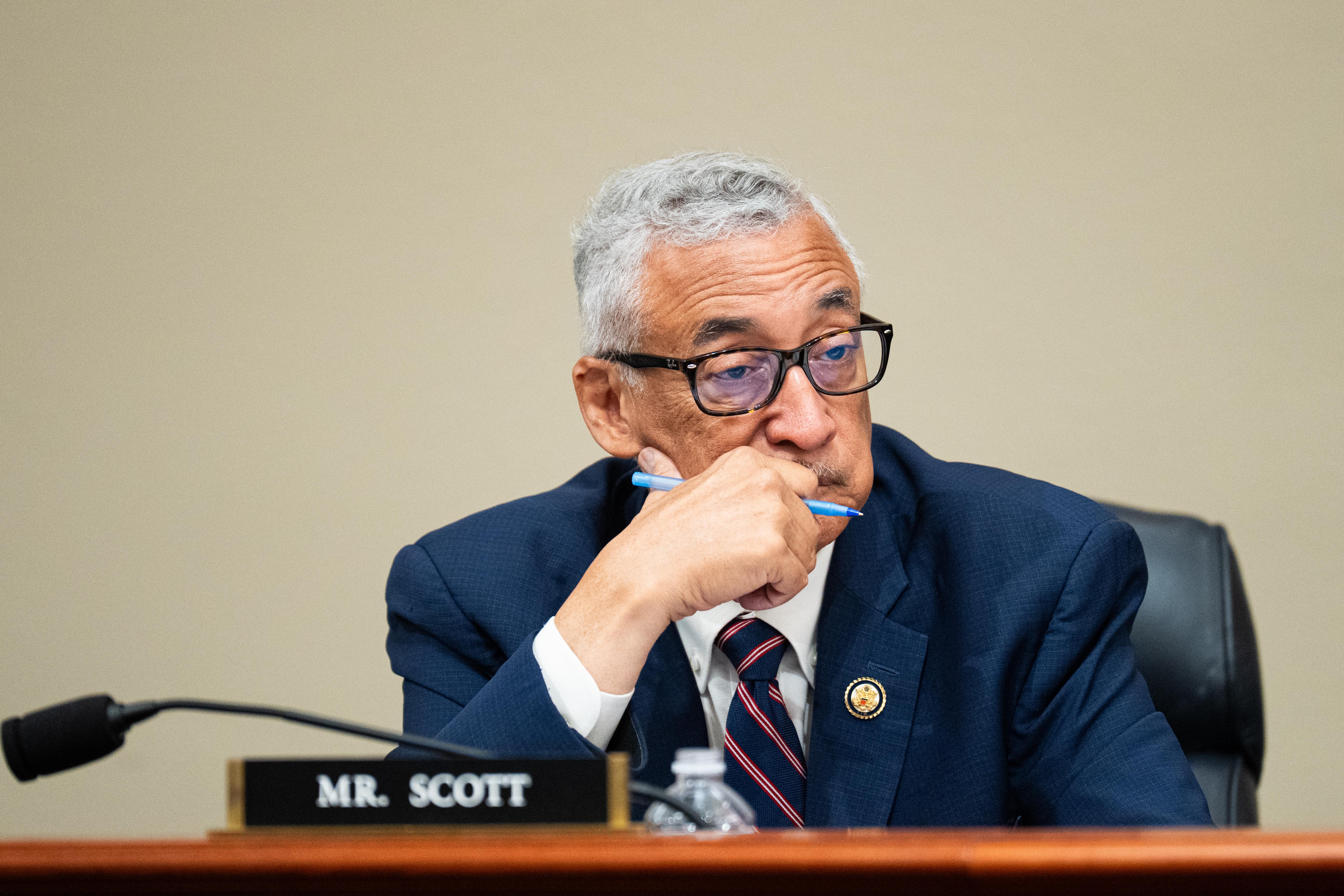
Representative Tom Suozzi's Stock Trades Tracked Amidst Congressional Scrutiny

What's Happening?
U.S. Representative Tom Suozzi, a Democrat representing New York's 3rd congressional district since 2017, has had his stock market activities meticulously tracked. This tracking includes his recent trades,
investment patterns, and portfolio holdings, with data sourced from mandatory STOCK Act disclosures filed within 45 days of each transaction. As of November 7, 2026, Suozzi has disclosed 248 trades across 95 unique tickers since November 16, 2020. The most recent filing was on June 10, 2026. The stocks involved in these trades have shown an average move of +60.4% from the trade price to the current market price across 205 trades. AMD, AAPL, and CVS have been his most frequently traded tickers, collectively accounting for approximately 11% of all his filings. These repeat positions often indicate sustained conviction in specific sectors or stocks.
Why It's Important?
The tracking of congressional stock trades, including those of Representative Suozzi, is significant for retail investors as it offers insights into how legislative access and political influence might intersect with stock market decisions. Members of Congress often have access to high-level information regarding pending legislation, regulatory actions, and committee hearings that can directly impact various industries. Analyzing the patterns in their disclosed trades—such as which sectors they invest in, which they divest from, and the timing of these actions—can provide signals to retail investors about potential market trends and where political and market interests may align. This transparency, mandated by the STOCK Act, aims to prevent insider trading and ensure public trust in government officials' financial dealings, though it also creates a unique data set for market observation.
What's Next?
The ongoing tracking of Representative Suozzi's stock trades will continue to provide real-time data for public scrutiny and analysis. Future disclosures under the STOCK Act will be monitored, offering updated insights into his investment strategies and potential market interests. Retail investors and financial analysts will likely continue to observe these patterns, especially in relation to upcoming legislative sessions, committee assignments, and any new policy discussions that could affect specific industries or companies. Any significant shifts in his portfolio or increased activity in particular sectors could prompt further examination by the public and financial watchdogs, potentially influencing investment decisions or raising questions about the intersection of public service and personal finance.
Beyond the Headlines
The practice of tracking congressional stock trades extends beyond mere financial data; it touches upon broader ethical and governance considerations. While the STOCK Act aims to promote transparency, the very existence of such tracking highlights persistent concerns about potential conflicts of interest and the use of non-public information for personal gain by elected officials. The detailed analysis of trading patterns, such as Suozzi's frequent engagement with specific tech and healthcare stocks, can spark debates about the adequacy of current regulations and whether more stringent rules, such as blind trusts or outright bans on individual stock trading for members of Congress, are necessary to maintain public confidence. This ongoing scrutiny underscores the delicate balance between personal financial freedom and the ethical obligations of public office.