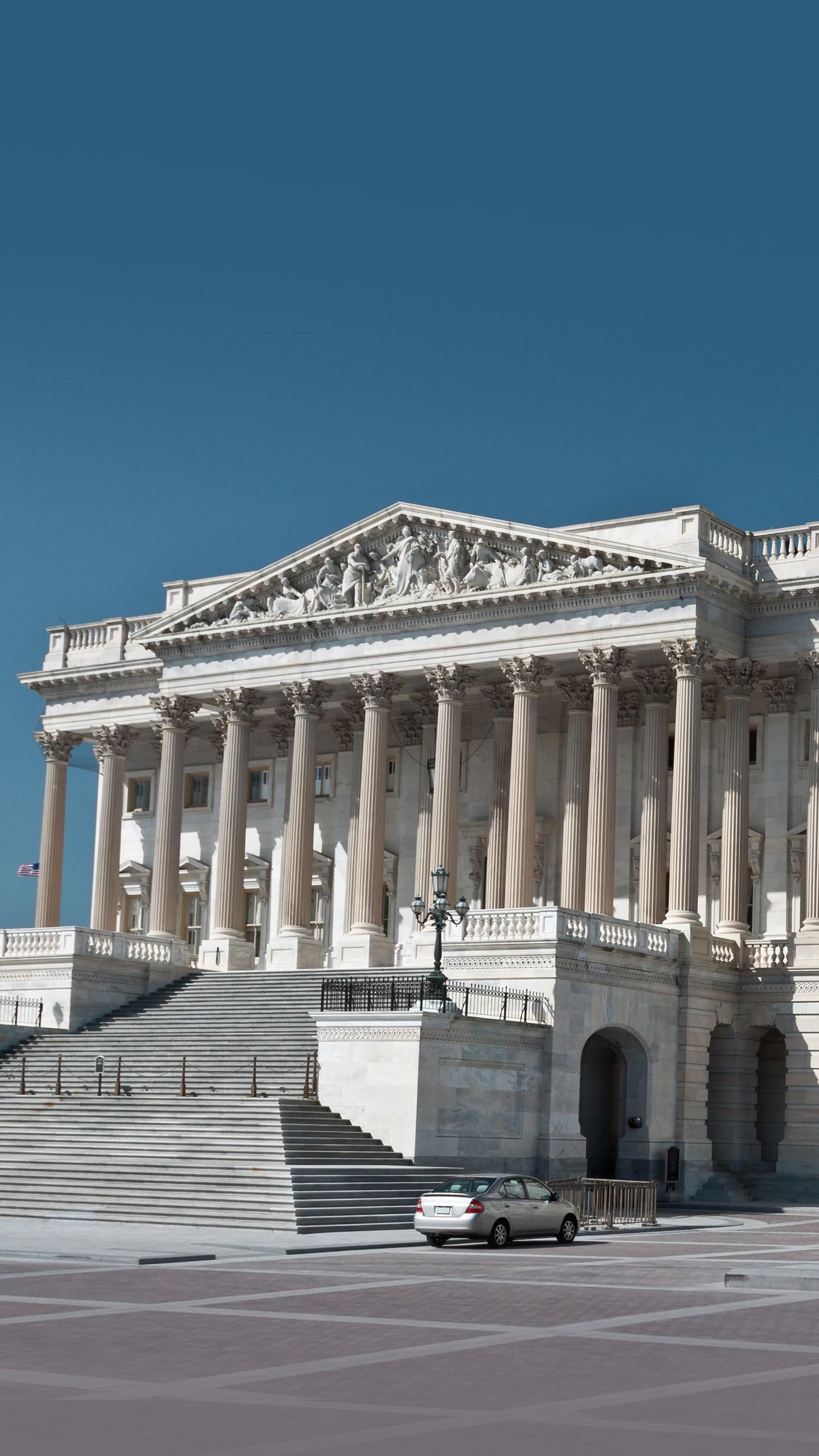
U.S. Senate Committee Advances JAWBONE Act and Other Key Legislation

What's Happening?
The U.S. Senate Committee on Commerce, Science, and Transportation has advanced nine bills and Coast Guard promotions during a recent Executive Session. Among the legislation moved forward by roll call
vote was S. 4749, the JAWBONE Act, as amended by the Cruz substitute, which passed with 18 yeas and 10 nays. This bill, introduced by Chairman Ted Cruz (R-Texas) and Senator Ron Wyden, aims to protect First Amendment rights by providing a private right of action against coercive governmental threats made to broadcasters, social media, or similar tech companies. Other bills advanced by voice vote include the Virginia Graeme Baker Pool and Spa Safety Reauthorization Act, the Air Traffic Situational Awareness Enhancement Act, the Regional Great Lakes Partnership Act of 2026, the Bycatch Reduction Act, the ITS Codification Act, the Muhammad Ali American Boxing Revival Act of 2026, the Runway SAFE-T Act, and the Mystic Alerts Act. The committee also advanced Coast Guard promotions.
Why It's Important?
The advancement of these bills signifies significant legislative movement across various sectors, impacting U.S. citizens and industries. The JAWBONE Act is particularly important for its potential to reshape the landscape of free speech and government interaction with tech platforms, offering a new legal avenue for those who believe their First Amendment rights have been infringed upon by government coercion. This could have profound implications for social media companies and news organizations, potentially altering how content moderation policies are influenced. Other legislation addresses critical safety concerns, such as the Virginia Graeme Baker Pool and Spa Safety Reauthorization Act, which aims to prevent child drownings, and the Runway SAFE-T Act, designed to improve aviation safety following recent near-miss incidents. The Muhammad Ali American Boxing Revival Act seeks to revitalize the sport of boxing by establishing a central authority, potentially boosting a struggling U.S. industry. These legislative efforts collectively demonstrate a broad focus on consumer protection, environmental stewardship, and economic development.
What's Next?
The advanced bills, including the JAWBONE Act, will now proceed to the Senate floor for further consideration and potential votes. The legislative process will involve debates, possible amendments, and ultimately, a vote by the full Senate. If passed by the Senate, these bills would then move to the House of Representatives for their review and vote before potentially being sent to the President for signature into law. Stakeholders, including civil liberties advocates, tech companies, sports organizations, and various industry groups, will likely continue to monitor and lobby for or against specific provisions as the bills progress. The JAWBONE Act, in particular, is expected to face scrutiny regarding its implementation and potential impact on government efforts to combat misinformation or foreign interference. The Coast Guard promotions will also proceed through the necessary confirmation processes.
Beyond the Headlines
The JAWBONE Act's focus on governmental 'jawboning' highlights a growing concern about the subtle pressures governments can exert on private entities to suppress speech, even without direct censorship. This legislation delves into the ethical and legal boundaries of government influence in the digital age, particularly concerning platforms that have become de facto public squares. The bill's provision for a private right of action could set a precedent for how individuals and organizations challenge perceived governmental overreach in speech regulation. Furthermore, the diverse range of bills, from boxing reform to aviation safety and environmental protection, underscores the multifaceted responsibilities of the Commerce Committee. The inclusion of the Muhammad Ali American Boxing Revival Act also touches upon the cultural significance of sports and the role of legislation in preserving and promoting national pastimes, reflecting a broader societal interest in the integrity and future of professional sports.