New grand jury subpoenas being sent in investigation targeting Trump-Russia probe, AP sources say

WASHINGTON (AP) — The Justice Department is demanding testimony before a Florida grand jury in an investigation aiming to establish an intelligence community conspiracy against President Donald Trump,
according to multiple people familiar with the matter.
New subpoenas being issued to former government officials represent an escalation in the year-long investigation as the Justice Department pursues a loosely defined theory that members of the intelligence community who scrutinized Trump over the last decade, including over Russian interference in the 2016 election, conspired against him and violated his rights.
Investigators in recent days contacted some defense lawyers for witnesses advising them of forthcoming grand jury subpoenas. It was not clear how many, as of Tuesday, had received a subpoena or were still waiting to receive one, and the identities of the witnesses receiving subpoenas were also not immediately clear. The people who confirmed the subpoenas spoke on condition of anonymity to discuss a secretive grand jury investigation.
The investigation has focused in large part on the Trump-Russia probe
The contours of the conspiracy investigation aren't fully known, but agents and prosecutors over the last several months have focused intensely on one of Trump's chief grievances: the U.S. government response to Russian interference in 2016 and an intelligence community assessment that Moscow meddled on Trump's behalf at the direction of Russian President Vladimir Putin.
Trump, who spent much of his first term shadowed by an investigation into whether his campaign colluded with Russia to sway the outcome of the election, has for years lashed out at the intelligence community finding and cast it as a “deep state” conspiracy to undermine the legitimacy of his win.
Investigators searching for potential crimes in connection with the intelligence community response have conducted numerous voluntary interviews, but the subpoenas prepared for witnesses in recent days represent an apparent effort to lock down sworn testimony before a grand jury.
It remains unclear whether anyone will be charged or for what offense, though lawyers for former CIA Director John Brennan have said they have been informed that he is a target as investigators examine whether he falsely testified to Congress — something he has repeatedly denied. The Justice Department last spring subpoenaed witnesses before a Washington grand jury as part of an investigation into Brennan, but swiftly withdrew the subpoenas in favor of voluntary interviews.
The investigation is being run out of Florida, with the Justice Department in April bringing back into government service a top prosecutor from the Reagan administration, Joe diGenova, to serve as a counselor to the attorney general and help lead a team of agents and prosecutors.
diGenova, who had previously asked then-Attorney General Pam Bondi to appoint him to the job and has openly and repeatedly claimed Trump was the victim of an intelligence community conspiracy, declined to comment Wednesday when reached by The Associated Press.
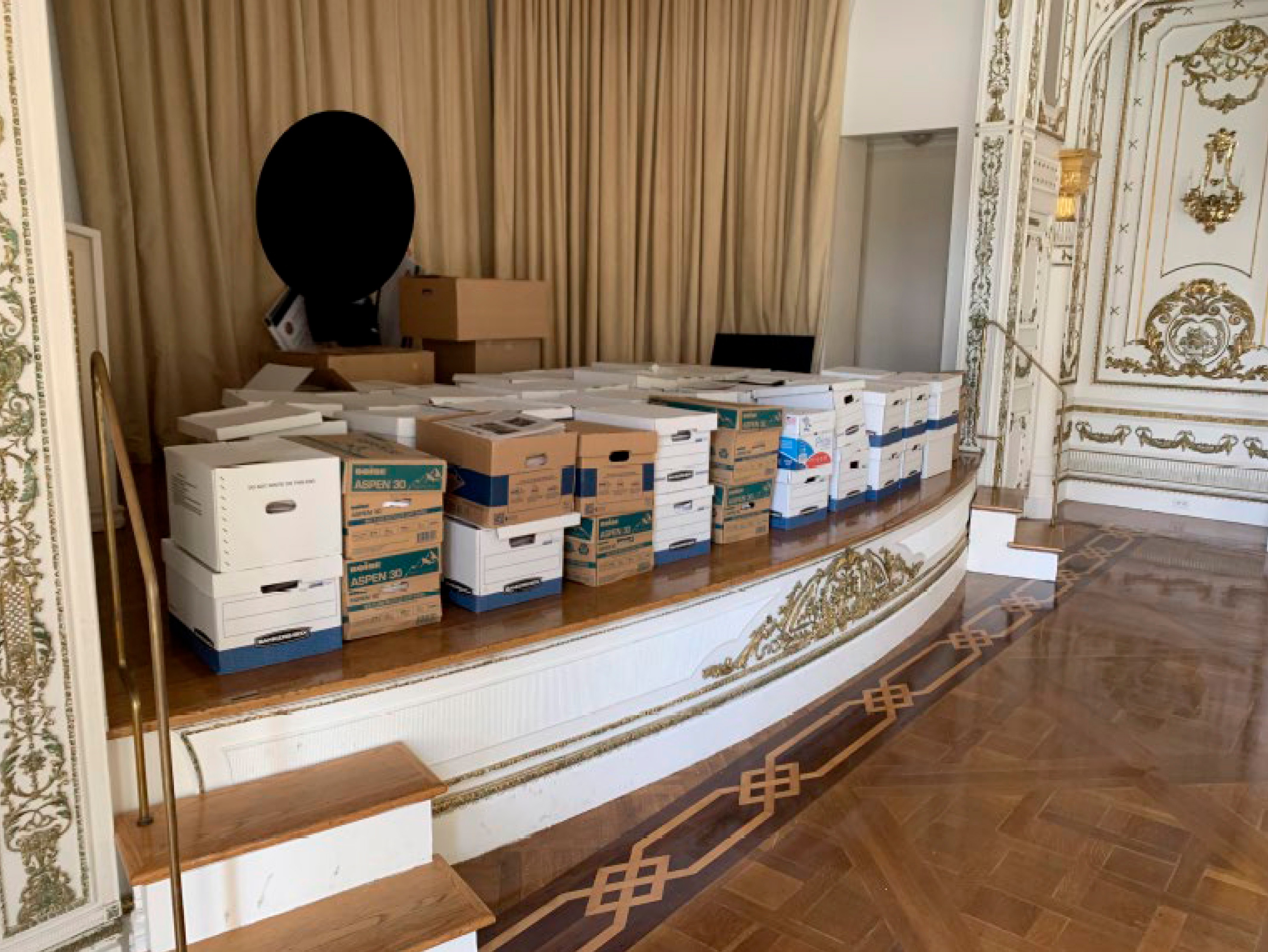
In an indication of the wide-ranging nature of the investigation, the AP reported last month that diGenova's team has sought interviews with law enforcement officials involved in the 2022 FBI search of Trump’s Mar-a-Lago property in Palm Beach, Florida, which recovered a trove of classified documents.
Concerns from defense lawyers about a ‘favored’ judge
Investigators have set up shop in Fort Pierce, Florida, the home court of U.S. District Judge Aileen Cannon, the Trump-appointed jurist who repeatedly appeared skeptical of the classified documents case against him and ultimately dismissed it after concluding that the prosecutor who filed the charges was illegally appointed.
Lawyers for Brennan last year asked the chief judge of the federal court in Florida to prevent the investigation from being steered to Cannon, whom they described as a “favored” Trump judge. They have since sued the Trump administration, demanding a court order requiring prosecutors to preserve records from the investigation so that Brennan could challenge any potential prosecution of him as vindictive.
Trump came to office in 2017 under scrutiny from the intelligence and law enforcement community about whether his successful campaign had colluded with Russia, which stole politically damaging Democratic emails and orchestrated their release through WikiLeaks as part of a wide-ranging interference scheme.
The FBI and Justice Department investigated but found insufficient evidence to prove a criminal conspiracy between Russia and the Trump campaign, though it did find the campaign eagerly hoped to benefit from Moscow’s help.
Subsequent investigations by an inspector general and Justice Department prosecutors identified errors by agents who conducted the Russia probe but found no evidence of criminal wrongdoing by senior law enforcement officials nor an anti-Trump conspiracy like what prosecutors are now hoping to prove.
Deeply frustrated by those outcomes, Trump has amplified his demands for retribution, which the Justice Department heeded last year by directing that prosecutors utilize a grand jury. Last year, Bondi directed prosecutors to put evidence before a grand jury following the release of documents aimed at calling into question the legitimacy of the Trump-Russia inquiry.