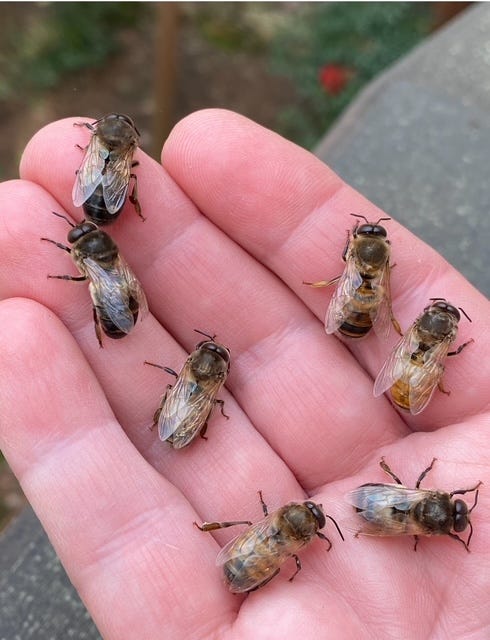
Hotter weather leaves honey bees less time to make honey | Exclusive

September is National Honey Month, a national campaign to encourage the celebration of the sweet staple. But the impact of climate change is affecting honey production in multiple ways.
Climate change is
affecting honey bees' health, behavior, and food availability in Georgia and South Carolina, according to the U.S Department of Agriculture.
More: See how climate change is altering the rhythms of Georgia wildlife
Climate change raises global temperatures, causes sea level to rise, and intensifies droughts and flooding. Those changes affect water resources, energy systems, transportation, wildlife, agriculture, ecosystems, and human health, according to the National Oceanic and Atmospheric Administration.
Here are some of the most significant ways climate change affects honey bees, according to the USDA, the University of Georgia, and other experts:
Hotter temperatures
High temperatures can alter how honey bees behave and forage, according to the USDA. During extreme heat, bees often reduce foraging activity during the hottest parts of the day. They also must spend more energy cooling their hives, leaving fewer resources available for honey production and pollination.
Earlier springs
One of the biggest concerns for pollinators is a phenomenon known as a "phenological mismatch." Warmer temperatures can cause plants to bloom earlier than usual. If pollinators are not active when those flowers bloom, bees may miss important food sources.
Earlier blooming periods can reduce food availability when pollinators and plants become out of sync, according to the USDA. Beekeeping experts also report that shifting flowering seasons are disrupting traditional foraging patterns and affecting honey production.
Honey bees depend on nectar-producing flowers for food, according to the USDA. During drought conditions, many plants conserve water by producing less nectar. That means fewer food resources for bees and other pollinators. The Southeast has experienced periods of extreme heat and drought in recent years, raising concerns about forage quality for managed honey bees and native pollinators. Reduced nectar supplies can negatively affect pollinator health and reproduction.
Climate change is increasing the intensity of heavy rainfall events across the Southeast. Honey bees cannot forage effectively during prolonged periods of rain, reducing the amount of nectar and pollen they can collect. Extreme rainfall can significantly limit the number of hours pollinators are able to fly and gather resources, according to the USDA.
The issue is particularly relevant in coastal South Carolina and eastern Georgia, where tropical storms and hurricanes can damage forage plants, flood apiaries, and disrupt pollination cycles.
Warmer winters
Climate change can also affect honey bees indirectly by helping certain pests survive and spread. Milder winters may increase the survival of Varroa mites, one of the most destructive threats facing managed honey bee colonies. According to USDA researchers, warmer autumns and winters can alter colony dynamics and contribute to colony stress and losses.
This reporting content is supported by a partnership with Journalism Funding Partners.
Erica Van Buren is the climate change reporter for The Augusta Chronicle, part of the USA TODAY Network. Connect with her at EVanBuren@usatodayco.com or on X: @EricaVanBuren32.