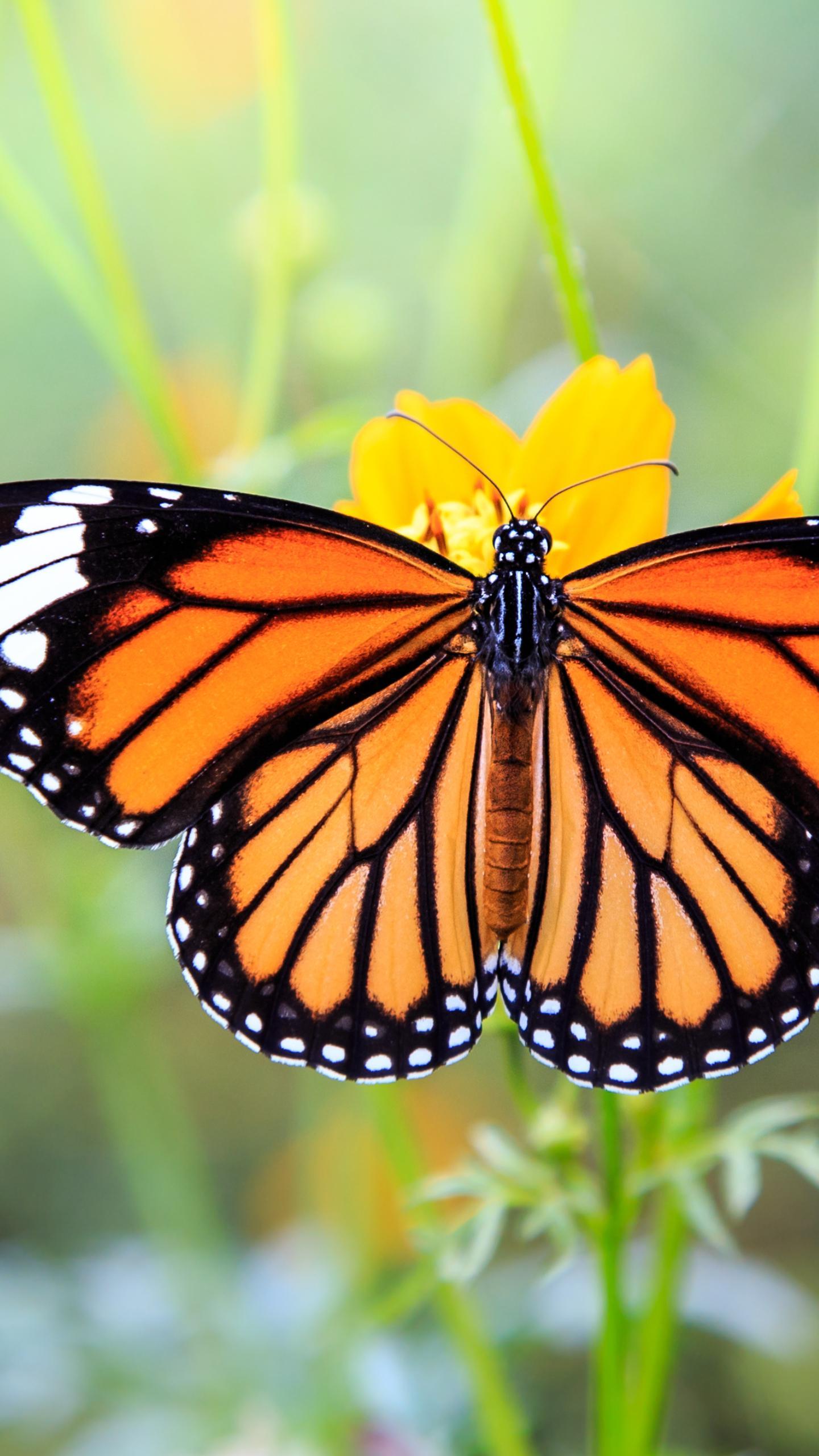
States Aid Monarch Butterfly Migration with Roadside Habitats

What's Happening?
Eastern monarch butterflies have begun their annual 2,000-mile migration south through the central U.S. to overwinter in Mexico. States are actively assisting this migration by planting milkweed and native
plant habitats along roadways. This initiative stems from a significant decline in monarch populations, which reached a record low in 2013, with their overwintering grounds in Mexico shrinking from 50 square acres to fewer than three. The Obama administration formed a task force to address this decline, leading to the idea of creating monarch habitats along interstate highways. While the initial "Monarch Highway" project along I-35 faced funding and priority challenges, states like Illinois, Missouri, and Iowa have independently embraced the concept. Illinois, whose official state insect is the monarch, has established the Route 66 Monarch Flyway, and Missouri has the Highway 13 Butterfly Trail. Iowa has been reintroducing native plants along roadsides for decades, providing crucial habitat for butterflies and other pollinators.
Why It's Important?
The efforts by U.S. states to create roadside habitats are crucial for the survival of the eastern monarch butterfly, a species facing significant threats, including habitat loss and climate change. The monarch migration is a natural phenomenon of immense ecological importance, and its decline signals broader environmental health issues. By planting milkweed and native wildflowers, states are providing essential food sources and resting spots for monarchs, which are vital for their successful migration and reproduction. This initiative also highlights a shift in roadside management practices, moving from costly mowing and herbicide use to more environmentally friendly and cost-effective native plant reintroduction. This approach benefits not only monarchs but also other pollinators, contributing to biodiversity and ecosystem health, which are critical for agriculture and natural landscapes across the U.S.
What's Next?
The continued success of the monarch migration will depend on the expansion and maintenance of these roadside habitats and other conservation efforts. Experts emphasize that providing areas for monarchs to eat, rest, and lay eggs significantly increases their chances of completing their arduous journey. Future efforts may involve more coordinated interstate initiatives, increased public awareness, and continued funding for native plant restoration projects. The long-term impact of climate change on monarch populations remains a concern, necessitating ongoing research and adaptive conservation strategies. The success of state-led initiatives could serve as a model for other regions and species facing similar ecological challenges, demonstrating the effectiveness of localized, collaborative conservation efforts.
Beyond the Headlines
The monarch butterfly's plight and the conservation efforts to save it underscore the interconnectedness of ecosystems and the impact of human activities on wildlife. The shift in roadside management reflects a growing understanding of ecological landscaping and its benefits beyond aesthetics, including reduced maintenance costs and enhanced biodiversity. This movement also highlights the power of citizen science and local community involvement, as many groups and individuals contribute to planting pollinator gardens. The monarch's journey across multiple states and into Mexico also emphasizes the need for international cooperation in conservation, as the species' survival depends on habitat protection across its entire migratory path. The story of the monarch serves as a poignant reminder of the fragility of natural systems and the importance of proactive conservation.