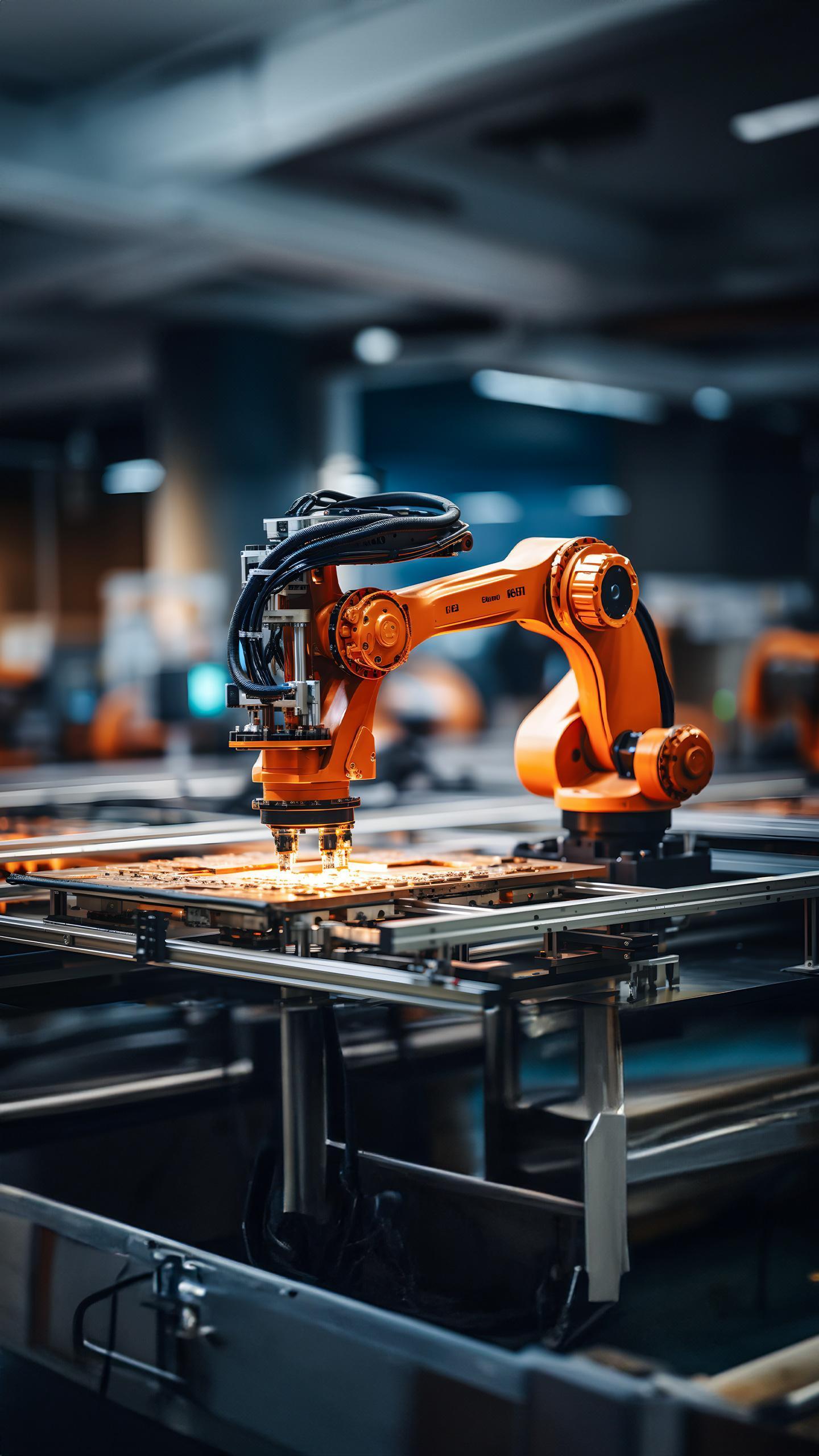
Intel Expands U.S. Semiconductor Manufacturing with Ohio and Arizona Facilities

What's Happening?
Intel is significantly expanding its domestic semiconductor manufacturing capabilities with ongoing progress at its Ohio One semiconductor fab and the installation of new tools at its Arizona Fab 62. This
strategic move signals Intel's commitment to boosting U.S. chip production. The expansion aims to reduce the nation's heavy reliance on foreign supply chains, particularly given that 80% of global chip production is concentrated in Asia. Intel's investment is seen as a critical step in re-claiming a share of the semiconductor market for the U.S., aligning with national security and economic strategy objectives. The company views this expansion as an opportunity to lead in next-generation chip technology and strengthen its market position against competitors like TSMC and Samsung.
Why It's Important?
This expansion is crucial for the U.S. economy and national security. A robust domestic chip industry provides leverage in trade negotiations and mitigates the risks of supply chain disruptions, which have previously caused significant economic turmoil. The investment is expected to create thousands of jobs, ranging from construction to high-tech engineering roles, and generate a ripple effect on local economies. By increasing domestic production, the U.S. aims to attract more tech companies to design stateside, fostering innovation and boosting the overall tech economy. For Intel, this move is a strategic effort to revitalize its market position, enabling it to compete more effectively in the rapidly evolving semiconductor landscape and potentially regain its leadership in advanced chip manufacturing.
What's Next?
Intel's strategic expansions are expected to continue, with ongoing construction and tool installation at its Ohio and Arizona facilities. The increased domestic chip production will likely lead to a more stable supply for tech companies, potentially stabilizing prices and accelerating the availability of new gadgets. The U.S. government, which has a significant stake in Intel and supports re-shoring chip manufacturing, will likely continue to back such initiatives. The long-term impact includes a potential shift in global power dynamics within the tech industry, as a reliable U.S. chip supply could reduce dependence on traditional chip-producing regions. Investors and industry observers will closely monitor Intel's progress and the broader implications for U.S. economic strength and security.
Beyond the Headlines
Intel's manufacturing expansion represents more than just new factories; it's a foundational shift in the U.S.'s approach to technological self-reliance. The effort to rebuild a comprehensive semiconductor ecosystem in the U.S. is a generational task, requiring not only significant capital investment but also the development of specialized skills, an intricate network of suppliers, and collaborative innovation. The complexity of semiconductor manufacturing, involving highly specialized equipment and accumulated process knowledge, means that simply relocating factories is insufficient. This initiative highlights the need for sustained commitment beyond short-term political cycles to foster an environment where the entire supply chain, from materials to advanced machinery, can thrive domestically. The success of this endeavor will redefine the U.S.'s role in the global tech landscape and its capacity for future innovation.