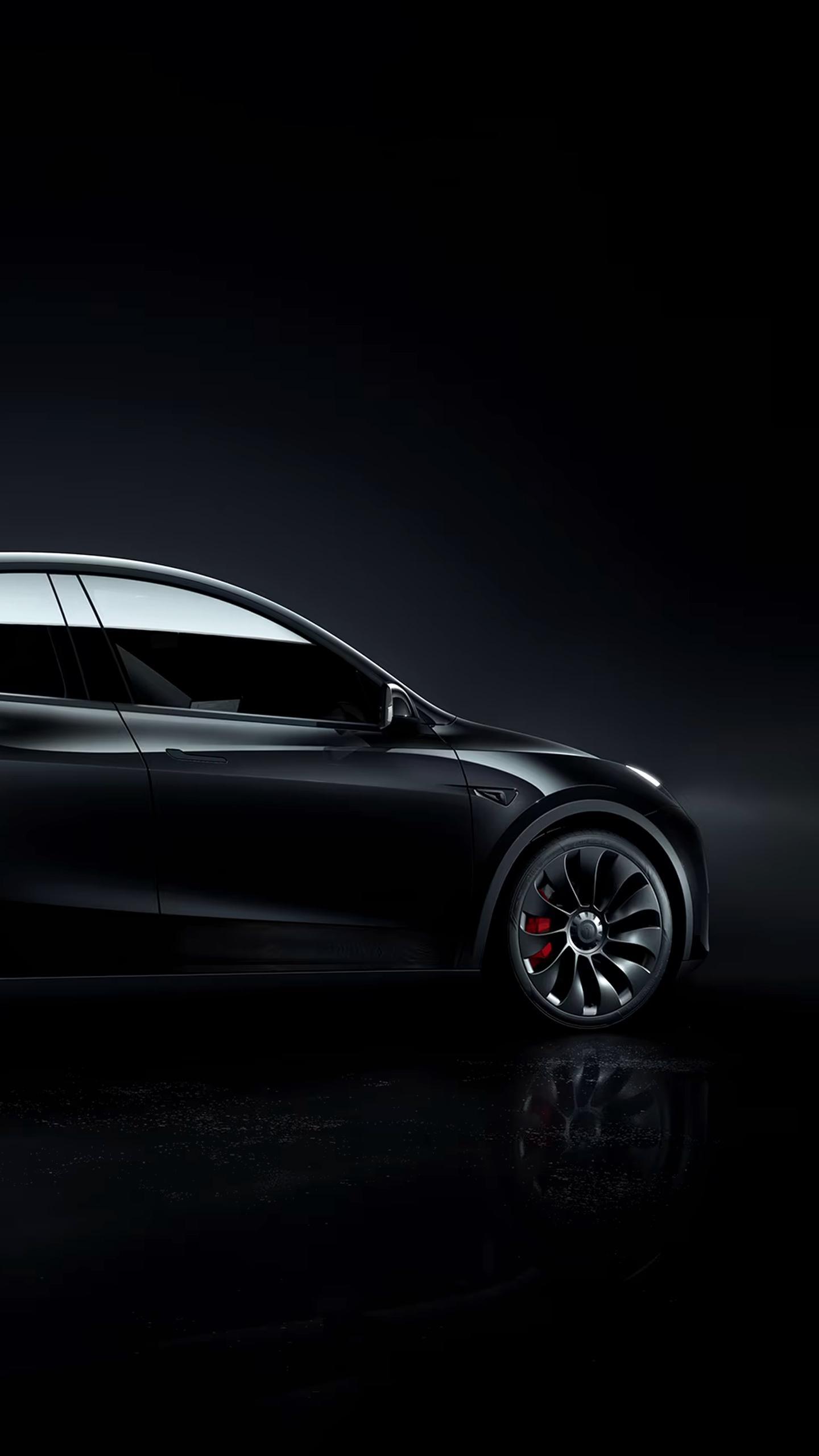
Tesla Opens Cybercab Orders to Select Customers, Features No Steering Wheel and Monthly Subscription

What's Happening?
Tesla has begun inviting select customers to purchase its Cybercab for personal use. This two-seater autonomous vehicle is notable for lacking a steering wheel and foot pedals, relying entirely on its self-driving
software. The estimated purchase price is $29,990 before taxes, with a non-refundable $1,000 deposit required to order. Crucially, the Cybercab mandates a $299 per month 'Autonomy Subscription' for the vehicle to operate. Deliveries are estimated for December 2026, and the initial rollout is limited to supported service areas. Tesla CEO Elon Musk has indicated that the monthly subscription fee is 'too high' and should be closer to $115 per month, aligning with the cost of Tesla's Full Self-Driving software and connectivity services for other models. The company is shifting production focus from the Cybertruck to the Cybercab, aiming to expand its autonomous vehicle offerings.
Why It's Important?
This move signifies Tesla's deepening commitment to fully autonomous vehicles and a shift in its business model towards recurring revenue streams. The Cybercab's design, completely devoid of traditional driver controls, represents a significant leap in autonomous vehicle technology and consumer trust. The required monthly subscription fundamentally alters the cost of ownership, moving it from a one-time purchase to a service-based model, which could influence how consumers perceive and adopt future vehicle purchases. For Tesla, this strategy could provide more predictable revenue and higher profit margins over the long term, aligning with investor preferences for subscription-based income. The limited release and geofencing highlight the ongoing regulatory and technological challenges in deploying fully autonomous vehicles, setting a precedent for how such products might be introduced to the broader market.
What's Next?
Tesla is expected to gradually expand the availability of the Cybercab as regulatory approvals are secured across the nation. The company will likely provide more detailed specifications regarding range, battery life, charging capabilities, and sensor hardware as the estimated December 2026 delivery window approaches. Potential buyers will be looking for clarity on the exact boundaries of 'supported service areas' and how the vehicle will function outside these zones. There may also be adjustments to the monthly Autonomy Subscription fee, as suggested by CEO Elon Musk, which could impact consumer adoption. The National Highway Traffic Safety Administration (NHTSA) is auditing the Cybercab's compliance with federal motor vehicle safety standards, and the outcome of this review will be critical for broader deployment. The success of this initial rollout will heavily influence Tesla's future autonomous vehicle strategies and production plans.
Beyond the Headlines
The introduction of a vehicle without manual controls raises profound questions about liability, safety, and the future of personal transportation. The complete reliance on software for driving decisions shifts the responsibility paradigm from the driver to the manufacturer, potentially leading to new legal frameworks and insurance models. Ethically, the absence of a steering wheel challenges conventional notions of human control and intervention in emergencies, pushing the boundaries of human-machine interaction. Culturally, the Cybercab could redefine personal mobility, particularly for urban dwellers, by offering a novel form of on-demand, driverless transport. This development also signals a long-term shift in the automotive industry from selling vehicles as products to providing transportation as a service, potentially disrupting traditional car ownership models and urban planning.