Suspects Arrested in Texas for California Home Invasion Robberies Targeting Cryptocurrency Holders

What's Happening?
Two Dallas residents, 20-year-old Damian Vielma and 19-year-old Jeremiah Clybourn, have been arrested in Texas in connection with a home invasion robbery in San Jose, California. The suspects allegedly
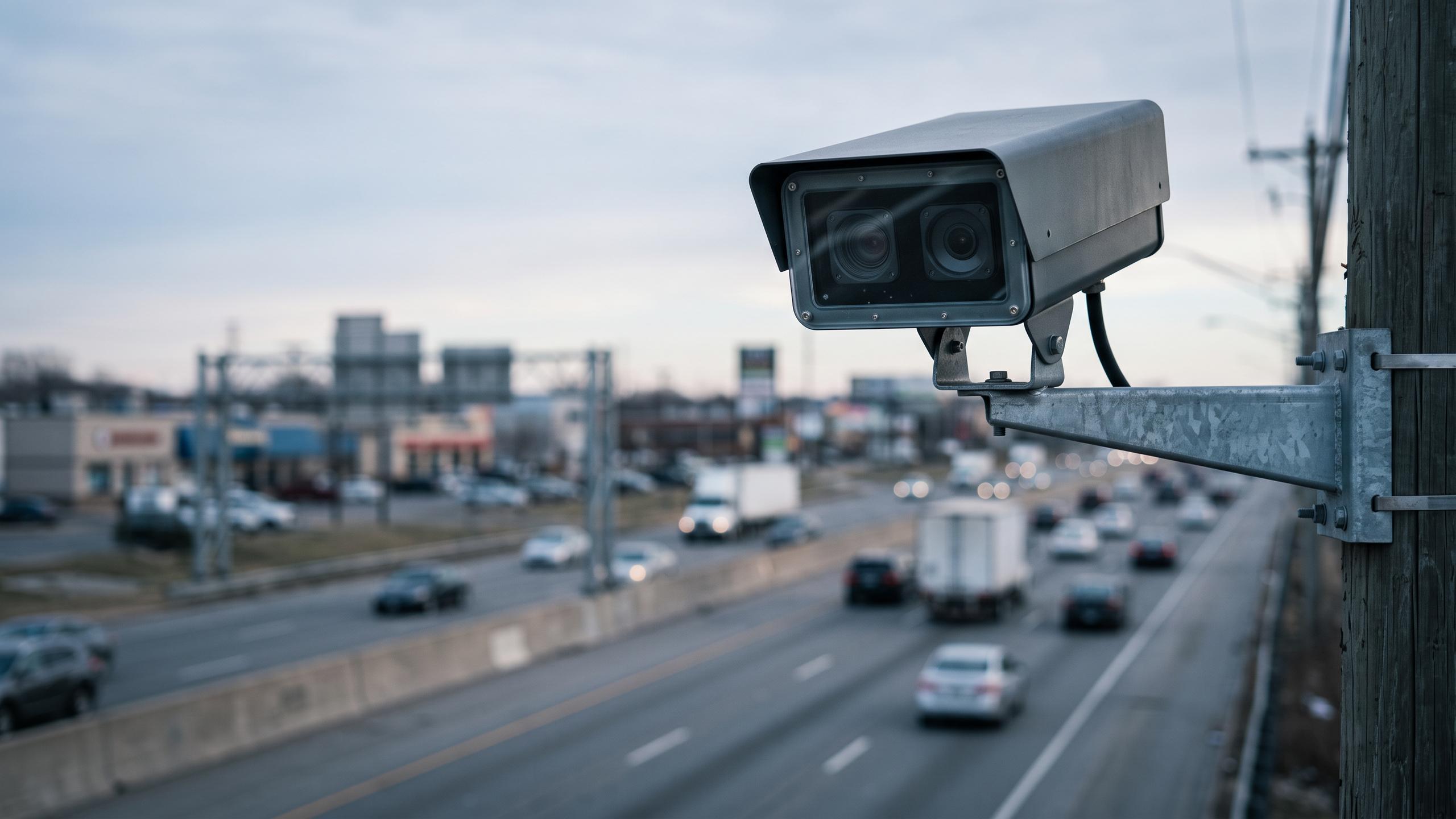
posed as delivery personnel to target victims known for their cryptocurrency wealth. The San Jose Police Department, assisted by the U.S. Marshals Service, Dallas Police Department, and Texas Department of Public Safety, located and detained the individuals in Dallas on September 24. A search warrant at their Dallas home uncovered evidence related to the crime, including multiple firearms. Authorities identified the suspects through automated license plate reader cameras after they fled the San Jose residence before police arrived. Detectives have linked Vielma and Clybourn to multiple crimes across various jurisdictions, including Atherton, California, all targeting individuals with significant cryptocurrency holdings. San Jose police spokesperson Stacie Shih stated that investigators are actively trying to determine how the suspects identified their victims' crypto wealth. The two are currently awaiting extradition back to Santa Clara County on charges of attempted robbery, possession of a stolen vehicle, and firearm-related offenses.
Why It's Important?
This incident highlights a growing and concerning global trend of violent crimes, including murder, kidnapping, and torture, specifically targeting individuals with substantial cryptocurrency holdings. The nature of cryptocurrency, where owners must initiate transfers, makes them vulnerable to home invasion-style robberies, as criminals cannot access funds remotely. Ahmed Banafa, a San Jose State University professor and tech expert, noted that individuals often publicize their large crypto wallets on social media for clout, inadvertently exposing themselves to such risks. He also mentioned the possibility of data breaches leaking wallet holders' identities from crypto exchanges. The untraceable nature of cryptocurrency transfers, once completed, further incentivizes these types of crimes, as victims have little recourse to recover their assets. This trend underscores the critical need for enhanced security measures and discretion among cryptocurrency holders to protect themselves from physical and financial harm.
What's Next?
Damian Vielma and Jeremiah Clybourn are awaiting extradition to Santa Clara County, California, where they will face charges of attempted robbery, possession of a stolen vehicle, and firearm-related crimes. Law enforcement agencies will continue their investigation to determine how the suspects identified their victims' cryptocurrency wealth and to uncover any additional crimes or victims. Police believe there may be other victims who have not yet come forward and are encouraging anyone with information to contact Detective Ledesma of the San Jose Police Department's robbery unit. This case may also prompt further discussions and actions regarding the security implications for cryptocurrency holders and the need for greater awareness about the risks associated with publicly displaying digital wealth. The ongoing investigation could reveal more about the methods used by criminals to identify and target crypto owners.
Beyond the Headlines
The rise of crimes specifically targeting cryptocurrency holders reveals a darker side of the digital asset boom, where virtual wealth translates into real-world physical danger. This phenomenon challenges the traditional notions of security, as digital assets, while seemingly intangible, create tangible risks for their owners. The decentralized and often anonymous nature of cryptocurrency, which is a core appeal for many, paradoxically makes it a prime target for criminals, as stolen funds are nearly impossible to recover. This situation also raises ethical questions about the responsibility of individuals in safeguarding their digital assets and the role of social media platforms in inadvertently facilitating such targeting. The incidents underscore a broader societal challenge in adapting legal and security frameworks to the rapidly evolving landscape of digital finance, where the lines between the digital and physical realms are increasingly blurred, with significant implications for personal safety and privacy.