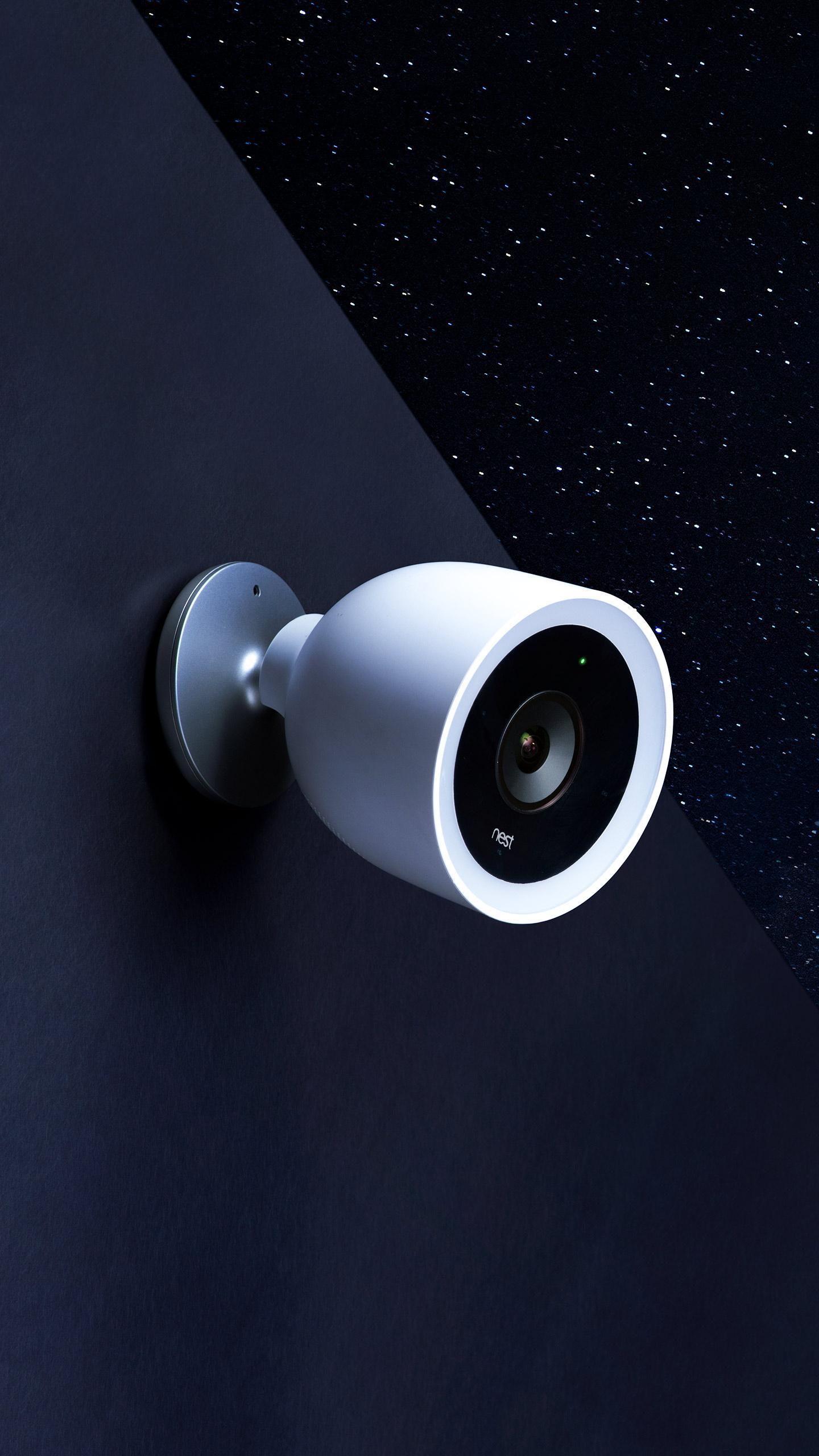
Google Nest Products Offer Smart Home Solutions for Temperature Control and Security

What's Happening?
Google Nest offers a range of smart home devices designed to enhance comfort, security, and energy efficiency. Key products include the Nest Learning Thermostat, which intelligently schedules and saves
energy, and the Nest Hub Max, featuring a 10-inch touchscreen and camera for advanced control. The Nest Mini (2nd gen) provides a more compact smart speaker option. For home security, the Nest Doorbell (wired, 2nd Gen) offers 2K video and alerts, compatible with various smart home ecosystems like Google Home and Alexa. The Nest x Yale Lock provides smart access control, while the Nest WiFi Pro acts as a high-rated router. Additionally, Google Nest produces smoke and carbon monoxide detectors, the Nest Protect (Battery) and Nest Protect (Wired), known for their reliability. The Nest Audio is a speaker with a 4.4 rating. The second-generation Nest Protect smoke alarms have a lifespan of 10 years from their manufacturing date, with users receiving notifications three months before expiration. Despite the discontinuation of the Nest Protect in 2025, many units remain in use, and new, sealed devices can still be found, though they may be more expensive.
Why It's Important?
The widespread adoption of Google Nest products signifies a growing trend in the U.S. towards integrated smart home technology for convenience, energy management, and safety. The Nest Learning Thermostat, for instance, directly impacts household energy consumption, potentially leading to significant savings on utility bills for consumers and contributing to broader energy conservation efforts. The integration of devices like the Nest Doorbell with platforms such as Google Home and Alexa highlights the increasing demand for interoperable smart home ecosystems, simplifying control and enhancing user experience. The discontinuation of products like the Nest Protect, despite its reliability, underscores the dynamic nature of the tech market and the challenges companies face in maintaining product lines. This can lead to consumer uncertainty regarding long-term support and compatibility, but also drives innovation in alternative smart home safety solutions. The availability of discounted Nest thermostats during events like Amazon's Prime Big Deal Days indicates a competitive market where accessibility to smart home technology is expanding, making these solutions more attainable for a wider range of U.S. households.
What's Next?
Consumers currently using discontinued Google Nest Protect devices should monitor their manufacturing dates and prepare for replacement, as the devices will begin chirping continuously after their 10-year lifespan. While new, sealed Nest Protect units are still available, their higher cost may prompt users to explore alternative smart smoke and CO alarms from other manufacturers, such as the X-Sense SC07-MR, which offers similar features and professional monitoring options. For those looking to upgrade or integrate new smart home devices, upcoming sales events like Amazon's Prime Day will likely continue to offer discounts on Google Nest thermostats and other smart home essentials, encouraging further adoption. Google will likely continue to innovate within its active Nest product lines, focusing on enhanced integration, AI capabilities, and user-friendly interfaces to maintain its competitive edge in the smart home market. The ongoing evolution of smart home ecosystems will also see continued efforts to ensure compatibility and seamless operation across different brands and platforms.
Beyond the Headlines
The evolution of Google Nest products reflects a broader societal shift towards automated and interconnected living spaces, raising important considerations about data privacy and cybersecurity. As more personal data, such as daily routines and home access patterns, are collected by smart devices, the ethical implications of data storage, usage, and potential vulnerabilities become increasingly critical. The reliance on smart thermostats for energy management also highlights the potential for these devices to play a role in national energy grids, offering opportunities for demand-side management and grid stability, but also posing risks if systems are compromised. Furthermore, the 'smart home' concept is transforming traditional notions of domesticity, moving from passive living spaces to active, responsive environments. This shift can empower users with greater control and efficiency, but also introduces a new layer of technological dependence and the need for digital literacy to navigate complex smart home ecosystems effectively. The market's response to discontinued products like the Nest Protect also illustrates the consumer's growing expectation for long-term support and sustainability in their technology investments.