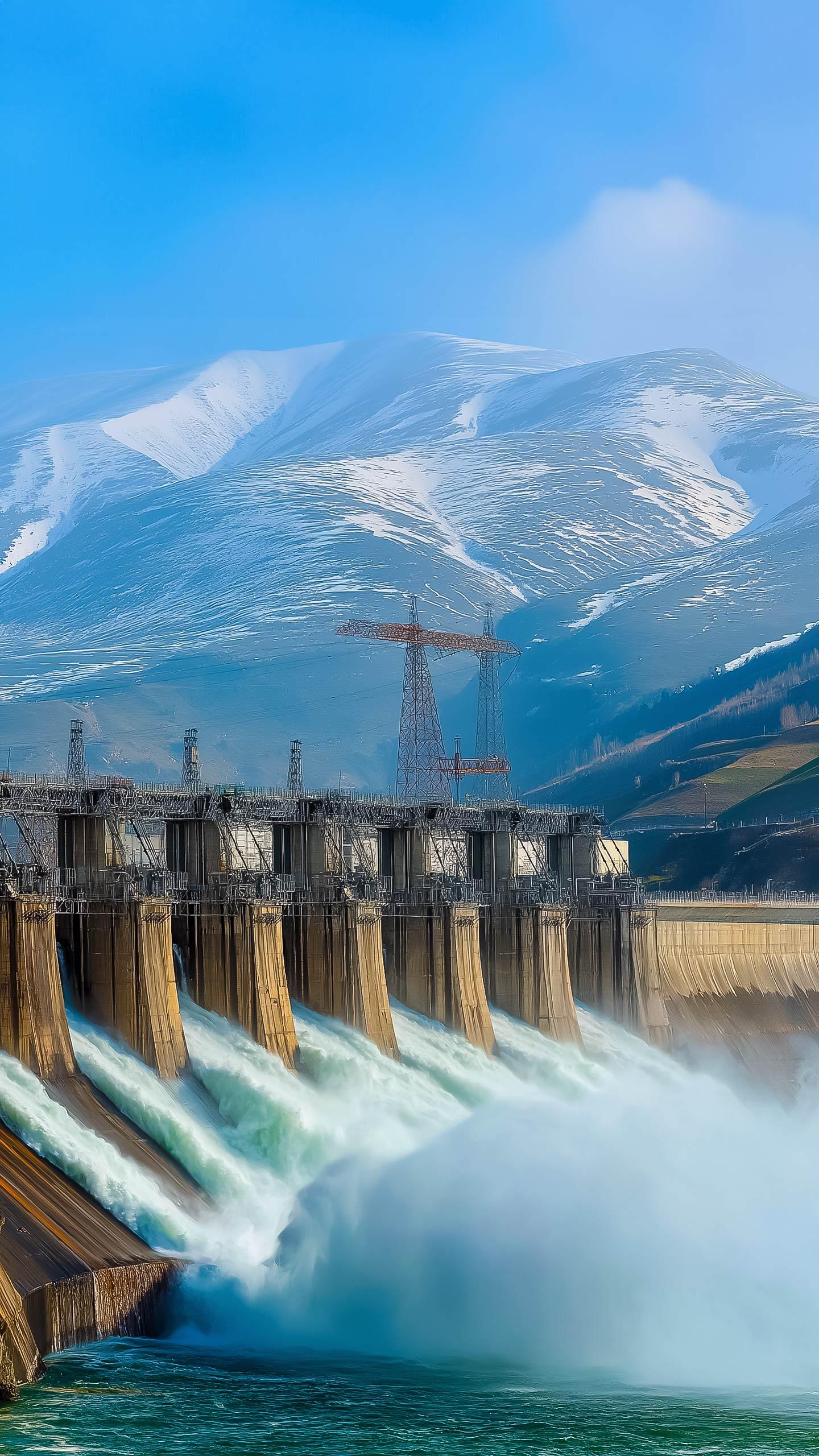
Cyberattacks Target U.S. Water Systems, Raising National Security Concerns

What's Happening?
Recent reports indicate that water systems in at least seven states have been targeted by cyberattacks, with the FBI identifying the perpetrators as 'malicious cyber actors.' These hackers have remotely
accessed internet-facing computers used by water utilities, altering settings, IP addresses, and passwords. This has, in some cases, weakened the ability of plant operators to monitor and control their equipment. The American Water Works Association has highlighted the need for nationwide minimum cybersecurity requirements for water utilities, as the current systems vary widely in their cybersecurity measures. The FBI and other federal agencies have previously warned about Iran-affiliated cyber threats targeting water systems.
Why It's Important?
The cyberattacks on water systems underscore significant vulnerabilities in critical infrastructure, which could have far-reaching impacts on public safety and national security. Disruptions in water service can affect businesses, hospitals, and emergency services, potentially leading to severe consequences. The attacks highlight the urgent need for improved cybersecurity measures across the approximately 148,000 public drinking water systems in the U.S. The American Water Works Association and cybersecurity experts advocate for establishing universal cybersecurity standards to protect these essential services from future threats.
What's Next?
In response to the attacks, the FBI and the EPA have advised water utilities to disconnect certain internet-connected devices and strictly control network access. This includes Programmable Logic Controllers (PLCs), which are critical for maintaining water pressure and alerting operators to system issues. Strengthening cybersecurity at water utilities is seen as a matter of national security, with experts urging proactive measures to enhance resilience before more severe attacks occur. The development of nationwide cybersecurity standards for water utilities is likely to be a focus for policymakers and industry leaders moving forward.
Beyond the Headlines
The cyberattacks on water systems reveal deeper issues related to the integration of technology in critical infrastructure. As utilities increasingly rely on internet-connected devices, they become more vulnerable to cyber threats. This situation raises ethical and legal questions about the responsibility of utility providers to protect public resources and the role of government in regulating cybersecurity standards. The attacks also highlight the need for ongoing collaboration between cybersecurity experts, government agencies, and utility providers to safeguard essential services.