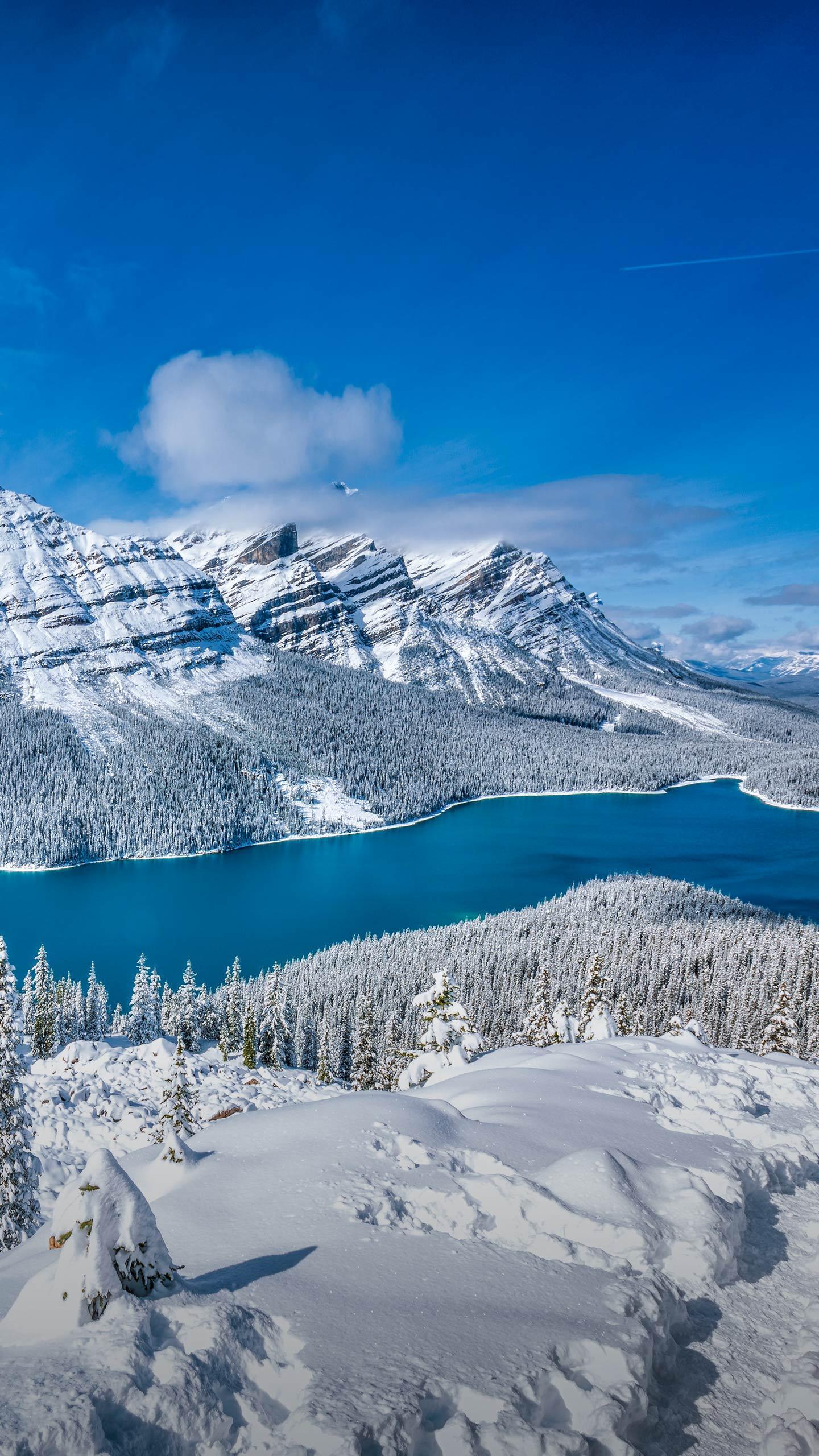
State Parks Offer Larger Wilderness Experiences Than Some National Parks

What's Happening?
Several state parks in the United States, such as Wood-Tikchik State Park in Alaska and Anza-Borrego Desert State Park in California, offer expansive wilderness experiences that rival or exceed the size
of some national parks. These parks provide opportunities for hiking, paddling, wildlife viewing, and backcountry camping without the crowds often found in national parks. Wood-Tikchik, for example, covers nearly 1.6 million acres and is known for its glacier-carved lakes and diverse wildlife. Anza-Borrego showcases desert landscapes and is a premier stargazing destination.
Why It's Important?
The size and diversity of these state parks highlight the significant role state-managed lands play in conservation and recreation. They offer an alternative to national parks, providing visitors with solitude and unique natural experiences. These parks contribute to local economies by attracting tourists and supporting outdoor recreation industries. They also emphasize the importance of state-level conservation efforts in preserving large tracts of wilderness and biodiversity.
What's Next?
As interest in outdoor recreation grows, state parks may see increased visitation, prompting the need for enhanced infrastructure and conservation measures. State agencies might focus on balancing visitor access with environmental protection to maintain the parks' natural integrity. There could be initiatives to promote these parks as viable alternatives to national parks, potentially alleviating pressure on more popular federal destinations. Collaboration between state and federal agencies may also be explored to enhance conservation efforts across different jurisdictions.
Beyond the Headlines
The prominence of state parks in providing large wilderness areas underscores the diversity of the U.S. park system. It highlights the potential for state parks to play a more significant role in national conservation strategies. The success of these parks in attracting visitors without the congestion of national parks may influence future park management practices, emphasizing sustainable tourism and visitor education. This trend could lead to a reevaluation of how public lands are marketed and managed to ensure long-term ecological health.