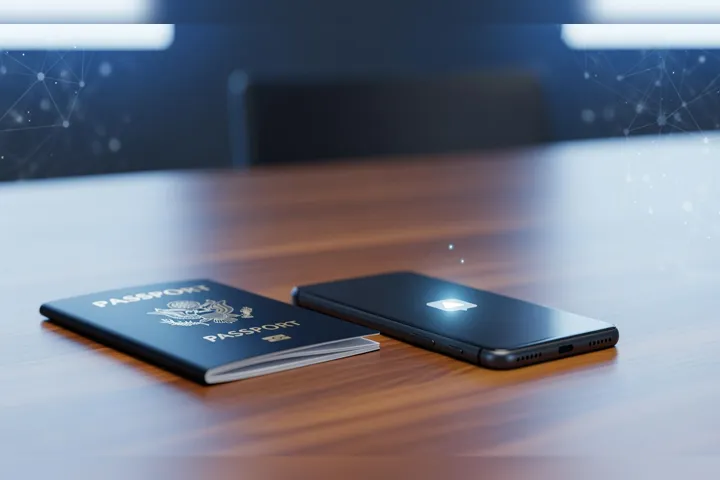
Trump Administration Proposes Mandatory Social Media Disclosure for Australian Travelers

What's Happening?
The Trump administration has proposed a new rule requiring Australian travelers, along with citizens from 40 other visa-exempt nations, to disclose up to five years of social media history before entering the United States. This proposal aims to align the Electronic System for Travel Authorization (ESTA) with tourist visa applications, which have mandated social media disclosure since 2019. The rule would also require additional personal data, such as phone numbers from the past five years, email addresses from the past decade, family member details, and biometric information. The proposal is currently open for a 60-day public comment period, set to close in early January. This move is part of a broader tightening of U.S. immigration and entry controls under the Trump administration, which has expanded social media vetting across multiple visa categories over the past year.
Why It's Important?
The proposed changes could significantly impact privacy and freedom of expression for travelers, as highlighted by legal and policy experts. The requirement to disclose extensive personal information, including social media history, raises concerns about online privacy. Additionally, travel industry observers are worried about the potential negative impact on travel, especially with the upcoming 2026 FIFA World Cup, which the U.S. will co-host with Mexico and Canada. The new requirements could deter travelers from visiting the U.S., affecting tourism and related industries. Furthermore, the policy reflects a broader trend of increased scrutiny and control over immigration and entry processes under the Trump administration, which could have long-term implications for international relations and travel policies.
What's Next?
The proposal is currently under public review, with a 60-day comment period allowing stakeholders to express their concerns or support. Depending on the feedback received, the administration may adjust the proposal before finalizing it. If implemented, the new requirements could lead to changes in how travelers prepare for entry into the U.S., potentially affecting travel plans and international relations. Stakeholders, including travel industry representatives and privacy advocates, are likely to continue voicing their opinions, which could influence the final decision. The outcome of this proposal will be closely watched by other countries and could set a precedent for similar measures elsewhere.
AI Generated Content
For the benefit of users - Parts of this article may include content generated using AI tools. Our teams are making active and commercially reasonable efforts to moderate all AI generated content. Our moderation processes are improving however our processes are carried out on a best-effort basis and may not be exhaustive in nature. We encourage our users to consume the content judiciously and rely on their own research for accuracy of facts. We maintain that all AI generated content on our platform is for entertainment purposes only. To know more about how we use AI, you can write to us at
Close AI Generated Content