U.S. Destinations Offer Enhanced Experience Post-Summer Crowds

What's Happening?
Several U.S. destinations, including Acadia National Park, Mackinac Island, Williamsburg, Shenandoah National Park, Harpers Ferry, Asheville, Santa Fe, Sedona, Napa Valley, Charleston, and Great Smoky
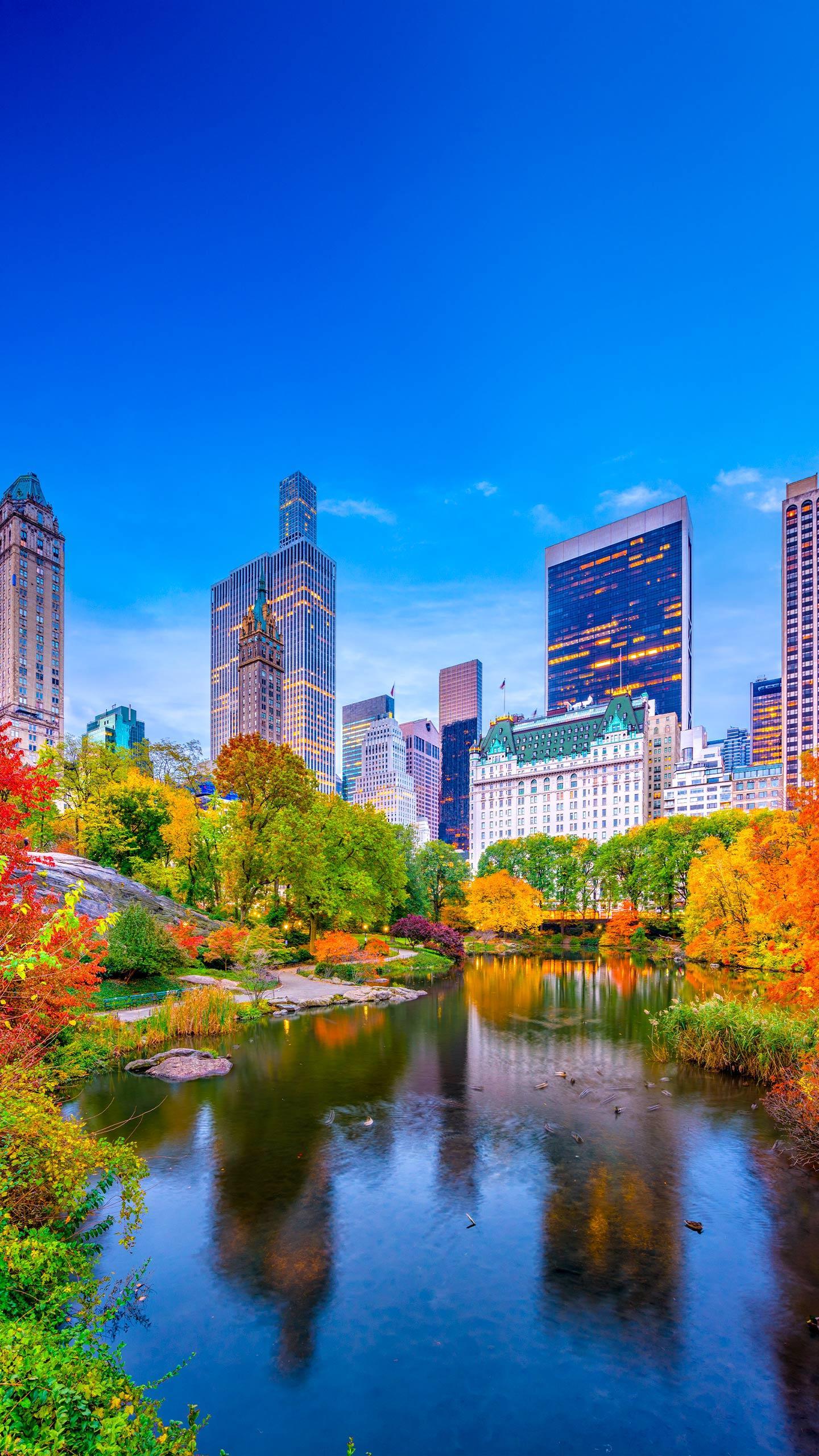
Mountains National Park, are highlighted as being more enjoyable after the peak summer travel season. The period from September to early November offers cooler temperatures, reduced crowds, and often more vibrant scenery, particularly fall foliage. For instance, Acadia National Park's rocky coastline and carriage roads become more comfortable for exploration, and Bar Harbor experiences a quieter pace. Mackinac Island, recently voted the nation's best fall destination by USA Today 10Best readers, offers pleasant horse-drawn carriage rides and bike excursions in cooler air. Similarly, Santa Fe's high-desert climate in early fall provides warm afternoons and cool evenings, ideal for outdoor activities and appreciating the city's architecture without the summer rush. Napa Valley's harvest season brings a unique energy to vineyards and tasting rooms, alongside picturesque autumn colors.
Why It's Important?
This trend of post-summer travel offers significant benefits for both travelers and local economies. For travelers, it means a more relaxed and often more authentic experience of popular destinations, free from the intense crowds and high temperatures of summer. This can lead to greater satisfaction and a deeper appreciation of the natural beauty and cultural offerings. For local businesses in these destinations, extending the tourist season beyond summer can help stabilize revenue streams and employment, reducing the reliance on a single peak period. It also allows for a more sustainable tourism model by spreading visitor impact over a longer duration. The emphasis on cooler weather and less crowded attractions can attract a different demographic of travelers, such as those seeking tranquility or specific seasonal activities like fall foliage viewing, thereby diversifying the tourism market.
What's Next?
As awareness of the benefits of off-peak travel grows, more travelers may opt to visit these U.S. destinations in the fall. This could lead to a gradual shift in tourism patterns, with September, October, and early November becoming increasingly popular travel months. Destinations and tourism boards may further promote these shoulder seasons, highlighting unique autumnal experiences and events to attract visitors. Businesses in these areas might adjust their operating hours or offerings to cater to this extended season, potentially leading to more year-round employment opportunities. Travelers planning trips to these locations should consider booking accommodations and popular activities in advance, especially for destinations like Sedona and Napa Valley, where October can still be a busy month due to specific seasonal attractions like harvest festivals or ideal hiking conditions.
Beyond the Headlines
The increasing popularity of post-summer travel reflects a broader shift in consumer preferences towards more experiential and less hurried vacations. This trend also underscores the importance of seasonal variations in enhancing travel experiences, moving beyond the conventional 'peak season' mentality. Environmentally, spreading tourism throughout the year can help mitigate the ecological impact of concentrated crowds during summer months, contributing to more sustainable tourism practices. Culturally, visiting during quieter periods can allow for a more intimate engagement with local communities and traditions, fostering a deeper understanding of the destination. This shift also highlights the economic resilience of destinations that can adapt and market their unique seasonal attractions, ensuring continued visitor engagement and economic vitality outside of traditional high seasons.