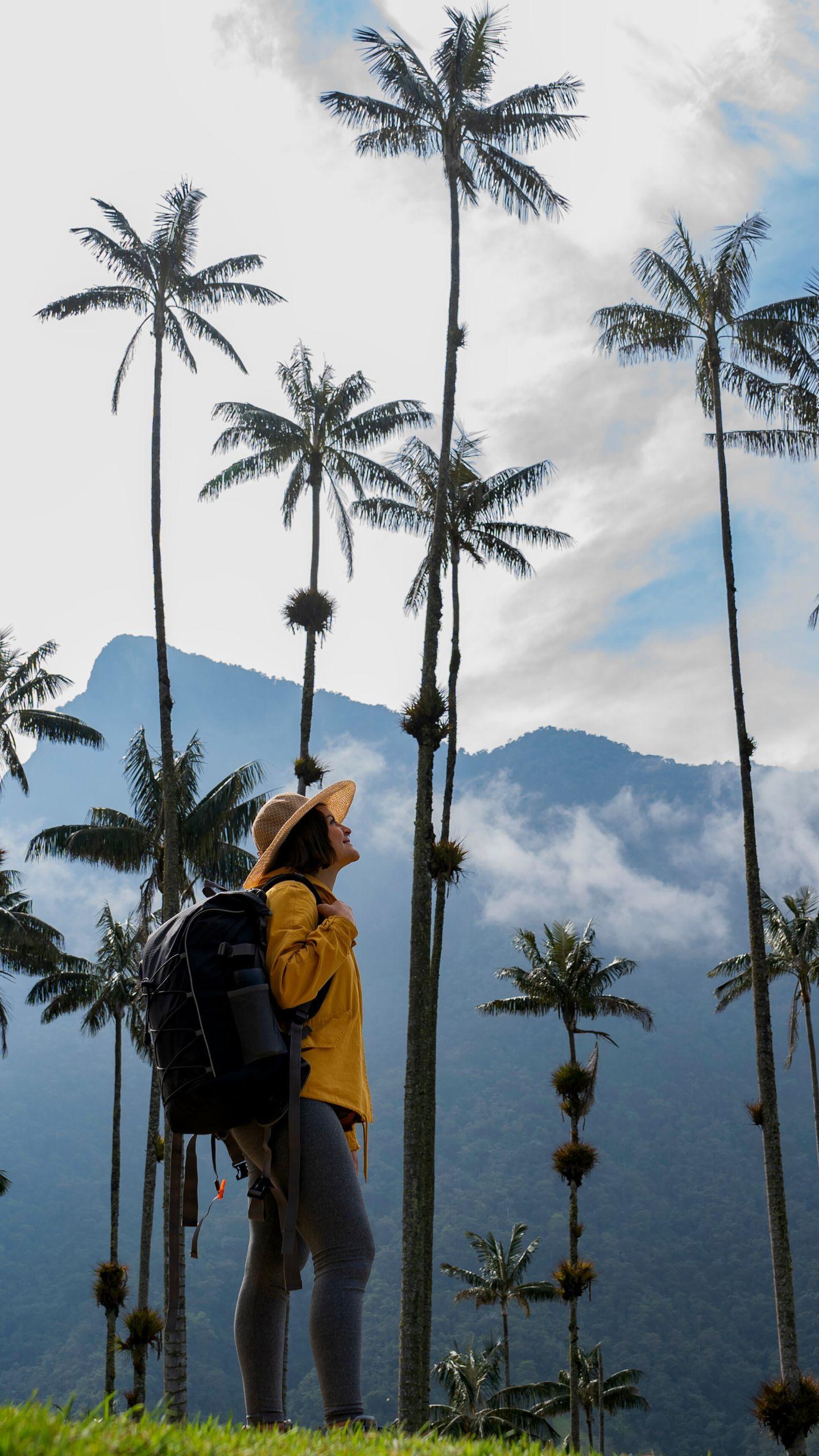
Solo Female Travel in Colombia: Safety and Experience Guide for Travelers

What's Happening?
A detailed guide has been published addressing the safety and experience of solo female travelers in Colombia. The guide, based on a five-week solo journey, offers insights into navigating the country,
highlighting both its appeal and the necessary precautions. While acknowledging that Colombia has become safer and tourism is booming, the author emphasizes that travelers should remain aware of their surroundings and avoid certain areas. Key recommendations include using ride-sharing services like Uber over taxis, asking accommodations to arrange transport, and adhering to the local advice of 'no dar papaya'—meaning not to make oneself an easy target by flaunting valuables. The guide also suggests leaving important documents and excess cash secured at accommodations and carrying a hidden money belt for essentials. The author's personal experience indicates no negative incidents during her trip, though she occasionally felt uncomfortable. The article provides practical tips for transportation, accommodation, and meeting other travelers, along with recommendations for cities like Medellín, Salento, and Cartagena.
Why It's Important?
This guide is important for U.S. travelers considering solo trips to Colombia, offering a realistic perspective on safety and practical advice. For the U.S. tourism industry, such detailed accounts can influence travel trends and the demand for guided tours or specialized travel insurance. Travelers gain valuable insights into risk mitigation, which can enhance their safety and enjoyment abroad. The emphasis on local customs like 'no dar papaya' and the use of specific apps like Uber and Hostelworld provides actionable intelligence. This information can help U.S. citizens make informed decisions about their travel plans, potentially increasing confidence in visiting Colombia while also promoting responsible tourism practices. The guide's focus on personal safety and cultural awareness underscores the importance of preparation for international travel, impacting how U.S. travel agencies and tour operators might advise their clients.
What's Next?
Travelers planning a solo trip to Colombia are advised to research current safety conditions and local regulations, particularly regarding ride-sharing services like Uber, as rules can change. It is recommended to build an itinerary that aligns with individual comfort levels and to consult local advice on areas to avoid, especially after dark. Future solo female travelers should prioritize staying in social hostels with good reviews to facilitate meeting other travelers and consider joining group tours or Spanish classes for social interaction. The guide suggests bringing two bank cards and keeping them separate, and traveling by bus during daylight hours for increased safety. Continuous vigilance and adherence to safety precautions are highlighted as ongoing necessities throughout the trip. Travelers should also be prepared for varying costs, as the author noted spending more than typical backpacker budgets.
Beyond the Headlines
The guide subtly touches upon broader themes of personal empowerment and cultural immersion in solo travel. By encouraging travelers to be self-reliant and culturally sensitive, it promotes a deeper engagement with the destination beyond typical tourist experiences. The advice to learn some Spanish and interact with locals fosters cross-cultural understanding, which can have long-term benefits for international relations and individual perspectives. The emphasis on personal safety and awareness also highlights the evolving landscape of global travel, where individual responsibility plays a crucial role. This narrative contributes to a growing body of literature that demystifies solo female travel, encouraging more women to explore the world independently while advocating for informed and cautious approaches to new environments.