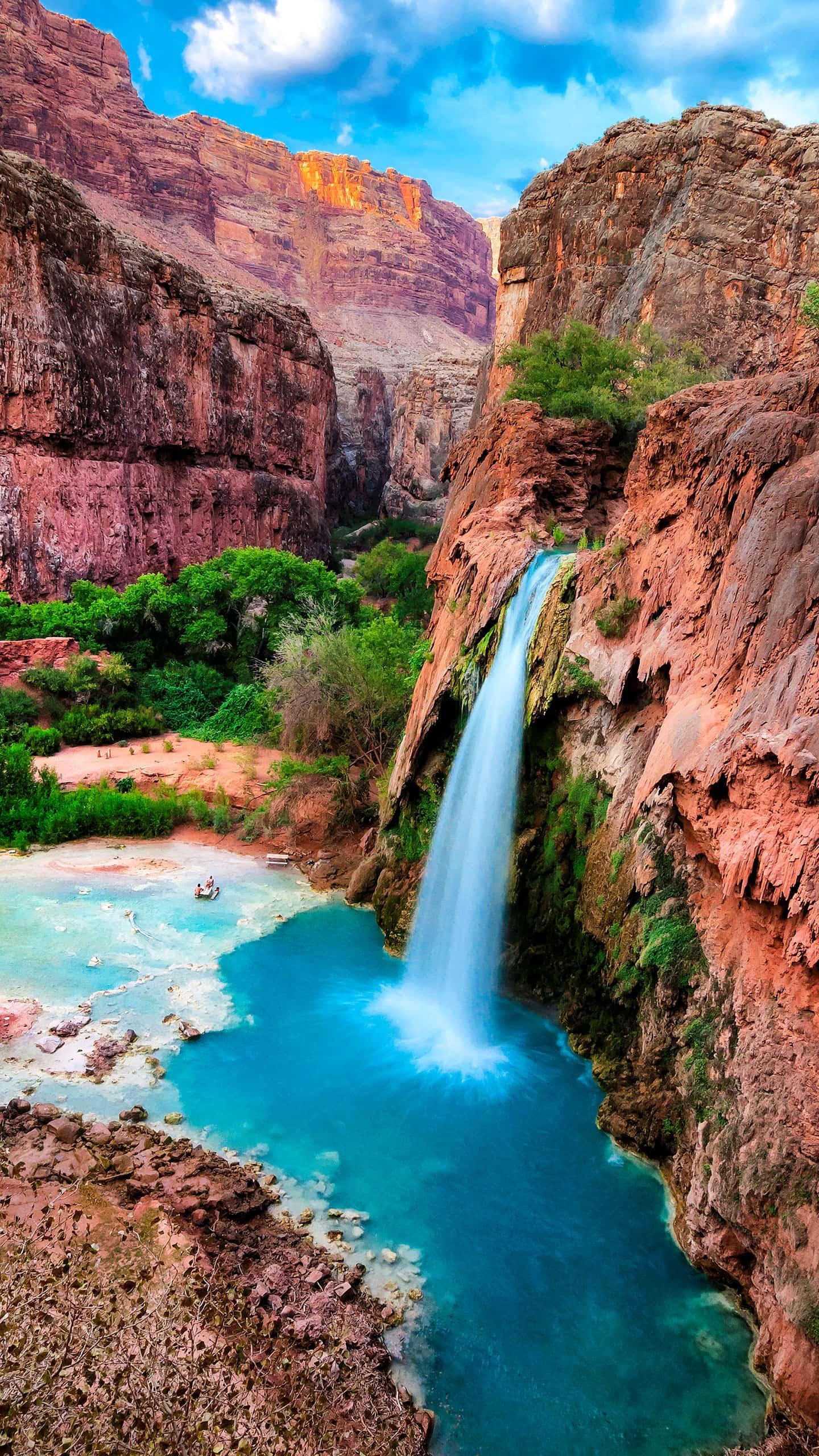
Grand Canyon Closes Overnight Lodging After Floods Damage Critical Waterline

What's Happening?
Hotel services at Grand Canyon National Park are scheduled to close on Monday following significant flooding that occurred on Saturday, leading to the evacuation of dozens of individuals. The closures
are a direct consequence of Stage 4 water restrictions being implemented on the South Rim, effective Monday at noon. Park officials reported that the floods severely damaged the water infrastructure within the inner canyon, rendering the main waterline non-operational. This damage has resulted in dwindling water reserves, necessitating stringent conservation measures to maintain the available supply. While the national park will remain open to visitors during the day, and South Rim food and beverage services will continue with potentially shortened hours, overnight accommodations at several key locations, including El Tovar, Bright Angel Lodge, Maswik Lodge, Phantom Ranch, Yavapai Lodge, and Trailer Village, will cease. Dry camping will still be permitted, though South Rim spigots will be shut off, with campers directed to the Mather Campground check-in kiosk for water access. Additionally, fires involving wood or charcoal are now prohibited.
Why It's Important?
The closure of hotel accommodations at Grand Canyon National Park due to flood-damaged water infrastructure carries significant implications for both the park's operations and the regional tourism economy. The Grand Canyon is a major U.S. tourist destination, attracting millions of visitors annually. These closures will directly impact thousands of planned visits, leading to cancellations and a substantial loss of revenue for the park and surrounding businesses that rely on tourism. The implementation of Stage 4 water restrictions highlights the vulnerability of critical infrastructure to natural disasters and the cascading effects on public services. For visitors, the experience will be significantly altered, with limited overnight options and restrictions on activities like campfires. This situation underscores the broader challenge of maintaining essential services in remote and environmentally sensitive areas, especially in the face of increasing climate-related events. The economic impact will be felt by hospitality workers, local vendors, and transportation services, potentially leading to temporary job losses or reduced hours.
What's Next?
Grand Canyon National Park officials will focus on repairing the damaged water infrastructure within the inner canyon to restore the main waterline. This will involve assessing the extent of the damage and mobilizing resources for reconstruction, which could be a complex and time-consuming process given the challenging terrain. In the interim, the park will continue to enforce Stage 4 water restrictions and manage visitor access to ensure public safety and conserve remaining water supplies. Communication with affected visitors regarding cancellations and alternative arrangements will be crucial. The park will also need to monitor weather conditions closely to prevent further damage from potential future flooding. The timeline for reopening overnight accommodations will depend on the progress of repairs and the restoration of a reliable water supply. Long-term planning may involve evaluating and upgrading infrastructure resilience to better withstand future environmental challenges.
Beyond the Headlines
This incident at Grand Canyon National Park highlights a broader national concern regarding the resilience of critical infrastructure in the face of escalating climate-related events. As extreme weather phenomena become more frequent and intense, national parks and other public lands, which are often in remote and ecologically sensitive areas, face increasing threats to their operational continuity and visitor safety. The damage to the water system at the Grand Canyon underscores the need for proactive investment in robust, climate-resilient infrastructure. This situation also brings to light the delicate balance between preserving natural wonders and accommodating large numbers of tourists, especially when resources like water become scarce. It prompts a reevaluation of sustainable tourism practices and emergency preparedness in national parks, potentially leading to policy changes regarding infrastructure development, resource management, and visitor capacity limits to ensure the long-term viability and protection of these invaluable natural assets.