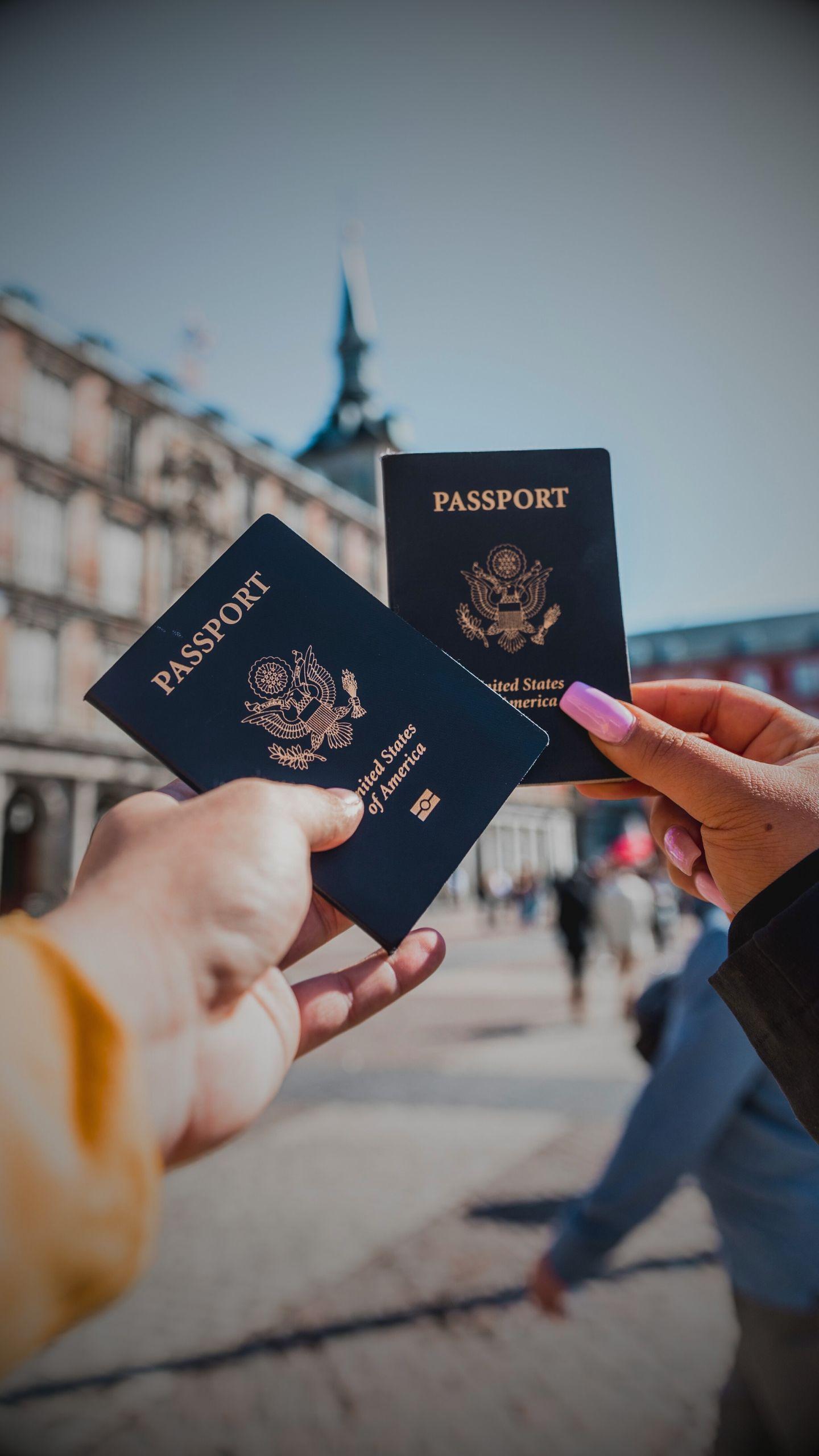
American Traveler Reports Ostracization Abroad Due to U.S. Nationality, Sparks Social Media Debate

What's Happening?
An American traveler, Luke Hillman, has gained significant attention on social media after claiming he experiences 'disdain and disgust' from foreigners when he reveals his U.S. nationality during his travels.
Hillman, a 25-year-old from South Florida, shared his experiences in a viral TikTok video, stating that he has encountered this sentiment in Japan and Europe. He noted that when he tells other foreigners, particularly Australians, Canadians, and Europeans, that he is American, they often give him 'a second glance.' Hillman clarified to The Post that he did not typically receive 'harsh feedback' from Japanese people directly, whom he described as kind, but rather from other foreigners. He also mentioned that Japanese individuals sometimes cautiously inquire about his support for President Trump, which he perceives as having a negative connotation. Hillman stated he feels compelled to explain that he does not align with President Trump's views, agreeing with skeptics who express concerns about school shootings and 'that orange clown.'
Why It's Important?
This viral account highlights a potentially growing sentiment among some international communities regarding American identity and politics, impacting how U.S. citizens are perceived abroad. The phenomenon described by Hillman, and the subsequent social media debate, suggests a broader discussion about America's global image and the personal experiences of its citizens traveling internationally. The report of some Americans 'flag-jacking'—claiming to be Canadian to avoid scrutiny—underscores the perceived pressure and discomfort some U.S. travelers may feel. This situation could influence travel behaviors, cultural exchanges, and even diplomatic perceptions, as individual interactions contribute to a nation's overall reputation. The focus on political leadership, particularly President Trump, as a source of this 'disdain' indicates how U.S. domestic politics can have tangible, personal repercussions for its citizens on the global stage.
What's Next?
The debate sparked by Hillman's video is likely to continue across social media platforms, with travelers sharing their own experiences, both corroborating and refuting his claims. This ongoing discussion could lead to increased awareness among American travelers about potential international perceptions and may prompt some to reconsider how they present their nationality abroad. For the travel industry, such sentiments could subtly influence destination choices or the marketing strategies aimed at American tourists. While Hillman's video was described as 'rage-baity,' its widespread sharing indicates a resonance with a segment of the population, suggesting that the conversation around American identity and its global reception will persist, potentially evolving into broader cultural commentary or even academic study on national branding and soft power.
Beyond the Headlines
The phenomenon described by Luke Hillman touches upon deeper implications concerning national identity, global politics, and the individual's role in representing their country. It raises questions about the extent to which a nation's political leadership and domestic issues shape its citizens' experiences abroad. The reported 'flag-jacking' by some Americans suggests a form of identity management, where individuals attempt to distance themselves from perceived negative national stereotypes. This situation also highlights the power of social media to amplify personal narratives and catalyze widespread public discussion on sensitive topics. It underscores the complex interplay between national image, political climate, and personal interactions, revealing how global perceptions can directly affect the lived experiences of ordinary citizens, prompting introspection about national pride versus international acceptance.