FAA Lifts Nationwide Ground Stop After Air Traffic Network Failure, President Trump Briefed

What's Happening?
The Federal Aviation Administration (FAA) lifted a nationwide ground stop after a communications failure in air traffic control centers caused widespread disruption at U.S. airports. Transportation Secretary
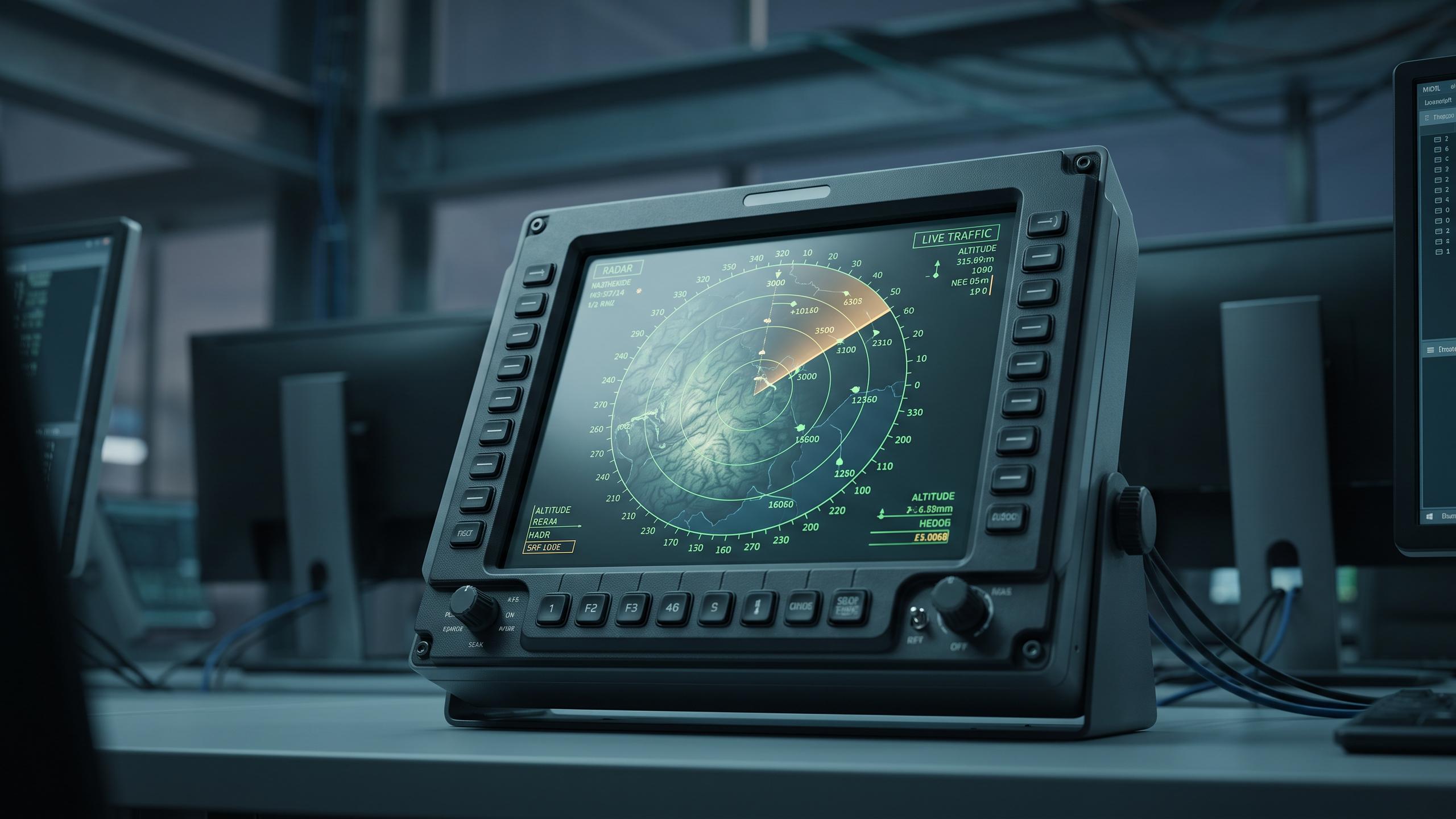
Sean Duffy announced that U.S. airspace reopened at 8:15 pm Eastern Time, though departures would resume gradually. The incident, which led to over 6,600 flight cancellations and 8,600 delays, was the longest shutdown since September 11, 2001. Secretary Duffy and Homeland Security Secretary Markwayne Mullin met with President Trump in the Oval Office to discuss the outage. The failure was attributed to an overload of data in radar and communications systems, causing inconsistencies and necessitating a system shutdown. Secretary Mullin stated there was no evidence of a cyberattack or rogue AI system, suggesting a mechanical cause.
Why It's Important?
This incident highlights critical vulnerabilities in the U.S. air traffic control system, which relies on aging technology and faces a shortage of controllers. The widespread flight disruptions have significant economic consequences for airlines, travelers, and related industries, with aviation analysts predicting days of schedule disruptions. The financial impact on airlines, including American Airlines, United Airlines, Delta Air Lines, and JetBlue Airways, was immediately evident in stock market declines. The event underscores the urgent need for modernization of the nation's air traffic control infrastructure, with Secretary Duffy calling for $50 billion in funding from Congress to prevent similar future failures. The incident also raises concerns about national security, prompting involvement from the National Security Agency and the Department of Homeland Security in the investigation.
What's Next?
While the immediate problem has been fixed and flights are resuming, the long-term solution requires a significant overhaul of the U.S. air traffic control system. Transportation Secretary Duffy has urged Congress to approve substantial funding, specifically $50 billion, for modernization efforts. The investigation into the precise cause of the telecommunications network failure, overseen by L3Harris Technologies, is ongoing, with the National Security Agency and Department of Homeland Security involved. Airlines will continue to work on restoring normal operations, but passengers can expect lingering delays and cancellations for several days. The incident is likely to intensify political debate regarding infrastructure spending and the prioritization of technological upgrades for critical national systems.
Beyond the Headlines
The air traffic control system failure exposes a deeper issue of underinvestment in critical national infrastructure and the potential for cascading failures in interconnected systems. Beyond the immediate economic and travel disruptions, such incidents can erode public trust in government services and national security capabilities. The reliance on aging technology in a sector as vital as aviation poses a continuous risk, not only to efficiency but also to safety. This event could serve as a catalyst for broader discussions on technological resilience, cybersecurity measures for critical infrastructure, and the need for proactive rather than reactive approaches to maintaining essential public services in the U.S.