National Weather Service Confirms Tornadoes and Widespread Damage in Delaware Valley

What's Happening?
Severe weather, including confirmed tornadoes, heavy hail, and damaging winds, impacted the Delaware Valley region on Thursday. The National Weather Service (NWS) confirmed two tornadoes touched down,
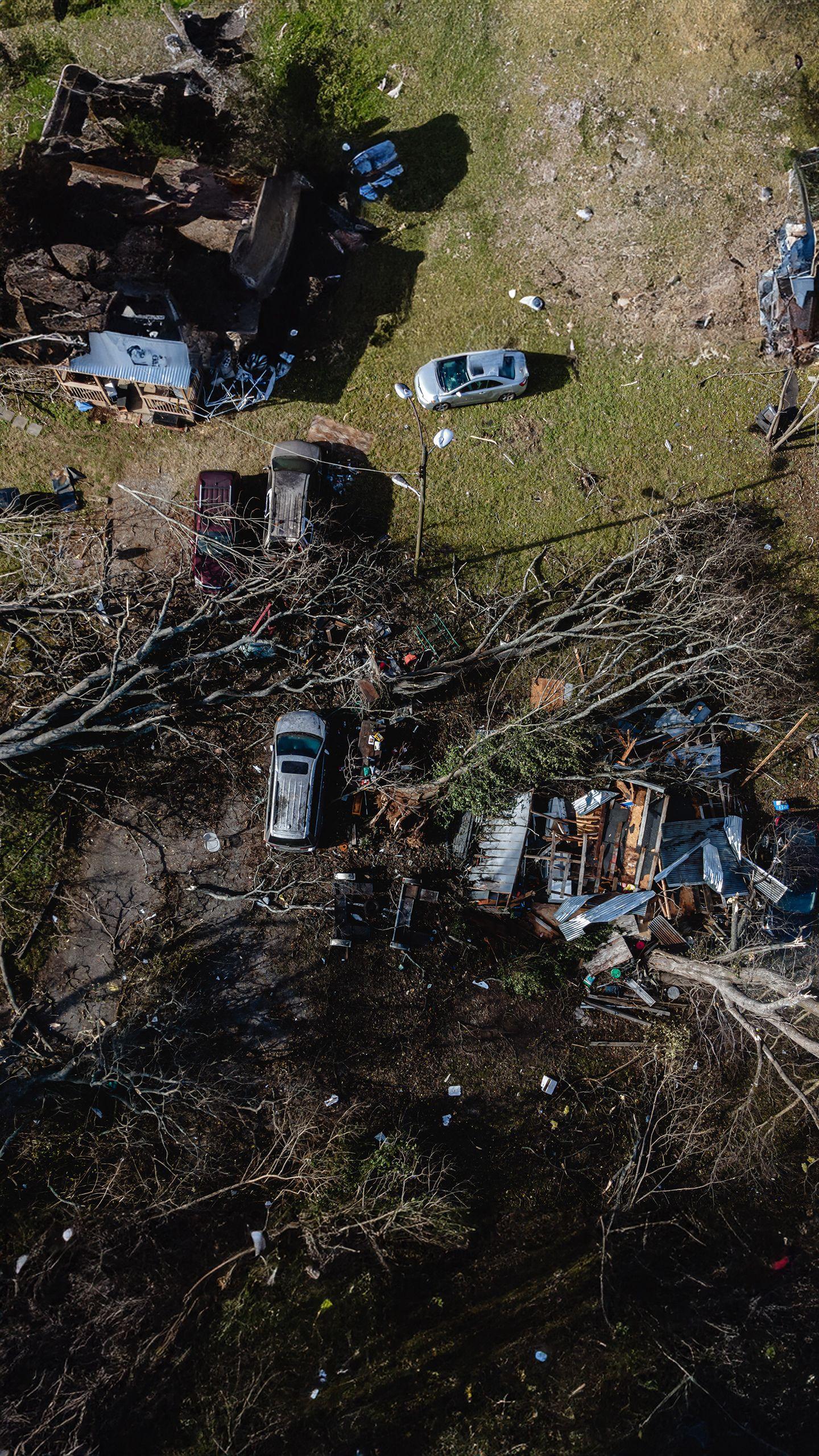
one in New Castle County, Delaware, and another in Burlington County, New Jersey. This led to significant disruptions, including road closures, power outages affecting approximately 1,360 PSE&G customers in Burlington County, and structural damage. Reports from FOX Weather indicated nearly 50 storm incidents from Delaware to New York, with a rare tornado even caught on camera in New Jersey. A private school in Chesterfield, New Jersey, sustained damage, and ChristianaCare’s Newark campus experienced minor property damage, though patient care was not disrupted. One notable incident involved a massive hotel sign crushing two cars in Newark, Delaware, narrowly missing a resident. Cleanup efforts are underway across New Castle County to remove downed trees and assess the full extent of the damage.
Why It's Important?
This severe weather event highlights the increasing vulnerability of the Northeast to extreme meteorological phenomena, particularly tornadoes, which are less common in the region compared to other parts of the U.S. The NWS data indicates an uptick in November tornado warnings in the region, with 3 warnings already this year compared to an average of 1 in previous decades. The widespread damage to infrastructure, including power lines, roads, and buildings, underscores the economic and social costs associated with such events. For residents, the immediate impact includes property loss, safety concerns from downed wires and flooded streets, and disruptions to daily life. Businesses face operational challenges and repair costs. The event also stresses emergency services and utility providers, requiring rapid response and resource allocation for cleanup and restoration. The incident at ChristianaCare, despite no patient care disruption, points to the potential for critical infrastructure to be affected, emphasizing the need for robust disaster preparedness.
What's Next?
The National Weather Service is continuing its assessment of the storm damage to determine the tornadoes' strength, estimated wind speeds, size, and path. Cleanup crews will persist in removing debris and restoring services. Temperatures are expected to drop significantly, with lows in the 30s and highs in the 40s through Saturday, accompanied by chilly wind chills from northwesterly winds. This cold snap could complicate recovery efforts and pose additional risks to those without power or adequate shelter. Emergency officials are urging residents to avoid downed wires and flooded streets. A brief warm-up into the 50s is forecast for Sunday, with temperatures returning to the 60s by Wednesday. The ongoing damage surveys will provide a clearer picture of the total impact and guide future recovery and mitigation strategies.
Beyond the Headlines
The occurrence of multiple tornadoes and severe hail in the Northeast, a region not traditionally associated with frequent tornado activity, raises questions about changing weather patterns and the potential influence of climate change. While the source does not directly link this event to climate change, the NWS data on increased November tornado warnings suggests a possible shift in regional weather dynamics. This could necessitate a re-evaluation of building codes, emergency preparedness protocols, and public awareness campaigns in areas previously considered low-risk for such events. The personal accounts of near-misses, like the hotel sign incident, underscore the sudden and unpredictable nature of tornadoes, highlighting the psychological impact on affected communities. Furthermore, the event serves as a reminder of the importance of resilient infrastructure and effective communication strategies during severe weather, especially as urban and suburban areas expand into regions potentially facing new climatic challenges.