Washington State Faces Catastrophic Flooding Threatening Thousands with Evacuation

What's Happening?
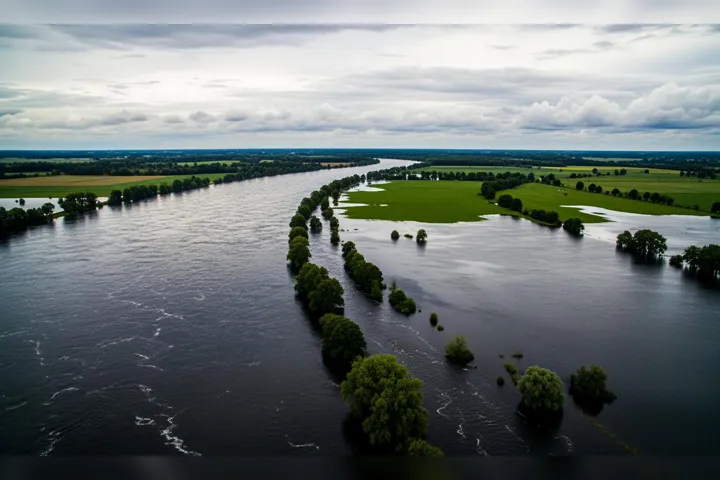
Washington state is bracing for severe flooding as an atmospheric river brings record-breaking rainfall to the region. The National Weather Service has issued warnings for potential catastrophic flooding, particularly along the Skagit and Snohomish rivers. Governor Bob Ferguson has declared a statewide emergency, estimating that up to 100,000 residents may face evacuation orders. In Mount Vernon, a major agricultural area north of Seattle, officials have ordered evacuations within the river's floodplain. The Skagit River is expected to crest at record levels, surpassing previous highs and threatening to overtop flood defenses. The situation is exacerbated by landslides and road closures, with significant disruptions to transportation and infrastructure.
Why It's Important?
The flooding poses a significant threat to life and property in Washington state, with potential impacts on agriculture, local economies, and infrastructure. The Skagit River Valley, a key agricultural region, faces the risk of severe crop damage and economic loss. The flooding also highlights the increasing frequency and intensity of extreme weather events, which scientists attribute to climate change. This situation underscores the need for improved flood management and climate resilience strategies. The potential for levee breaches and landslides further complicates emergency response efforts, putting additional pressure on local authorities and emergency services.
What's Next?
Authorities are preparing for continued heavy rainfall and potential further flooding as another storm system is expected to bring more rain starting Sunday. Emergency services, including the Washington National Guard, are mobilizing to assist affected communities. Residents are being urged to heed evacuation orders and prepare for prolonged disruptions. The state will likely need to assess and repair damaged infrastructure and consider long-term measures to mitigate future flooding risks. The situation may prompt discussions on climate adaptation and infrastructure investment to better protect vulnerable areas.
Beyond the Headlines
The flooding in Washington state serves as a stark reminder of the broader impacts of climate change on weather patterns and community resilience. As extreme weather events become more common, there is a growing need for comprehensive climate adaptation strategies. This includes investing in infrastructure that can withstand such events and developing community-based resilience plans. The situation also raises questions about land use planning and the sustainability of current agricultural practices in flood-prone areas. Addressing these challenges will require coordinated efforts from government, industry, and civil society.
AI Generated Content
For the benefit of users - Parts of this article may include content generated using AI tools. Our teams are making active and commercially reasonable efforts to moderate all AI generated content. Our moderation processes are improving however our processes are carried out on a best-effort basis and may not be exhaustive in nature. We encourage our users to consume the content judiciously and rely on their own research for accuracy of facts. We maintain that all AI generated content on our platform is for entertainment purposes only. To know more about how we use AI, you can write to us at
Close AI Generated Content