Hurricane season peaks in September. FEMA says prepare now

September is National Preparedness Month, a national campaign that encourages families to prepare for emergencies and natural disasters before they happen.
Planning can reduce stress, save time, and help
families recover more quickly when disasters strike.
More: Hurricane season nears peak as inland storm risks persist
Natural disasters such as hurricanes, tornadoes, wildfires and extreme heat can cause significant damage and threaten lives.
Climate change is making hurricanes wetter, more flood-prone and more likely to become extremely intense, according to the Geophysical Fluid Dynamics Laboratory at the National Oceanic and Atmospheric Administration. Warmer ocean temperatures provide more energy for storms, warmer air can hold more moisture, and rising sea levels increase the risk of coastal flooding.
Hurricane season runs through Nov. 30, with peak activity typically occurring in September. The Federal Emergency Management Agency recommends knowing your risks, creating a family emergency plan, and assembling an emergency supply kit before a disaster occurs.
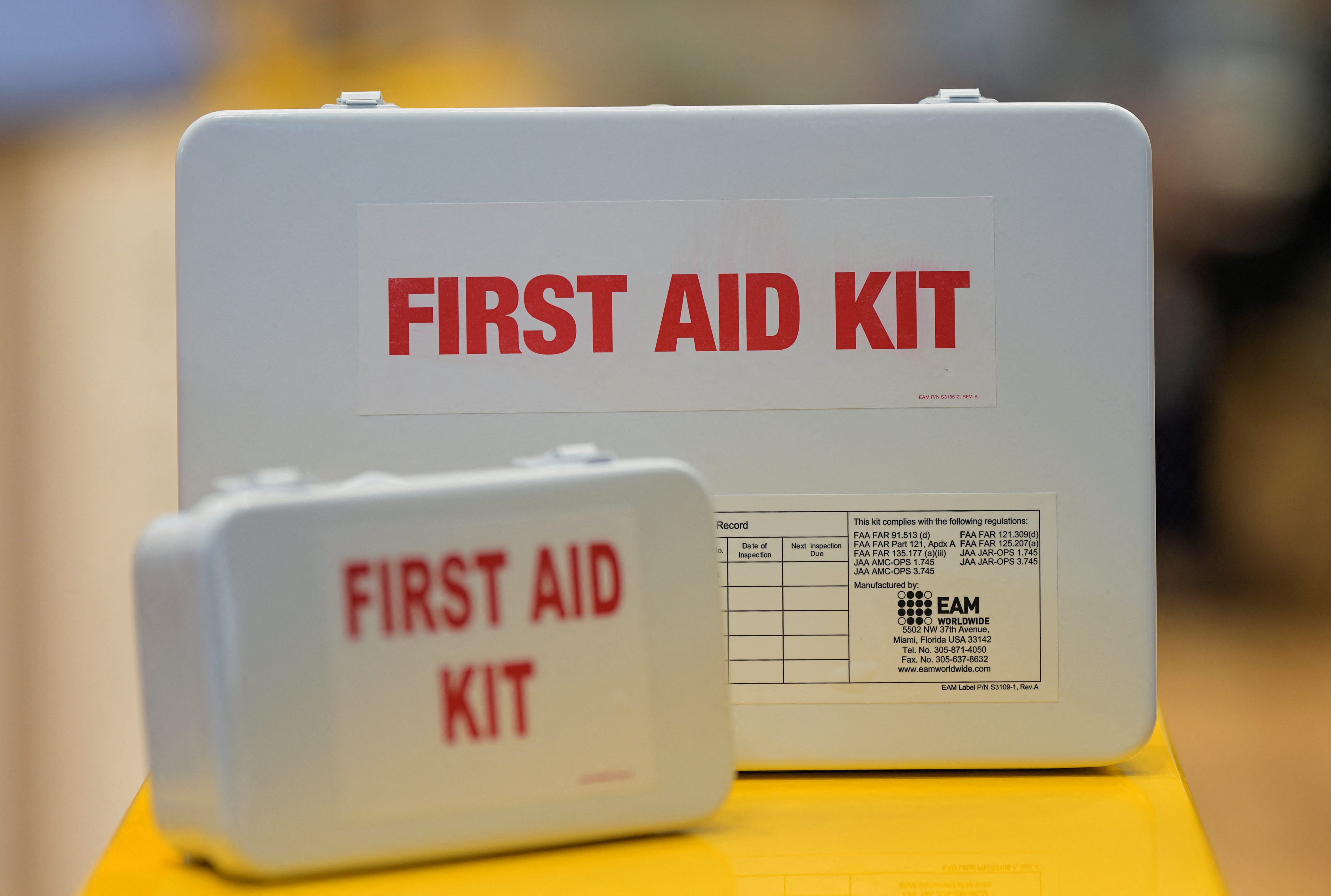
Emergency supplies to consider Small propane stove or outdoor grill for cooking Matches Eating utensils Candles Blankets Batteries Flashlights Extra clothing Canned food First aid kit Questions to discuss with your family
Experts with FEMA recommend talking through these questions before an emergency:
How will I receive emergency alerts and warnings? What is my shelter plan? What is my evacuation route? What is my family or household communication plan? Do I need to update my emergency preparedness kit? Helping children cope after a disaster
For families with children, the National Association of School Psychologists recommends the following strategies after a natural disaster:
Remain calm and reassuring. Acknowledge and normalize children's feelings. Encourage children to talk about disaster-related experiences. Promote healthy coping and problem-solving skills. Emphasize children's resilience. Strengthen friendships and peer support. Take care of your own needs and avoid using alcohol or drugs to cope.
What should be in an emergency kit? Water, a gallon per person per day for several days, for drinking and sanitation Food, including at least several days' worth of nonperishable items Battery-powered or hand-crank radio NOAA Weather Radio with tone alert Flashlight First aid kit Extra batteries Whistle to signal for help Dust mask to help filter contaminated air Plastic sheeting, scissors and duct tape for sheltering in place Moist towelettes, garbage bags and plastic ties for personal sanitation Wrench or pliers to turn off utilities Manual can opener Local maps Cellphone chargers and backup battery packs Consider your household's specific needs
When creating an emergency plan, FEMA recommends tailoring it to the needs of everyone in your home. Consider:
The ages of household members Responsibilities for assisting others Frequently visited locations Dietary requirements Medical needs, including prescriptions and equipment Disabilities or other access and functional needs Languages spoken in the household Cultural and religious considerations Pets or service animals School-aged children
This reporting content is supported by a partnership with Journalism Funding Partners.
Erica Van Buren is the climate change reporter for The Augusta Chronicle, part of the USA TODAY Network. Connect with her at EVanBuren@usatodayco.com or on X: @EricaVanBuren32.