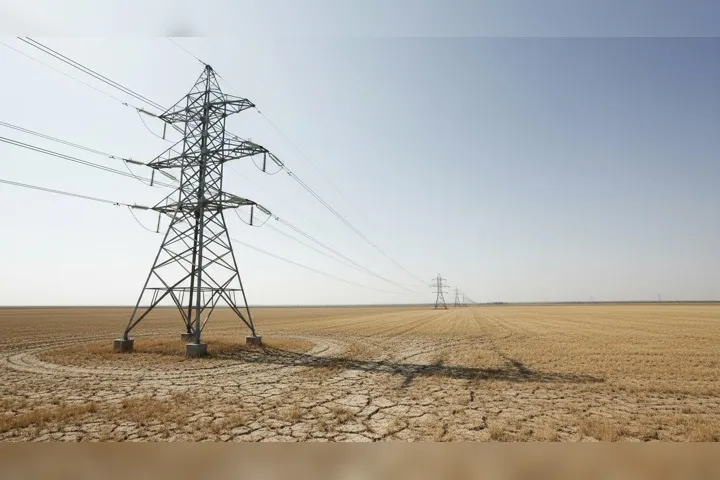
U.S. Department of Energy Declares Emergency Amid Heat Wave Threatening Electrical Grid

What's Happening?
The U.S. Department of Energy has declared an emergency due to a severe heat wave impacting a significant portion of the nation's electrical grid. Secretary of Energy Chris Wright issued an Energy Emergency Alert, directing PJM Interconnections, the largest electrical grid in the Mid-Atlantic region, to take measures to prevent blackouts and ensure essential services, such as hospitals, remain operational. The heat wave is affecting 160 million people across 30 states, with temperatures expected to reach record highs in major cities like New York City, Philadelphia, and Washington, D.C. PJM, which supplies power to approximately 65 million customers, is forecasting a peak electricity demand that could surpass previous records. The New York Independent System Operator and the Midcontinent Independent System Operator are also anticipating near-record electricity demands.
Why It's Important?
This emergency declaration highlights the vulnerability of the U.S. electrical grid to extreme weather conditions, particularly during peak demand periods. The heat wave coincides with the Fourth of July holiday, a time when residential electricity use typically spikes due to increased air conditioning needs. The situation underscores the challenges of maintaining grid reliability and the potential for rolling blackouts if demand exceeds supply. This event could prompt discussions on the need for infrastructure improvements and investments in renewable energy sources to enhance grid resilience. The strain on the grid also raises concerns about the impact on businesses and public services, which rely heavily on uninterrupted power supply.
What's Next?
In response to the emergency, PJM and other grid operators are likely to implement energy conservation measures, such as curtailing power to non-essential facilities and encouraging consumers to reduce electricity use. Utilities may resort to rolling blackouts in localized areas to manage demand. The Department of Energy and grid operators will continue to monitor the situation closely, with the emergency alert in effect until the heat wave subsides. This event may lead to increased scrutiny of energy policies and infrastructure, potentially influencing future regulatory and investment decisions aimed at improving grid reliability and sustainability.
AI Generated Content
For the benefit of users - Parts of this article may include content generated using AI tools. Our teams are making active and commercially reasonable efforts to moderate all AI generated content. Our moderation processes are improving however our processes are carried out on a best-effort basis and may not be exhaustive in nature. We encourage our users to consume the content judiciously and rely on their own research for accuracy of facts. We maintain that all AI generated content on our platform is for entertainment purposes only. To know more about how we use AI, you can write to us at
Close AI Generated Content