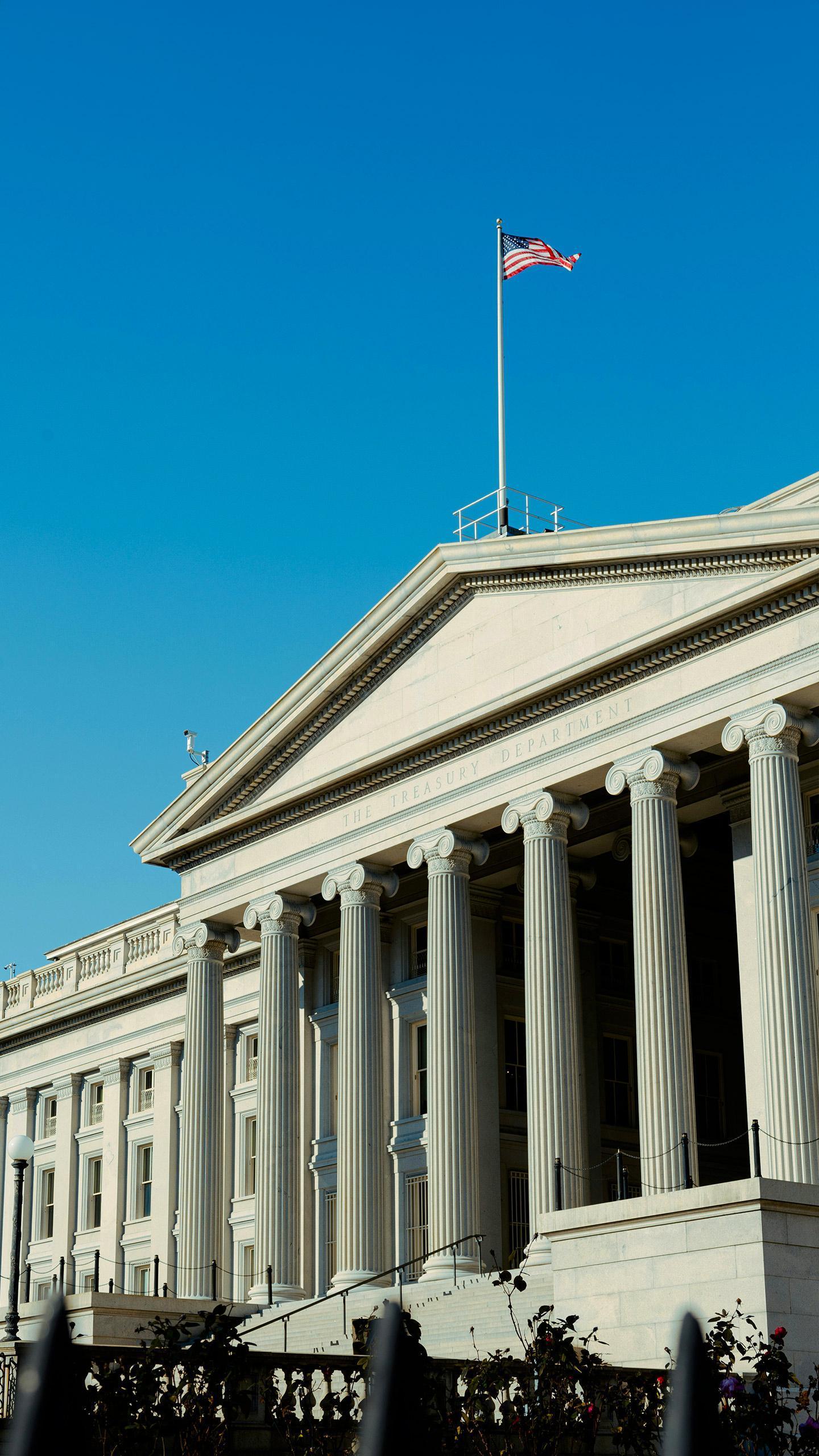
US Treasury Sanctions Eight Canadian Firms Over Alleged Iran Sanctions Evasion and Drug Trafficking Ties

What's Happening?
The United States Treasury Department has imposed sanctions on eight Canadian currency-exchange businesses, accusing them of facilitating transactions for sanctioned Iranian entities and engaging in money
laundering. These measures are part of the Treasury's 'Operation Economic Outcast,' aimed at disrupting financial networks supporting the Iranian regime. The sanctioned firms, located in Ontario and British Columbia, include Million Exchange, Amin Exchange, and Cryptoyal. According to US Treasury Secretary Scott Bessent, Canada should not serve as a safe haven for illicit financial facilitators aiding the Iranian regime and its proxies. The Treasury also stated that some of these businesses converted Iranian rials and other currencies into digital assets like cryptocurrency and assisted an alleged head of a drug trafficking ring. The Financial Transactions and Reports Analysis Centre of Canada (FINTRAC) confirmed its collaboration with the US Financial Crimes Enforcement Network (FinCEN) in this action, emphasizing ongoing international cooperation to combat money laundering, terrorist financing, and sanctions evasion.
Why It's Important?
These sanctions significantly impact the targeted Canadian firms by cutting them off from the US dollar-based financial system. This means any assets they hold in the United States are frozen, and they are prohibited from conducting transactions with American individuals or entities. The action underscores the US government's commitment to enforcing its sanctions regime against Iran, aiming to sever economic lifelines to the Iranian regime and the Islamic Revolutionary Guard Corps (IRGC). By targeting foreign entities that allegedly aid in sanctions evasion, the US seeks to deter other international businesses from engaging in similar activities. This move also highlights the increasing scrutiny on cryptocurrency transactions as a potential avenue for illicit financial activities, signaling a broader effort to regulate digital assets in the context of national security and financial crime prevention. The cooperation between US and Canadian financial intelligence units demonstrates a unified front against transnational financial crimes.
What's Next?
The immediate consequence for the sanctioned Canadian firms will be their inability to access the US financial system, likely leading to operational disruptions and potential legal challenges. The US Treasury is expected to continue its aggressive campaign against entities that facilitate sanctions evasion, particularly those linked to Iran. This could involve further sanctions against other international networks or individuals. The increased focus on cryptocurrency in these illicit financial activities suggests that regulatory bodies in both the US and Canada may intensify efforts to monitor and control digital asset transactions to prevent their misuse. Other countries may also face pressure from the US to enhance their financial oversight and cooperation in combating sanctions evasion, potentially leading to a broader international crackdown on such activities. The ongoing 'Operation Economic Outcast' indicates a sustained effort to apply economic pressure on Iran.
Beyond the Headlines
This action extends beyond immediate financial penalties, signaling a broader strategic effort by the US to exert economic pressure on Iran and its proxies. The inclusion of cryptocurrency in the alleged money laundering schemes highlights an evolving challenge for financial regulators worldwide, as digital assets offer new avenues for illicit finance that traditional banking systems might not easily detect. This development could accelerate international discussions and collaborations on regulating cryptocurrencies to prevent their use in sanctions evasion, drug trafficking, and terrorist financing. Furthermore, the sanctions could strain diplomatic relations between the US and Canada if not managed carefully, although the stated cooperation between FINTRAC and FinCEN suggests a coordinated approach. The US Treasury's assertive stance also sends a strong message to other nations and financial institutions about the risks of engaging with sanctioned entities, potentially leading to a more cautious global financial landscape regarding transactions involving high-risk jurisdictions.